Washington, D.C. — The massive capacity void left by Yellow Corporation's August bankruptcy has triggered a sweeping realignment across the less-than-truckload sector, with up to half of the failed giant's former freight landing outside the industry's top ten largest providers. Market intelligence from Goldman Sachs highlights that smaller regional LTL carriers are absorbing a substantial share of these shipments, fundamentally changing how freight moves across the country and altering daily routes for CDL-A drivers nationwide. Even before Yellow officially folded its tent, shippers were already routing cargo away from the troubled giant, creating an immediate surge in volume for competing networks.
Regional players like Saia capitalized early on the shift, absorbing former Yellow customers who needed reliable alternatives. Meanwhile, unionized carriers such as ABF Freight and TForce Freight captured significant volume boosts as shippers prioritized union operations for their supply chains. Despite the temptation to chase every available dollar of revenue, major operators walked a fine line between expansion and service degradation. Old Dominion Freight Line President and CEO Kevin Freeman made it clear to investors during a July earnings call that the company would deliberately cap its intake to protect existing service standards, vowing not to wreck service quality by biting off more freight than the network could safely chew.
The shutdown of Yellow subsidiaries New Penn and Reddaway dealt a severe blow to multi-vendor freight consolidation, eliminating key infrastructure that independent shippers and freight consolidators relied on daily. United Shippers Alliance Executive Director Gene Graves noted that shippers are increasingly turning to truckload alternatives, particularly for long-haul lanes moving shipments from the Midwest out to California. Third-quarter financial disclosures continue to expose exactly which logistics networks absorbed the heaviest freight burdens during the market scramble.
What This Means for Drivers
For independent owner-operators and company drivers, the post-Yellow market translates into heavier freight density, altered terminal workflows, and a surge in regional and long-haul demand. Fleets scrambling to cover former Yellow lanes are actively posting positions for OTR truck driver assignments and regional runs as shipping volumes stabilize across alternative networks. Drivers should expect tighter turnaround times at hub terminals as operations adjust to handle redistributed freight without sacrificing transit reliability.
Industry Reaction
The sudden vaporization of Yellow's massive terminal network caught many shippers flat-footed, forcing supply chain managers to scramble for mid-tier carriers capable of handling consolidated loads. While legacy giants exercised discipline to protect their operating ratios, regional carriers seized the moment to expand their footprint and prove their capacity on major interstate corridors.
Key Points
- Goldman Sachs research shows up to 50% of Yellow's former freight moved to carriers outside the top 10 LTL providers.
- Old Dominion leadership publicly committed to turning down excess freight rather than compromising existing service levels.
- The closure of Yellow subsidiaries New Penn and Reddaway severely disrupted established freight consolidation networks.
- Midwest-to-California lanes saw increased truckload activity as shippers sought alternatives to traditional LTL consolidation.
Looking for a better trucking job? US Trucker's free job-matching service connects CDL-A drivers, OTR drivers, regional drivers, and owner-operators with 500+ top US carriers. Leave your details in the form on this page and a recruiter will call you within one business day. Trucking companies are hiring now.
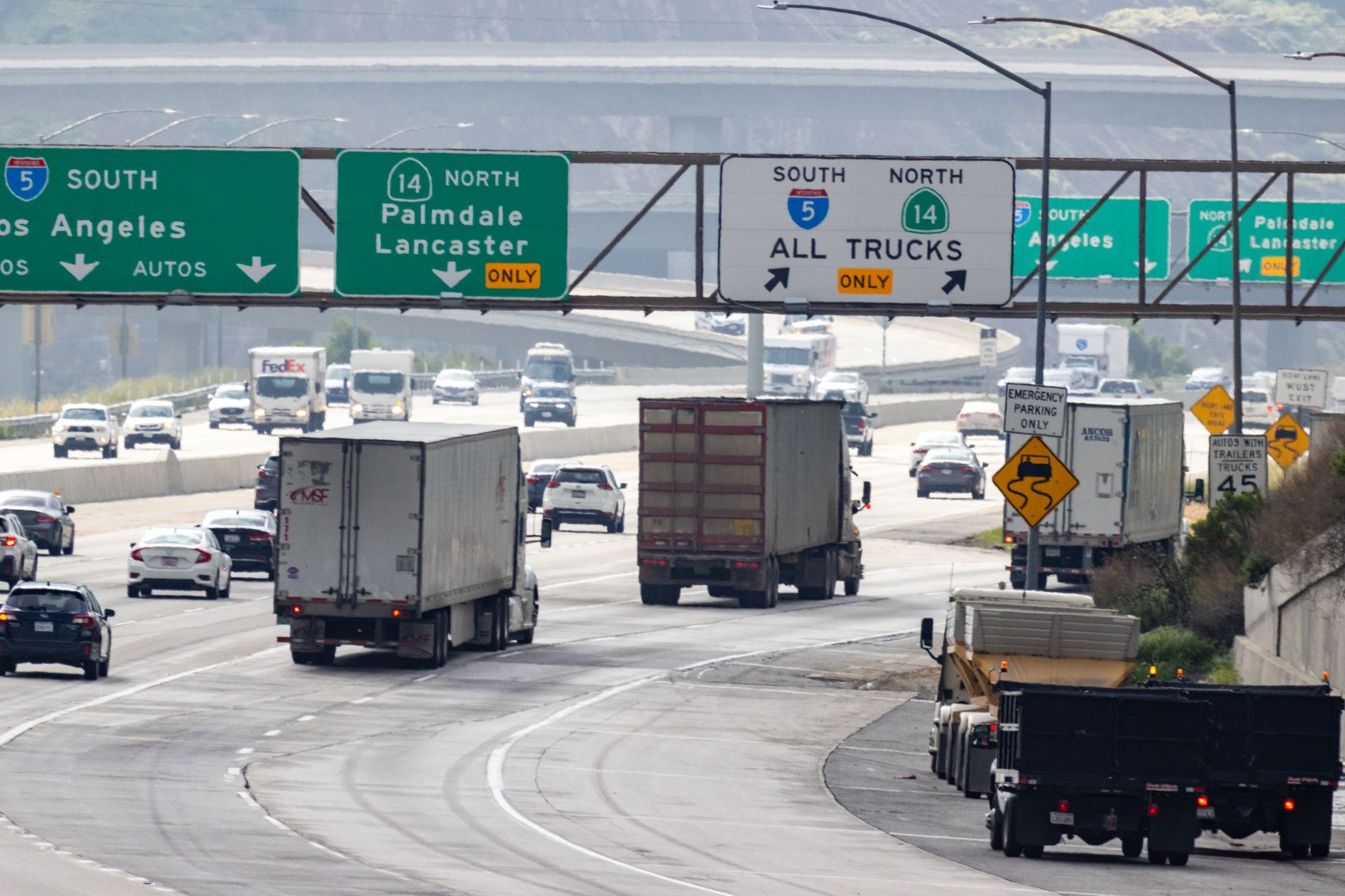
Photo by David Brown on Pexels