Duluth, Minnesota — Navigating commercial freight through the Upper Midwest during winter demands strict adherence to dynamic route planning and vehicle preparation. Minnesota, Wisconsin, and Michigan regularly subject freight operations to heavy snowfall, fierce winds, and sudden ice formation that can jeopardize delivery schedules. Northern Wisconsin locations near Lake Superior record average annual snowfalls reaching 200 inches, while southern regions average closer to 40 inches. CDL-A drivers and fleet managers must treat winter transit through this corridor with specialized tactical precision.
State safety data underscores the severity of regional winter hazards. In Michigan, nearly 10 percent of all reported traffic collisions involve snow, ice, or slush, with roughly 8 percent of injury crashes occurring under identical conditions. Wisconsin Department of Transportation records show that 35 to 40 distinct winter weather events impact the state every single season. Snow totals in Iron County alone range from a baseline of 19 inches to more than 140 inches, forcing carriers to maintain adaptable dispatch schedules.
Minnesota operations face comparable volatility, where statewide average snowfall fluctuates between 20 inches during mild winters and more than 90 inches during severe seasons. Maintenance costs for state salt and sand spike dramatically during major storms. State transportation departments deploy specific travel advisories to manage these risks, utilizing live 511 tracking systems that commercial drivers rely on. Michigan authorities maintain strict safety campaigns because winter weather contributes to more than 30,000 seasonal crashes, including nearly 60 fatal incidents annually.
What This Means for Drivers
Owner-operators and company drivers hauling freight across I-94, I-75, and US-41 must prioritize pre-trip equipment checks, including winter-rated tires with proper tread depth and operational fluid systems capable of withstanding extreme cold. Federal and state requirements mandate that trucks operating in snow-drift-prone zones like the Upper Peninsula carry approved traction chains. Operating safely requires reducing speed by 30 to 40 percent on slick pavement, extending following distances to allow for longer stopping distances, and using lower gears to manage steep grades without over-relying on foundation brakes.
Industry Reaction
Regional trucking companies hiring for winter routes emphasize that schedule flexibility remains the single greatest defense against preventable accidents. Dispatchers and logistics coordinators must build wider transit windows into customer contracts, ensuring that OTR truck drivers never feel pressured by shippers to push through impassable roads or zero-visibility ground blizzards. Adhering to state-specific mandates, such as Michigan's mandatory distance laws behind active snowplows, protects both commercial operators and state highway maintenance crews.
Key Points
- Northern Wisconsin areas near Lake Superior average up to 200 inches of annual snowfall, demanding specialized winter equipment.
- Michigan crash data reveals that nearly 10 percent of all traffic collisions occur on snow-, ice-, or slush-covered roadways.
- State 511 systems provide real-time updates on lane coverage and travel advisories critical for safe route planning.
- Commercial drivers must reduce speeds by 30 to 40 percent on slick pavement to compensate for extended stopping distances.
Looking for a better trucking job? US Trucker's free job-matching service connects CDL-A drivers, OTR drivers, regional drivers, and owner-operators with 500+ top US carriers. Leave your details in the form on this page and a recruiter will call you within one business day. Trucking companies are hiring now.
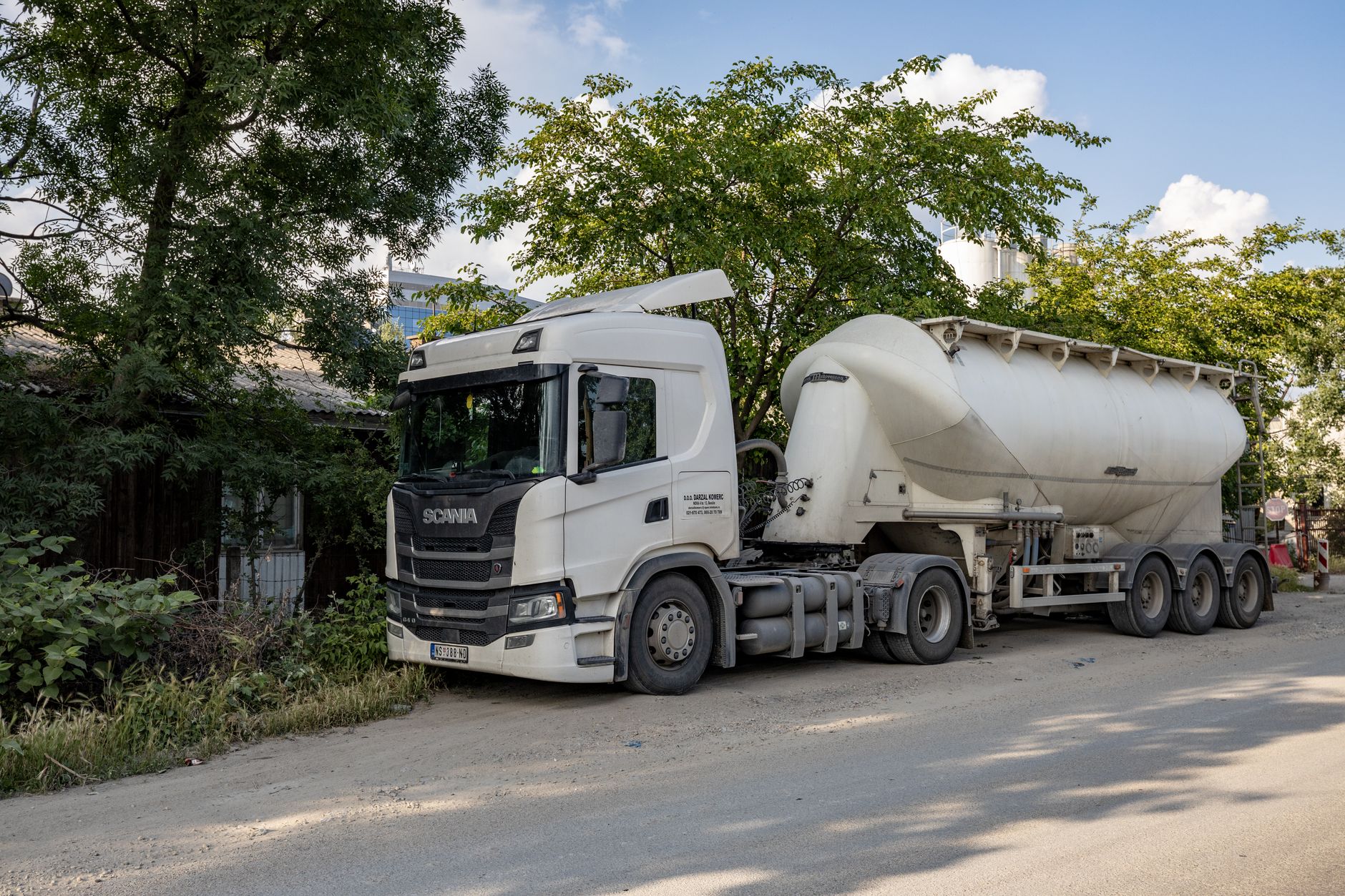
Photo by Boris Hamer on Pexels