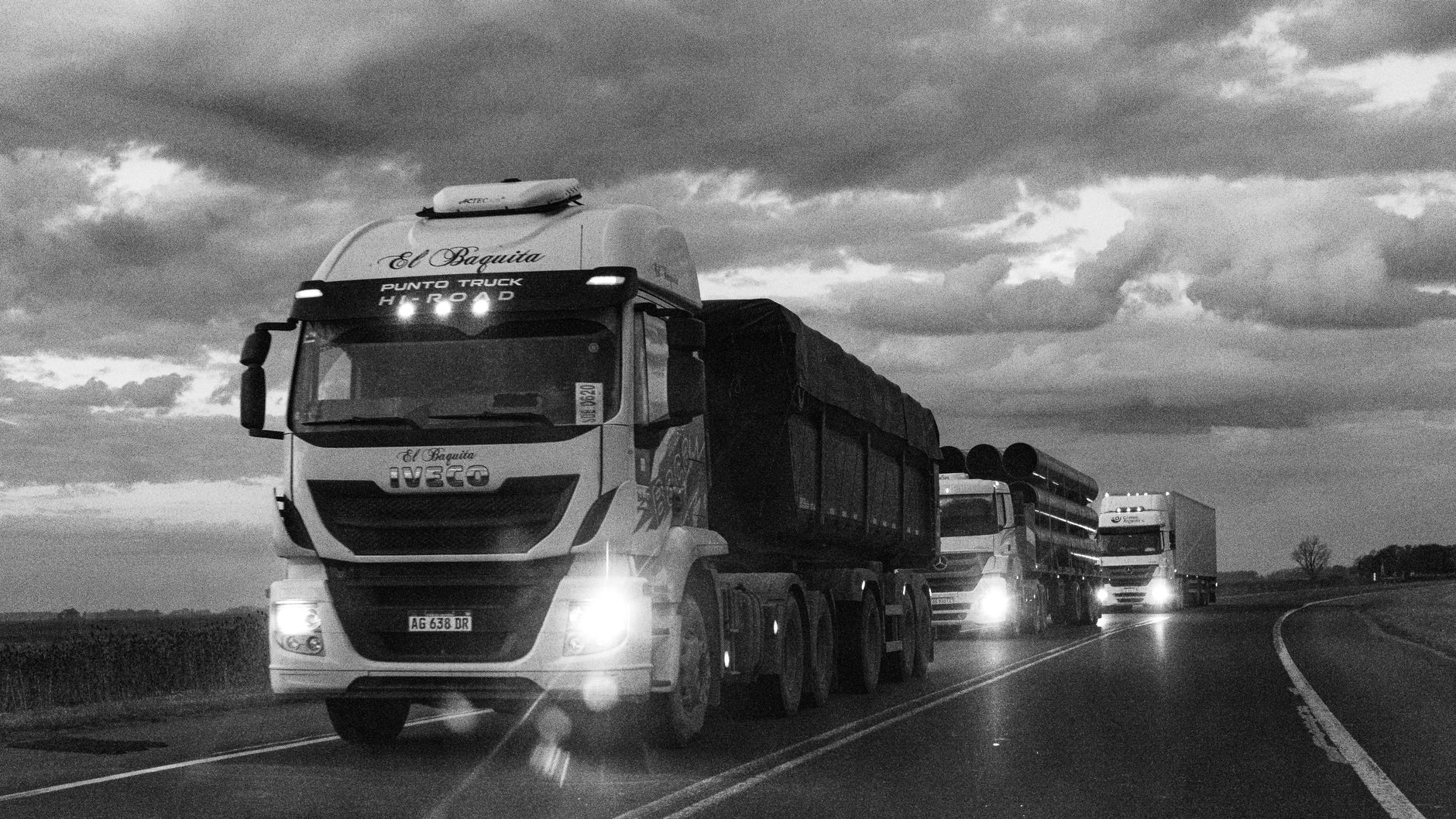
Washington, D.C. — The long-standing narrative of a severe driver shortage in the American trucking sector requires a closer examination of the underlying data. While carriers frequently cite a lack of available personnel as the primary cause for rising freight costs and delivery delays, a growing number of industry analysts contend that the core issue is a deficit of qualified candidates rather than a total absence of drivers. This distinction shifts the focus from simple headcount numbers to the complex hurdles faced by prospective hires.
The barrier to entry in the commercial motor vehicle industry remains high. Many individuals who express interest in driving trucks are unable to meet the stringent prerequisites mandated by federal and state authorities. Obtaining a Commercial Driver’s License (CDL) is a significant administrative and financial hurdle, compounded by the necessity of passing rigorous drug and alcohol testing programs. These regulatory requirements, while essential for safety, filter out a substantial portion of the potential workforce before they can even apply for a position. The result is a pool of available candidates that is far smaller than the general population of people interested in the profession.
Beyond licensing, the internal hiring standards of major carriers further restrict the talent pool. Many trucking companies maintain strict experience requirements, often demanding years of OTR (over-the-road) mileage or specific class of vehicle endorsements. This practice excludes newer drivers who might be highly capable but lack the specific resume entries that corporate HR departments require. Consequently, the industry faces a high turnover rate, as existing drivers leave due to long hours, stagnant wages, and insufficient benefits. This creates a perpetual cycle of recruiting and training that drains resources from fleets and leaves many positions vacant for extended periods.
What This Means for Drivers
For current CDL-A holders, the shortage of qualified applicants often translates into better negotiating power with carriers. Trucking companies hiring in this environment are increasingly willing to offer sign-on bonuses and higher weekly pay rates to secure reliable talent. Owner-operators may also find that brokers are more flexible with load assignments to keep their vehicles moving. However, the pressure on drivers to maintain strict compliance with FMCSA regulations remains intense, as any violation can result in immediate termination in a market where carriers are struggling to find replacements. Regional drivers might see an uptick in demand as fleets try to fill local routes with more stable personnel, offering a potential alternative for those seeking better work-life balance.
Industry Reaction
Experts suggest that the solution lies in re-evaluating how the industry approaches recruitment and retention. Rather than simply chasing new applicants, carriers are being urged to improve the overall work environment. This includes implementing more flexible scheduling options and enhancing benefits packages to make the profession more attractive. Some industry voices advocate for loosening experience requirements and investing in training programs for candidates who show potential but do not yet meet every rigid criterion. By widening the net for recruitment and focusing on long-term retention, the sector can address the root causes of the labor gap. Embracing technology, such as advanced logistics software and automation tools, is also seen as a critical step to reduce driver workload and improve safety.
Key Points
- The driver shortage is primarily a shortage of qualified candidates who meet CDL and testing requirements.
- Strict experience requirements at many carriers artificially narrow the available talent pool.
- High turnover driven by low pay and long hours forces carriers into costly, repetitive training cycles.
- Improving retention through better benefits and flexible schedules is more effective than purely increasing recruitment efforts.
Looking for a better trucking job? US Trucker's free job-matching service connects CDL-A drivers, OTR drivers, regional drivers, and owner-operators with 500+ top US carriers. Leave your details in the form on this page and a recruiter will call you within one business day. Trucking companies are hiring now.
Photo by Alex Dos Santos on Pexels