WASHINGTON, D.C. — The Biden administration is currently evaluating the feasibility of capping gasoline and diesel exports in a bid to stabilize domestic fuel supplies and curb rising costs at the pump. This move comes as federal officials scramble to address persistent supply chain bottlenecks that have disproportionately impacted the transportation industry and the bottom line for every OTR truck driver on the road today.
High fuel costs remain the primary driver of inflation for the trucking sector, directly cutting into the profit margins of every owner-operator. While the White House suggests that restricting exports could keep more product within U.S. borders, the proposal faces significant geopolitical headwinds. The U.S. is currently committed to ensuring energy security for European allies amid the ongoing conflict in Ukraine, and an export ban risks straining these vital international partnerships. Energy Secretary Jennifer Granholm was previously tasked by the President to convene with domestic oil refiners to demand concrete strategies for increasing refining capacity and bolstering inventory levels.
Market analysts remain skeptical that export limitations will provide any long-term relief for diesel prices. Many experts suggest that the underlying issue is a lack of domestic refining infrastructure rather than the volume of fuel being shipped overseas. With the industry still reeling from volatile energy markets, the tension between maintaining international commitments and securing affordable fuel for domestic logistics remains a central point of contention for policy makers and industry stakeholders alike.
What This Means for Drivers
For the average CDL-A driver, fuel surcharges continue to be a necessary but volatile component of daily operations. If the government proceeds with export restrictions, there is no guarantee that diesel prices will drop, leaving many owner-operators to shoulder the burden of pump volatility alone. Drivers looking to maintain their earnings in this environment should closely monitor fuel card programs and route planning to mitigate the impact of fluctuating diesel costs. Carriers are feeling the squeeze on margins, which can influence freight rates and overall demand across the supply chain.
Industry Reaction
The broader trucking industry has expressed concern over any government intervention that could lead to unintended market consequences. While relief at the pump is a top priority for all professionals in the industry, there is a widespread belief that increased domestic production and refining efficiency are the only sustainable paths forward. Industry groups continue to lobby for policies that prioritize the stability of the domestic supply chain, ensuring that the trucks keeping the American economy moving are not sidelined by artificial market constraints.
Key Points
- The White House is evaluating potential caps on gasoline and diesel exports to manage domestic inventory.
- Geopolitical commitments to European allies complicate the potential for a total export ban.
- Energy Secretary Jennifer Granholm has met with refinery leadership to demand concrete solutions for capacity issues.
- Industry analysts warn that export limits are unlikely to provide a permanent fix for high fuel prices.
Looking for a better trucking job? US Trucker's free job-matching service connects CDL-A drivers, OTR drivers, regional drivers, and owner-operators with 500+ top US carriers. Leave your details in the form on this page and a recruiter will call you within one business day. Trucking companies are hiring now.
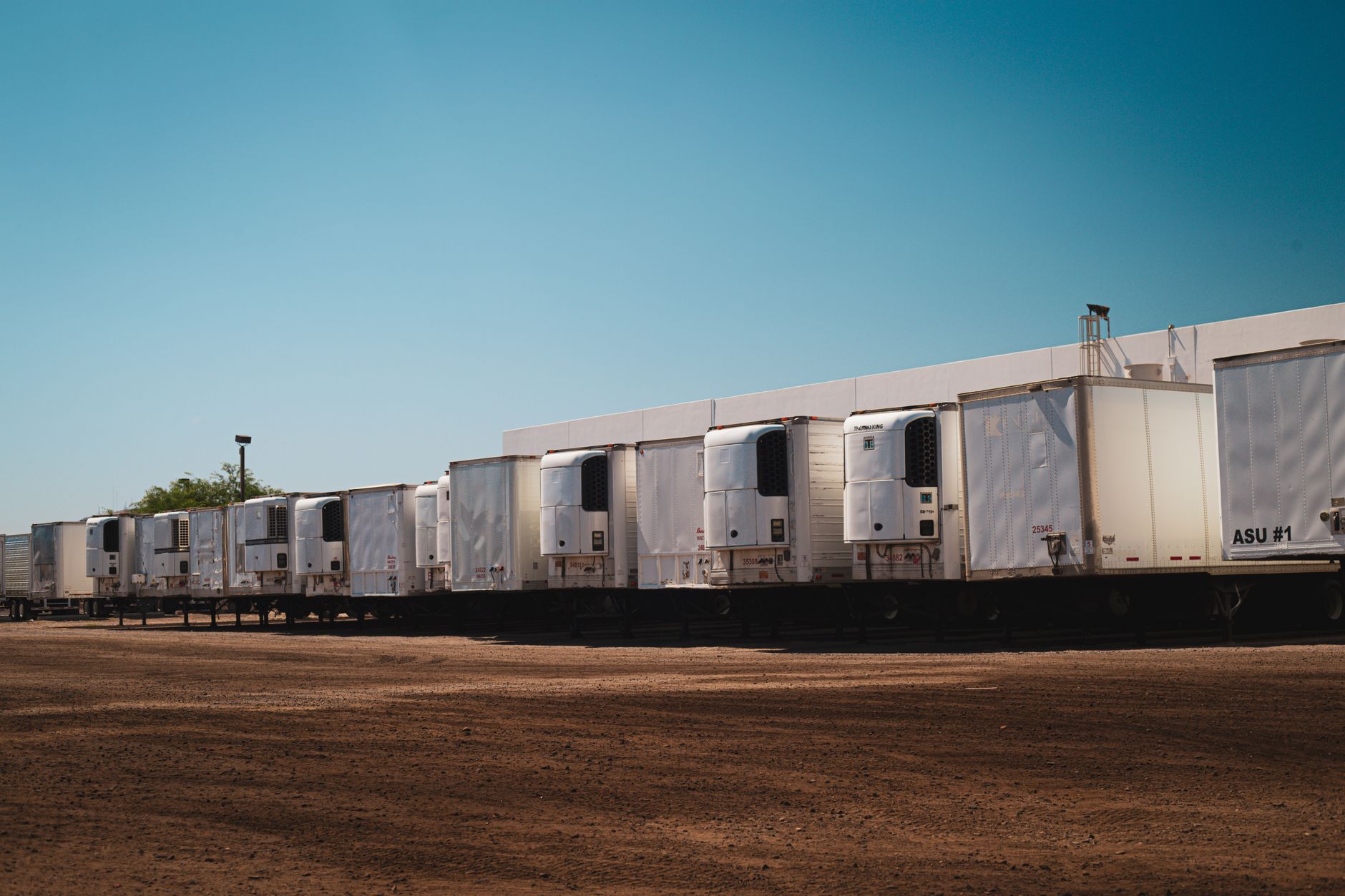
Photo by Tom Jackson on Pexels