Washington, D.C. — The White House today announced a comprehensive Truck Action Plan aimed at tackling the nationwide driver shortage and supply chain disruptions caused by the COVID-19 pandemic. The initiative, unveiled on September 10, 2026, signals a federal push to bring more truck driver jobs into the market and support the backbone of the U.S. economy.
Trucking has long been the circulatory system of American commerce, moving raw materials, finished goods, and essential supplies across 48 states. The pandemic exposed the fragility of that system, as shortages of freight capacity and driver labor pushed prices higher and left many regions dependent on delayed shipments. In a statement, the White House noted that “America’s truck drivers have been on the frontlines of this pandemic, delivering goods to every corner of this country.” The new plan seeks to reverse the trend of declining driver numbers and ensure that freight can flow smoothly through the nation’s supply chain.
The Truck Action Plan will provide federal resources to states to streamline the commercial driver’s license (CDL) application process, expand registered apprenticeship programs, and increase veteran recruitment. By cutting red tape in the licensing process, the plan aims to reduce the time it takes a CDL‑A holder to obtain a commercial license from the current average of 90 days to less than 45 days. Apprenticeship expansions will allow more aspiring OTR truck drivers to earn a wage while completing training, and veteran recruitment efforts will tap a proven pool of disciplined, experienced drivers who already possess the discipline and safety mindset that the industry demands. The plan also calls for coordination with the FMCSA to ensure that new licensing and training standards meet federal safety regulations.
What This Means for Drivers
For CDL‑A holders, the proposed licensing streamlines mean quicker entry into the job market, potentially shortening the waiting period for fleet managers looking to fill open routes. Owner‑operators can anticipate a broader talent pipeline, reducing the need to source drivers from outside the region and allowing them to maintain full control over their operations. OTR truck drivers and regional carriers will see an increase in qualified applicants, which could translate into better pay and more consistent scheduling as freight flows return to pre‑pandemic levels.
Industry Reaction
Carriers across the country have welcomed the initiative, noting that a larger, better‑trained driver workforce will ease congestion on major interstates and reduce the backlog of freight in distribution centers. The American Trucking Associations (ATA) spokesperson said, “This plan addresses the core of the driver shortage and aligns with our long‑term goal of a safer, more efficient trucking industry.” However, some small fleets caution that the success of the plan will hinge on timely funding and clear implementation timelines from state agencies.
Key Points
- The White House unveils a Truck Action Plan to address driver shortage and supply chain issues.
- The plan focuses on speeding up the CDL licensing process, expanding apprenticeship programs, and recruiting veterans.
- Federal resources will be directed to state agencies to implement these changes.
- The initiative aims to restore freight flow and support the nation’s economic recovery.
Looking for a better trucking job? US Trucker's free job‑matching service connects CDL‑A drivers, OTR truck drivers, regional drivers, and owner‑operators with 500+ top US carriers. Leave your details in the form on this page and a recruiter will call you within one business day. Trucking companies are hiring now.
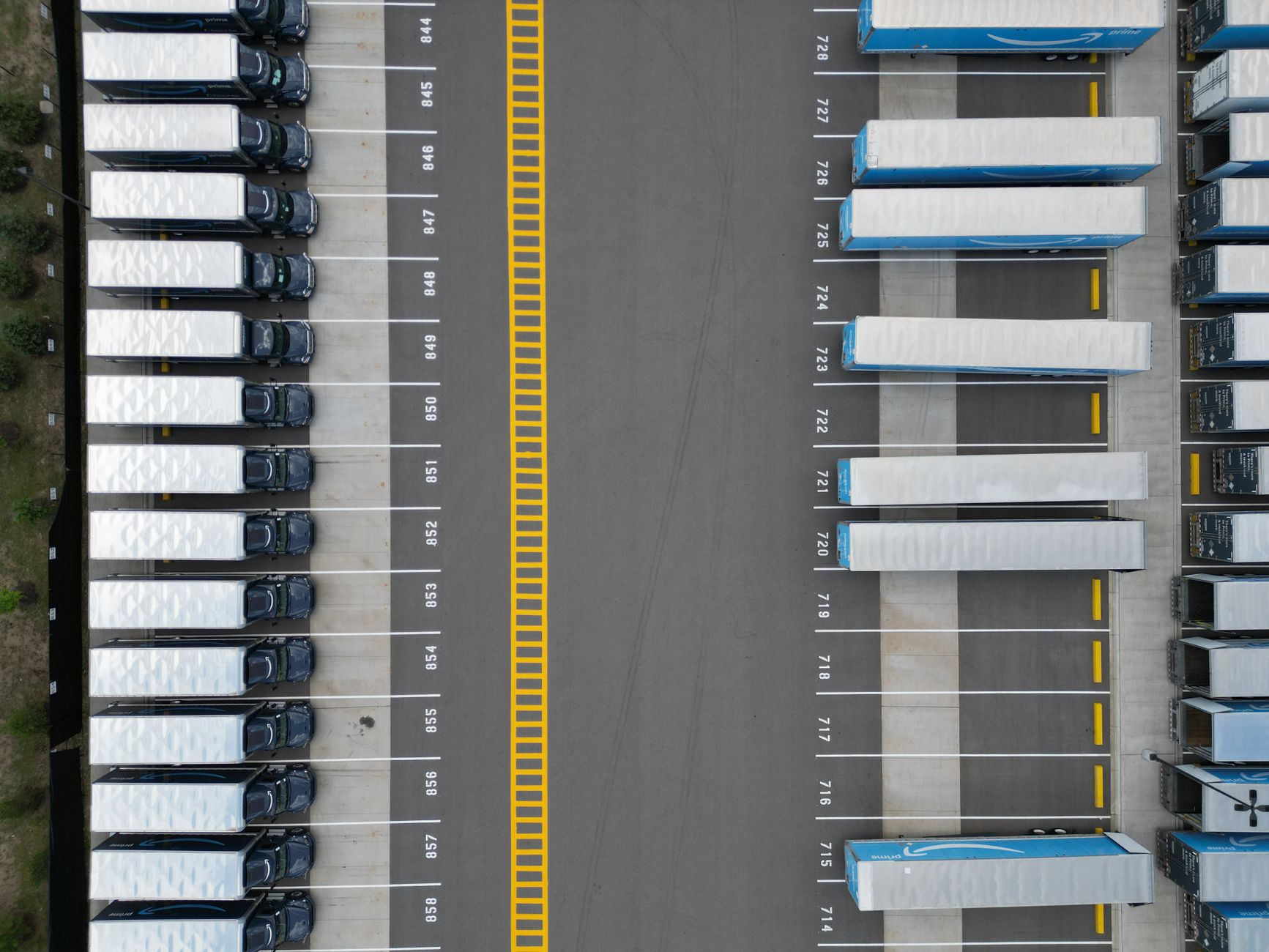
Photo by Giant Asparagus on Pexels