LOUISVILLE, Kentucky — Professional truck drivers across the country know that preventive upkeep is the single biggest factor keeping their rigs safe and efficient on interstate highways. When US Trucker recently polled members of the Truck Drivers USA community to find out what keeps their trucks out of the repair bay, seasoned CDL-A drivers pointed straight to foundational mechanical habits that many rookies overlook. From aggressive lubrication schedules to meticulous walk-arounds, these real-world maintenance standards separate profitable owner-operators from drivers facing massive repair bills.
Veterans agree that maintaining commercial equipment demands constant vigilance rather than waiting for scheduled preventive maintenance intervals. Kevin Gothard and fellow community members stressed that proper greasing is not merely a routine chore but a primary diagnostic tool. Crawling under the rig to hit every grease point routinely reveals loose components, worn seals, and developing structural issues long before a standard PM service catches them. Drivers performing intermediate grease jobs protect expensive steering and suspension components from premature failure on rough interstate asphalt.
Tires and braking systems demand the same relentless attention from every OTR truck driver clocking long-haul miles. Dale Stpierre and Mike Kulka emphasize that checking tire pressure and inspecting casings and rims during every single stop prevents catastrophic blowouts at highway speeds. Alongside rubber maintenance, engine care remains entirely non-negotiable. Experienced operators like Cory Clark recommend sticking strictly to a 20,000 to 25,000-mile PM service window while refusing to cheap out on oil filters, ensuring powerplants survive the punishing demands of modern freight hauling.
What This Means for Drivers
Staying ahead of mechanical failures directly impacts the bottom line for independent owner-operators and company drivers alike. Ignoring simple daily habits like bleeding air tanks or failing to listen for subtle drivetrain changes can turn a minor fix into a multi-thousand-dollar tow bill and days of lost revenue. Savvy drivers make daily air tank bleeding a non-negotiable winter habit and periodically roll down the cab window to catch odd squeals or hums that engine noise masks from inside the sleeper berth.
Industry Reaction
Fleet safety managers and experienced drivers continually remind newcomers that proper troubleshooting always starts with the basics before jumping to expensive diagnostics. Industry veterans consistently advise rolling through easy fixes and thorough pre-trip inspections before calling mobile repair units or heading to the dealer shop. Establishing these disciplined shop habits ultimately protects driver CSA scores and keeps commercial rigs compliant with federal safety standards.
Key Points
- Regular grease applications expose hidden mechanical wear points before major failures occur.
- Tire pressure checks and rim inspections during every stop prevent dangerous highway blowouts.
- Engine preventive maintenance must happen strictly every 20,000 to 25,000 miles using quality filters.
- Daily air tank draining prevents moisture buildup and brake valve freezing during winter operations.
Looking for a better trucking job? US Trucker's free job-matching service connects CDL-A drivers, OTR drivers, regional drivers, and owner-operators with 500+ top US carriers. Leave your details in the form on this page and a recruiter will call you within one business day. Trucking companies are hiring now.
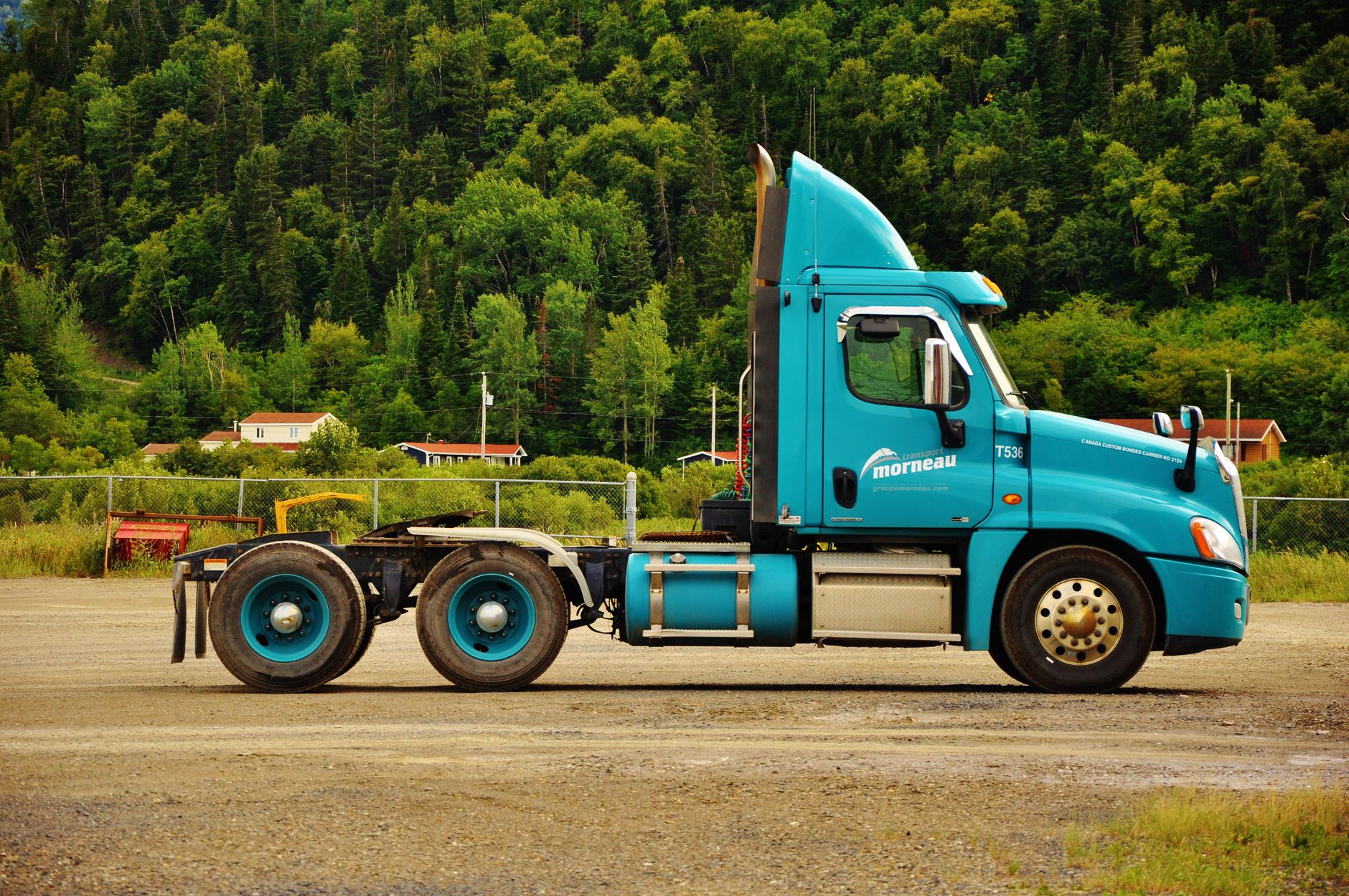
Photo by Yvon Gallant on Pexels