Vancouver, B.C. — The United Truckers Association (UTA) called off a scheduled work stoppage at the Port of Vancouver following emergency negotiations with port authorities and federal government representatives on July 30. The decision to postpone labor action for several weeks prevents an immediate shutdown at one of North America’s busiest container terminals, allowing the flow of goods to continue while new environmental standards are negotiated.
The dispute centered on the port’s implementation of the Rolling Truck Age Program, a policy designed to improve local air quality and protect community health by phasing out older diesel equipment. Union leaders argued that the existing framework was flawed and demanded a shift toward opacity level criteria for trucks. This alternative method would ground vehicles that produce thick, visible clouds of exhaust smoke, targeting immediate visual pollution rather than relying solely on vehicle age. While opacity testing effectively identifies heavy particulate matter and smoke output, it does not measure total greenhouse gas emissions, a distinction that remains a point of contention in the broader environmental debate.
Under the temporary agreement reached by UTA spokesman Ganan Singh, the port will enforce a strict vehicle age limit beginning September 15. Container-hauling trucks with model years older than 2006 will be prohibited from operating within the facility. This specific cutoff date provides a clear compliance deadline for any driver or fleet manager planning to haul cargo through the Vancouver terminal in the coming weeks.
What This Means for Drivers
For the OTR truck driver or local hauler operating in the Pacific Northwest, the September 15 deadline is a hard stop. Any vehicle on the road with a model year prior to 2006 will face immediate exclusion from the port, potentially resulting in lost revenue and legal penalties. Owner-operators must verify their equipment documentation and physical condition immediately to ensure they meet the new opacity and age standards. Fleet managers need to audit their entire rosters, as even a single non-compliant truck can disrupt a full shipping schedule. Drivers should also monitor the opacity performance of their engines, as visual smoke tests may become a routine part of entry inspections. This shift impacts not just the port but the broader supply chain, as carriers must ensure their CDL-A driver teams are aware of these specific regional restrictions.
Industry Reaction
The UTA’s willingness to delay action signals a pragmatic approach to a complex regulatory landscape. By securing a temporary agreement, the union has bought time for its members to adapt to the new technical criteria without suffering the financial ruin of a prolonged strike. Industry observers note that this negotiation highlights the growing tension between environmental mandates and operational reality in port logistics. Carriers are now focusing on how these localized rules might influence future FMCSA regulations or similar state-level initiatives in the United States. The dispute underscores the need for trucking companies hiring drivers to stay informed about regional equipment standards that can change with little warning.
Key Points
- UTA postponed labor action at the Port of Vancouver following talks on July 30.
- A temporary agreement replaces the Rolling Truck Age Program with opacity level criteria.
- Trucks with model years older than 2006 are banned from the port starting September 15.
- Opacity tests target visible exhaust smoke but do not measure greenhouse gases.
Looking for a better trucking job? US Trucker's free job-matching service connects CDL-A drivers, OTR drivers, regional drivers, and owner-operators with 500+ top US carriers. Leave your details in the form on this page and a recruiter will call you within one business day. Trucking companies are hiring now.
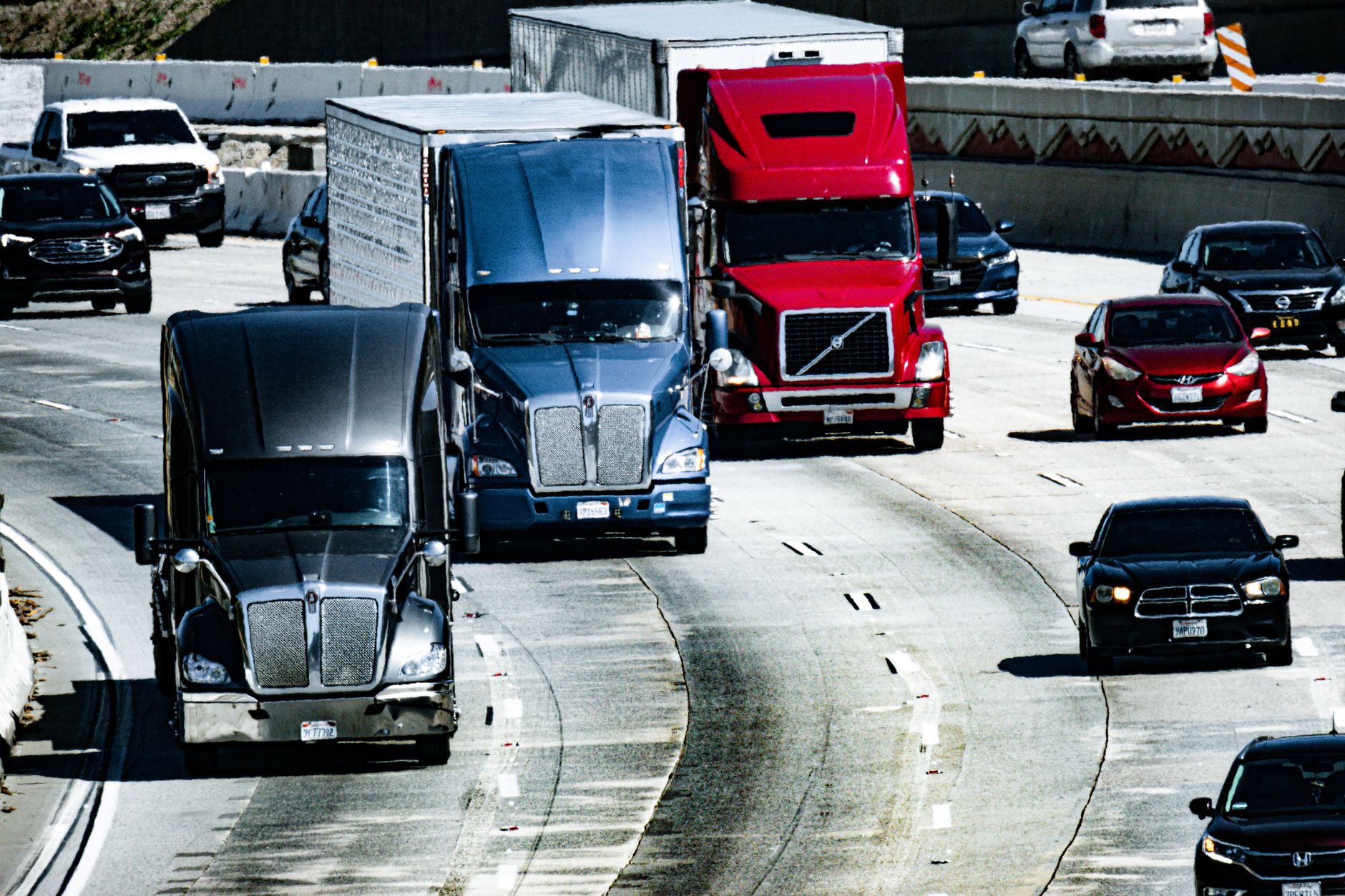
Photo by David Brown on Pexels