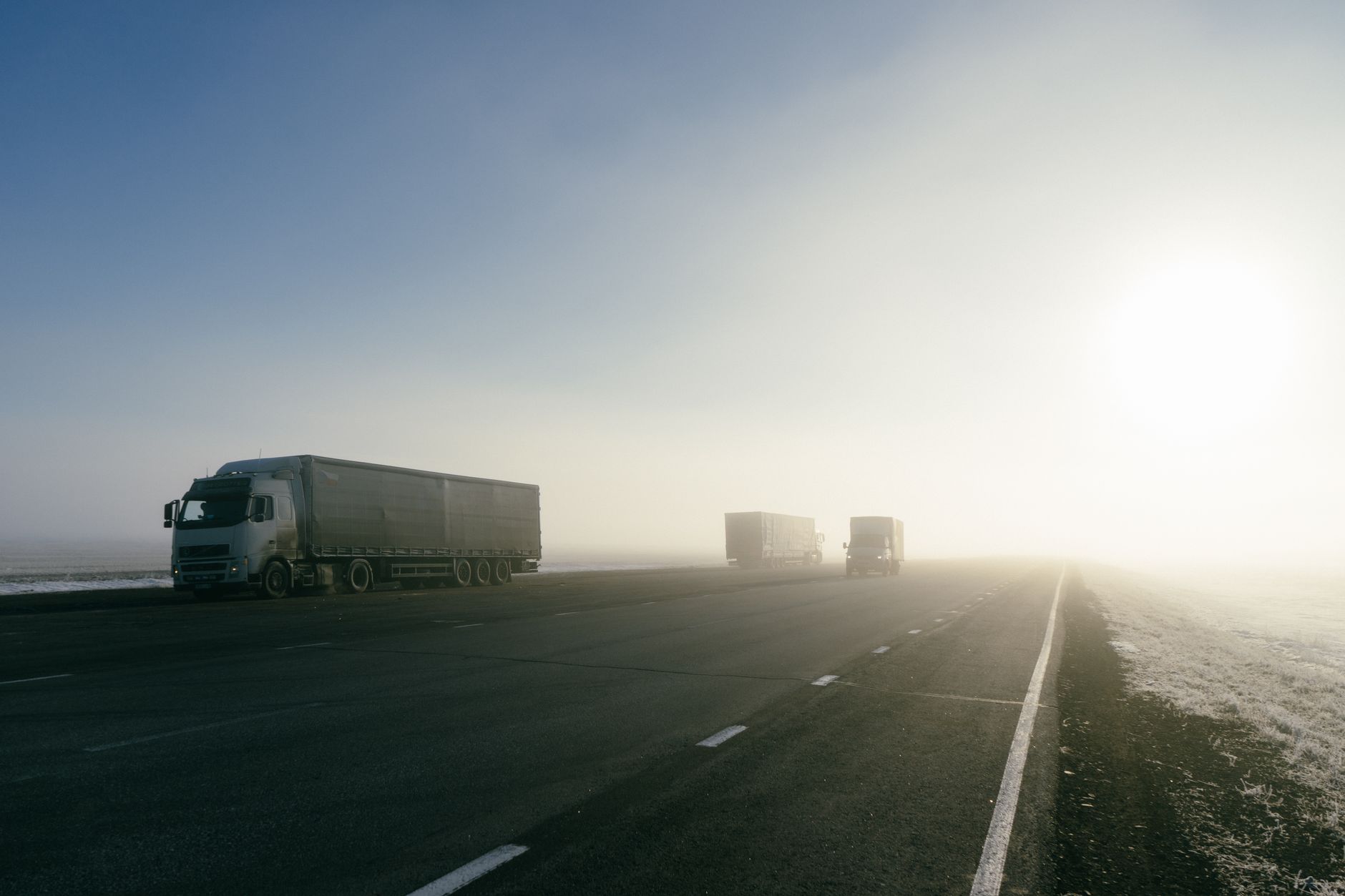
Washington, D.C. — Commercial motor vehicle operators are finally catching a break at the fuel island as national diesel prices slide for the ninth consecutive week. According to data released by the Energy Information Administration, the average cost for a gallon of highway diesel dropped to $3.658 as regional markets adjusted to shifting supply and demand fundamentals. This downward trajectory follows weeks of incremental drops, falling from $3.726 a week prior and $3.758 at the close of May, providing tangible breathing room for independent owner-operators and long-haul fleets operating on tight profit margins.
Fuel expenses remain one of the single largest variable costs for any truck driver or fleet manager operating a Class 8 semi. This prolonged downward trend hits at a critical time for the freight sector, helping to offset stagnant spot market rates and rising operational overhead. Regional disparities remain stark across the country. The Gulf Coast continues to offer the cheapest fuel in the nation at an average of $3.384 per gallon, while West Coast operators in California face the heaviest burden, paying an average of $4.911 per gallon. Meanwhile, drivers moving freight along the East Coast see averages hovering near $3.789 per gallon.
The EIA points to a combination of macroeconomic factors driving the fuel price correction. Total demand for distillate fuels, which power commercial trucks and home heating systems, has slumped to 3.67 million barrels per day. This softening demand stems largely from sluggish manufacturing output and a milder winter season than energy markets initially projected. At the same time, strong domestic supplies of renewable fuels have entered the market, adding downward pressure on petroleum diesel prices. Market indicators reflect this abundance, with recent ultra-low sulfur diesel futures contracts settling into the steepest contango market seen since 2020, meaning near-term spot prices sit significantly below future delivery contracts.
What This Means for Drivers
For an OTR truck driver running thousands of miles a week, dropping pump prices directly translate to lower per-mile operational costs. Independent owner-operators who bear 100 percent of their own fuel expenses will see an immediate improvement in their weekly net settlements. Fleet managers and dispatchers can also recalibrate line-haul cost models to price loads more competitively without sacrificing margin. While regional price spikes—particularly in California—still demand careful route planning, the broader downward trend helps protect bottom lines as the industry navigates fluctuating freight volumes.
Industry Reaction
While lower fuel costs are always welcomed behind the wheel, industry analysts emphasize that macroeconomic supply shifts remain unpredictable. Carriers and independent contractors are using this current window of relief to shore up cash reserves and service equipment rather than absorbing short-term savings as long-term profit. As trucking companies hiring CDL-A drivers continue to balance operating budgets against insurance hikes and maintenance expenses, cheap fuel provides a vital cushion during a challenging economic cycle.
Key Points
- National average diesel prices fell for nine consecutive weeks down to $3.658 per gallon.
- Regional prices vary wildly, with the Gulf Coast averaging $3.384 and California reaching $4.911 per gallon.
- Ultra-low sulfur diesel futures hit the steepest contango since 2020, signaling robust near-term supplies.
Looking for a better trucking job? US Trucker's free job-matching service connects CDL-A drivers, OTR drivers, regional drivers, and owner-operators with 500+ top US carriers. Leave your details in the form on this page and a recruiter will call you within one business day. Trucking companies are hiring now.
Photo by Daniil Ustinov on Pexels