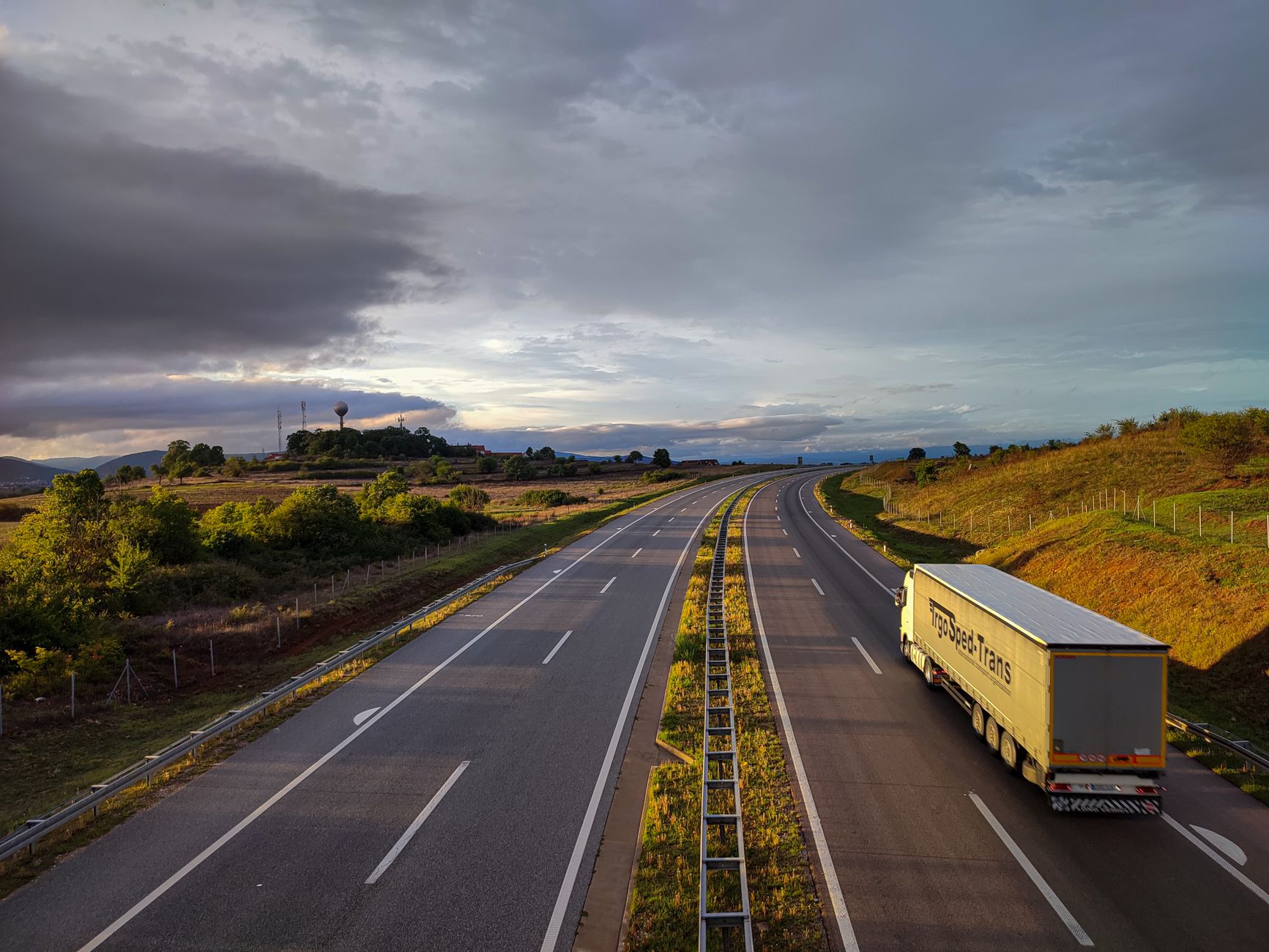
Tucson, Arizona — On April 6, a TuSimple‑equipped semi‑truck suddenly swerved left across I‑10, crashing into a concrete barricade, a move traced to a failed system reboot by the cab crew, according to a Wall Street Journal report and an internal TuSimple document.
Autonomous trucking has been touted as the next frontier for freight, promising fewer crashes and lower labor costs. Yet the industry has struggled to prove that self‑driving technology can match the vigilance of a human driver. TuSimple, a California‑based startup that began deploying its autonomous fleet on commercial routes in 2023, has faced a series of safety incidents that have rattled regulators and shippers alike.
The Tucson incident involved a rig that carried both a TuSimple driver and an engineer. Regulators later released a brief report stating that the company repeatedly blamed the accident on human error. An internal TuSimple file obtained by the Wall Street Journal revealed that the truck’s autonomous system had not been properly rebooted before activation, causing it to execute an outdated command that sent the vehicle wide of its lane and into a barricade.
Under FMCSA rules, all autonomous trucks must undergo rigorous testing and maintain a “human‑in‑the‑loop” safety protocol. The incident raises questions about whether TuSimple’s procedures meet those standards. The company’s oversight team is reportedly working with the Department of Transportation to review its reboot process and to strengthen the fail‑safe mechanisms that should prevent a vehicle from operating on stale instructions.
What This Means for Drivers
CDL‑A holders who work with autonomous fleets will need to stay alert for system malfunctions and be prepared to take control at a moment’s notice. Owner‑operators who lease or purchase TuSimple‑enabled rigs may face new training requirements that cover both software troubleshooting and emergency overrides. Fleet managers are being urged to revise standard operating procedures, adding a mandatory “system health check” before each trip and ensuring that every operator signs off on the reboot protocol.
Industry Reaction
Major carriers have expressed caution, with several shippers postponing contracts with autonomous vendors pending a clear demonstration of safety. The American Trucking Associations’ safety committee issued a statement urging all companies to adopt a “zero‑tolerance” policy for human error in autonomous operations. Meanwhile, competitors such as Waymo and Aurora have announced that they will roll out additional software layers designed to detect and correct stale commands before they can affect vehicle movement.
Key Points
- April 6, 2024: TuSimple rig veered left on I‑10 in Tucson, Arizona.
- Failure to properly reboot the autonomous system caused the vehicle to follow an outdated command.
- Regulators and TuSimple’s internal report point to human error as the root cause.
- The incident prompts a review of FMCSA regulations and industry safety protocols for autonomous trucking.
Looking for a better trucking job? US Trucker's free job‑matching service connects CDL‑A drivers, OTR drivers, regional drivers, and owner‑operators with 500+ top US carriers. Leave your details in the form on this page and a recruiter will call you within one business day. Trucking companies are hiring now.
Photo by Alban Mehmeti on Pexels