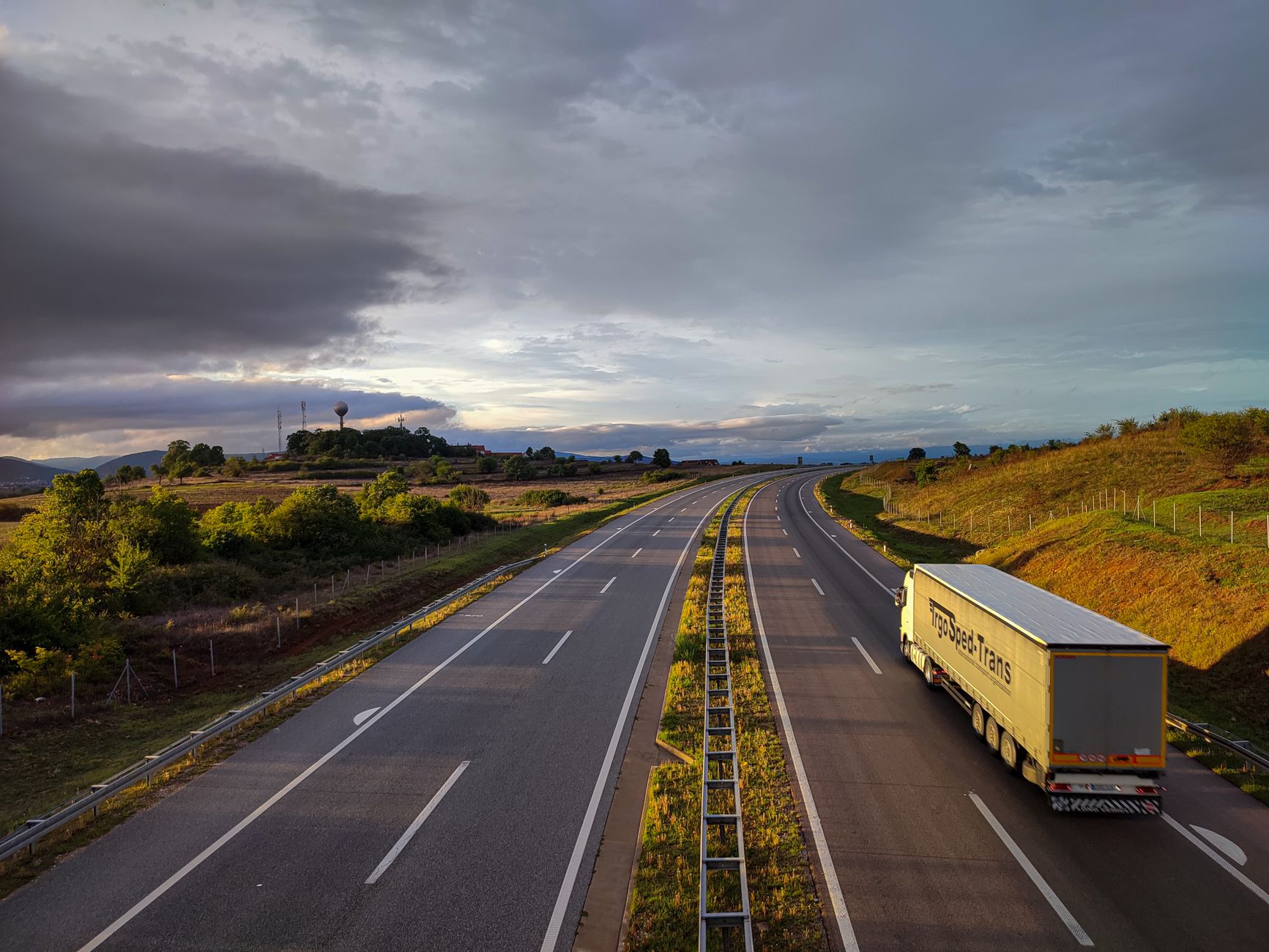
WASHINGTON, D.C. — Autonomous vehicle technology is fundamentally reshaping the age-old practice of truck platooning, moving commercial fleets away from manual convoys toward automated systems linked by vehicle-to-vehicle communication. Fleets across the country are watching closely as developers refine cooperative adaptive cruise control, which allows a lead truck to guide tightly spaced follower rigs using advanced sensors, cameras, and real-time data exchange. While traditional platooning relied entirely on human drivers maintaining tight following distances to crack aerodynamic drag, today's automated trials use artificial intelligence and machine learning algorithms to synchronize braking and acceleration instantly.
This technological shift promises significant operational perks for carriers looking to trim fuel costs and tighten transit schedules. By running rigs in close proximity, platooning cuts aerodynamic drag significantly, translating to lower fuel consumption and a reduced environmental footprint across long OTR routes. Proponents also argue that automated lead trucks and synchronized following units eliminate the lag of human reaction times, theoretically improving highway safety and optimizing road space utilization during heavy traffic periods. For a CDL-A driver caught in grueling daily congestion, the idea of smoother traffic flow and reduced fuel waste sounds promising on paper.
Despite the high-tech appeal, the road to widespread commercial deployment remains blocked by serious technological, legal, and infrastructural hurdles. System reliability stands as a primary concern, since any minor sensor glitch or communication drop within a high-speed platoon can trigger catastrophic multi-vehicle accidents. State-level policymakers are already pushing back against fully unmanned operations, pointing to recent legislative actions like California's proposed mandate requiring a human operator behind the wheel of any self-driving commercial vehicle over 10,000 pounds. Furthermore, true platooning requires smart highway infrastructure, dedicated lanes, and massive capital investments that state departments of transportation are currently unequipped to deliver.
What This Means for Drivers
Professional drivers often wonder if automated convoys threaten truck driver jobs or fundamentally change daily life on the highway. Instead of staring at the windshield for 11 hours straight, drivers in follower units may transition into supervisory roles, monitoring automated systems and managing unexpected route changes. However, strict route and schedule dependencies mean platoons lack the flexibility needed to handle sudden detours, emergency roadside repairs, or diverse cargo drops. Owner-operators and small fleets operating outside rigid hub-to-hub lanes will likely find little practical application for platooning technology in the near term.
Industry Reaction
Industry stakeholders and regulatory bodies remain divided on how to approach the integration of autonomous truck platoons on public highways. While technology developers push for rapid deployment to ease driver shortages and boost efficiency, safety advocates and enforcement agencies demand rigorous testing and standardized federal guardrails. Policymakers are still sorting out complex liability questions regarding who takes the blame when an automated platoon system fails on an interstate. Fleets evaluating these systems recognize that widespread adoption is still far on the horizon, requiring years of regulatory debate and infrastructure overhauls before becoming a standard fixture on American highways.
Key Points
- Autonomous truck platooning uses V2V and V2I communication to synchronize braking and acceleration across a convoy.
- Aerodynamic drag reduction yields measurable fuel savings and lowers carbon footprints for long-haul carriers.
- Regulatory hurdles persist, exemplified by state bills requiring human operators behind the wheel of heavy autonomous trucks.
- Rigid route and schedule dependencies limit the operational flexibility required for unpredictable freight hauling.
Looking for a better trucking job? US Trucker's free job-matching service connects CDL-A drivers, OTR drivers, regional drivers, and owner-operators with 500+ top US carriers. Leave your details in the form on this page and a recruiter will call you within one business day. Trucking companies are hiring now.
Photo by Alban Mehmeti on Pexels