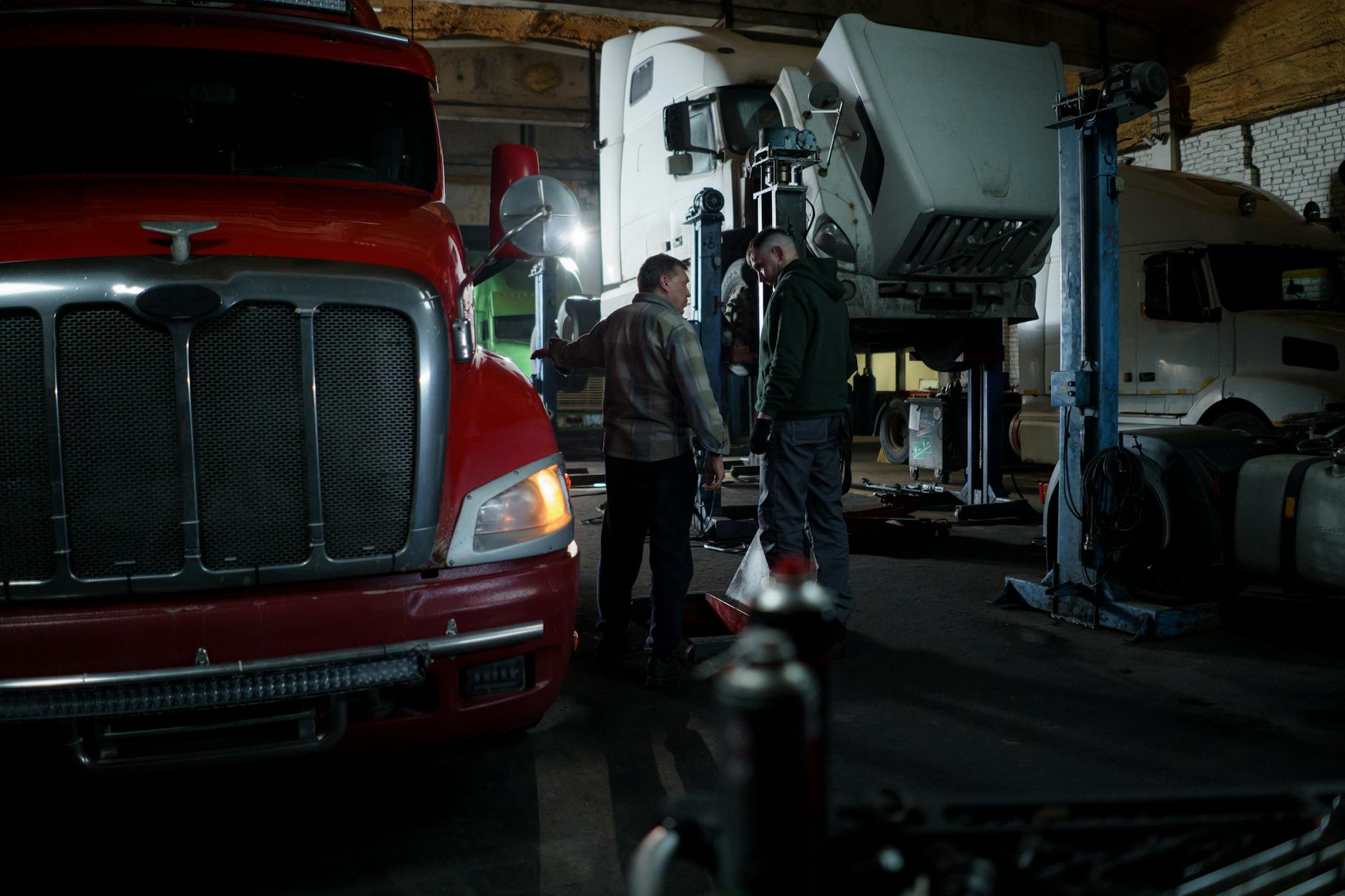
Washington, D.C. — The Truck Leasing Task Force has identified a specific pattern in which motor carriers leverage mandatory maintenance requirements to extract additional profits from drivers in lease-purchase arrangements. During its third meeting, the group focused on how these agreements restrict a CDL-A driver's ability to choose affordable service providers, effectively locking them into expensive, carrier-controlled repair shops.
\nUnder these structures, the carrier leases the truck to the driver while retaining significant operational control. The driver is responsible for payments, yet the carrier often dictates where work must be performed. This dynamic creates a financial trap where a driver must cover the cost of the vehicle and the cost of keeping it roadworthy, often at inflated rates determined by the lessor. The task force, established by a provision in the 2021 Infrastructure Investment and Jobs Act, is working to define and prevent these predatory practices before they continue to erode driver earnings.
\nPaul Cullen Jr., an attorney with the Cullen Law Firm and a task force member, described the restriction of maintenance choices as a primary avenue for carrier profit. He noted that some trucking companies force drivers to use specific \"preferred\" maintenance facilities, preventing them from shopping around for competitive pricing. In more severe cases, drivers are locked into the carrier's own maintenance shop, where the price is fixed and non-negotiable. Cullen warned that at the conclusion of a lease, carriers frequently impose multiple maintenance fees without providing proof that the work was actually completed, using these deductions to zero out any remaining balance the driver might have accrued.
\nWhat This Means for Drivers
\nFor an OTR truck driver or owner-operator entering a lease-purchase deal, the maintenance clause is often the most dangerous part of the contract. If the agreement mandates a specific service center, the driver loses leverage on repair costs, which can quickly exceed the weekly lease payment. When a truck is down for preventive maintenance or unexpected repairs, no revenue is generated, yet the lease payment continues to hit the driver's account. This stops the driver from building equity, as the \"investment\" in the truck is consumed by the very costs the carrier controls. The result is a cycle where the driver works hard but ends the contract owing money rather than owning the asset.
\nIndustry Reaction
\nJim Jefferson, representing the Owner-Operator Independent Drivers Association, shared a case study of a driver who completed all required payments only to be hit with a $30,000 maintenance fee at the end of the term. This driver never completed the purchase, leaving the investment effectively lost. Steve Viscelli, an economic sociologist at the University of Pennsylvania who also serves on the task force, pointed out that the success rate for drivers actually walking away with the truck is exceptionally low. Drivers often enter these deals believing they are building equity, but the financial pressure of maintenance and lease payments makes ownership a rare outcome. The FMCSA regulations surrounding these leases are now under close examination to see if they adequately protect drivers from these end-of-contract traps.
\nKey Points
\n- Carriers often restrict drivers to specific, high-cost maintenance shops, preventing price comparison.
- End-of-lease deductions for maintenance can be significant, with one reported case involving a $30,000 fee.
- The Truck Leasing Task Force is in its third meeting and will make recommendations to the FMCSA.
- Drivers frequently report owing money to the carrier at the end of a pay period or lease term.
Looking for a better trucking job?
Photo by cottonbro studio on Pexels