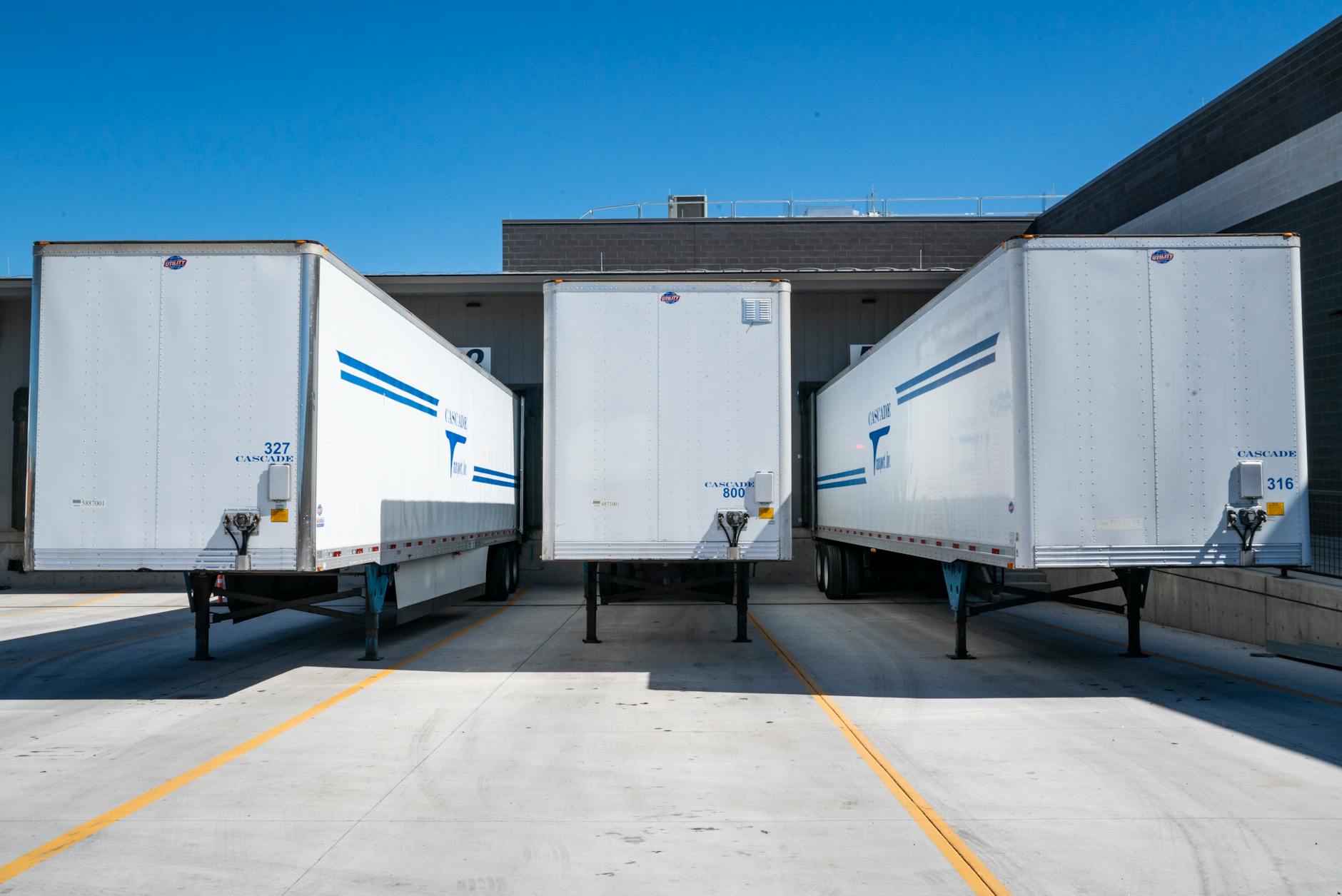
CHICAGO, IL — The traditional profile of a Class A driver is evolving as regional distribution networks expand to meet the demands of modern retail and grocery supply chains. While OTR truck driver roles remain a staple of the industry, a growing number of carriers are prioritizing regional delivery and courier-style freight that keeps drivers within a tighter operating radius. This shift is reshaping how professional drivers manage their clocks, their equipment, and their daily interactions with receivers.
Regional delivery freight is surging as retailers and manufacturers move inventory more frequently between warehouses, distribution hubs, and storefronts. Unlike the solitary nature of long-haul lanes, this work requires a driver to start at a distribution center, navigate through familiar territory, and manage multiple scheduled stops throughout the day. These routes are built for speed and consistency, relying on steady turnover rather than long stints on the open highway. For many, this offers a more predictable lifestyle, though it often comes at the cost of increased physical labor and tighter scheduling demands.
The compensation structure for these roles has adjusted to reflect the intensity of the work. Many trucking companies hiring for regional positions have moved away from pure mileage pay, opting instead for a blend of stop pay, hourly wages, unloading incentives, and detention policies. A route with lower mileage can still be highly lucrative if the driver is compensated for the time spent navigating city traffic, managing warehouse appointments, and performing touch freight tasks like operating pallet jacks or liftgates. Drivers evaluating these opportunities must look beyond the base rate to understand the full scope of the workload.
What This Means for Drivers
A CDL-A driver considering a move to regional delivery should prepare for a faster-paced day that requires more customer interaction than traditional over-the-road work. Success in this sector depends on the ability to manage tight delivery windows and navigate store docks or warehouse yards with precision. While the mileage might be lower, the complexity of the stops means that the job is rarely easier than a standard long-haul run. Drivers who prioritize a consistent weekly rhythm and a familiar operating area often find this work more sustainable, provided they are prepared for the increased physical demands of unloading and multi-stop management.
Industry Reaction
The broader logistics industry is increasingly reliant on drivers who can bridge the gap between heavy-duty transport and final-mile efficiency. As consumer expectations for rapid replenishment grow, carriers are finding that the most effective way to maintain reliable capacity is to offer roles that balance the technical requirements of a Class A license with the predictable, localized nature of courier-style operations. This trend suggests that the divide between traditional freight and specialized delivery is shrinking, forcing drivers to become more adaptable in their skill sets.
Key Points
- Regional delivery roles frequently involve high-frequency stops at retail locations, grocery stores, and automotive parts warehouses.
- Pay structures are shifting to include stop pay, unloading incentives, and detention, acknowledging that miles do not always reflect total effort.
- The work often requires more physical labor, including pallet jack use and liftgate operation, compared to drop-and-hook OTR runs.
- Routine and consistent dispatch patterns allow for better home-time predictability, though the daily schedule is often more rigid than long-haul work.
Looking for a better trucking job? US Trucker's free job-matching service connects CDL-A drivers, OTR drivers, regional drivers, and owner-operator professionals with 500+ top US carriers. Leave your details in the form on this page and a recruiter will call you within one business day. Trucking companies are hiring now.