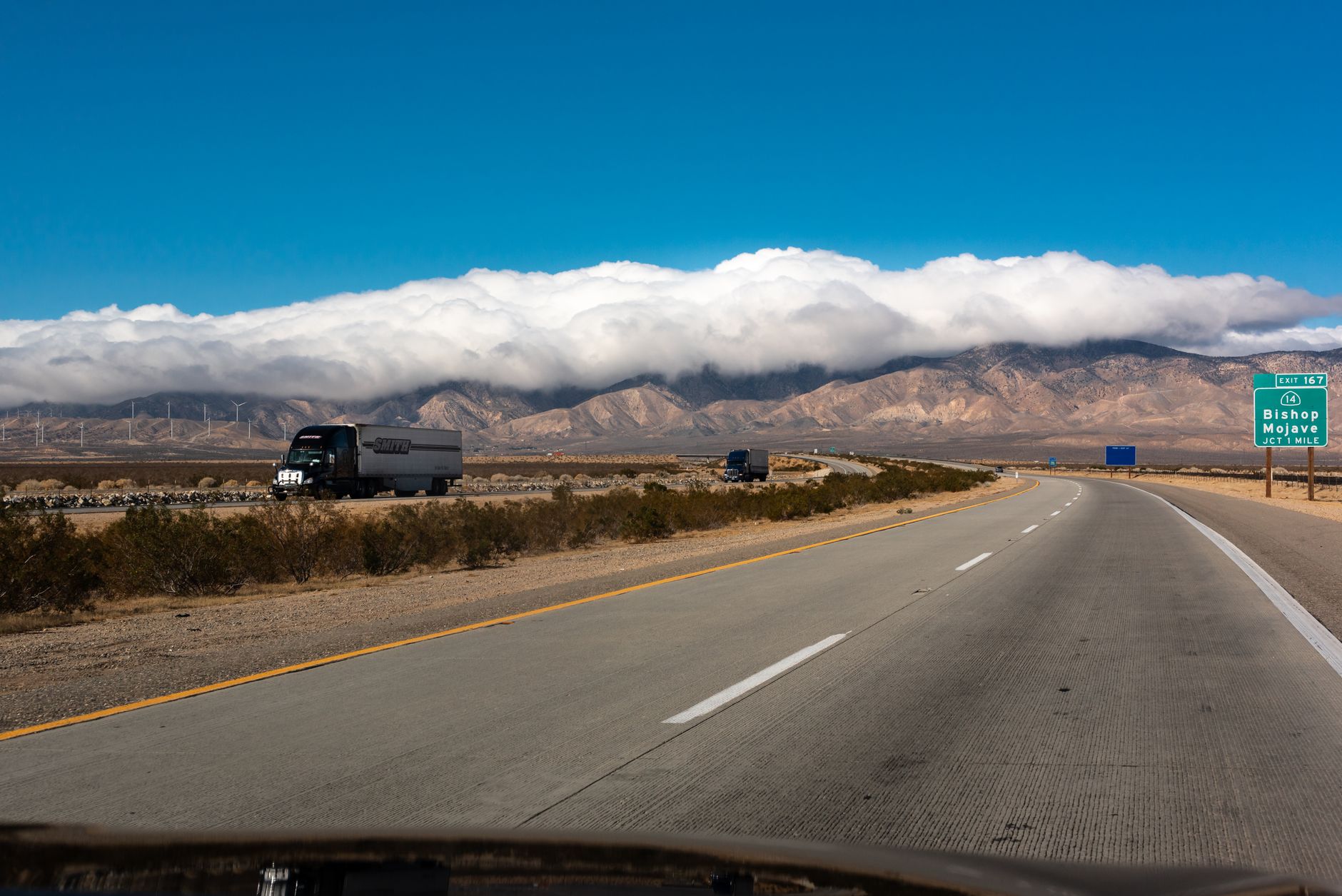
AUSTIN, Texas — Federal and state authorities are ramping up enforcement efforts against the growing prevalence of “cloned” semi-trucks, a dangerous criminal tactic that involves painting illicit vehicles to match the appearance and federal identification numbers of legitimate commercial rigs. This deceptive practice gained national scrutiny following the tragic San Antonio incident where 53 migrants perished inside a trailer marked with the stolen credentials of a real trucking company.
Truck cloning creates a massive headache for the industry, as it allows smugglers and traffickers to bypass standard border inspections by blending into the sea of legal freight movement. Texas Department of Public Safety Director Steve McCraw confirmed that the state is initiating an immediate, targeted checkpoint strategy at various ports of entry to intercept these fraudulent vehicles. The goal is to detect discrepancies between physical trucks and the data registered with federal agencies before these vehicles can move further inland.
While official reports estimate that roughly 75 trucks are identified as clones annually, industry experts believe the actual number of ghost rigs operating on American highways is significantly higher. Because a legitimate owner-operator often remains unaware that their DOT number has been hijacked until they receive a violation notice or a call from law enforcement, the true scope of the problem remains obscured. There is currently no reliable mechanism for a carrier to track if their identity has been duplicated until a catastrophic event or a major audit brings the issue to light.
What This Means for Drivers
For the average CDL-A driver, this surge in cloning means more frequent and intensive inspections at state borders. You should keep your vehicle identification documentation organized and be prepared for potential delays at designated inspection points. If you are an owner-operator, monitor your FMCSA portal regularly to ensure no unauthorized activity or phantom inspections appear on your safety record. These checkpoints are designed to filter out illegitimate actors, but they will inevitably slow down the flow of freight for every professional driver on the road.
Industry Reaction
John Esparza, president and CEO of the Texas Trucking Association, highlighted the fundamental vulnerability of the current system. He noted that the industry lacks a proactive way to detect cloning, leaving carriers effectively defenseless until they are implicated in a crime they did not commit. This reality has forced the Texas Department of Public Safety to shift toward a more aggressive, immediate intervention strategy, putting the burden of proof on the drivers and carriers passing through these high-traffic corridors. The industry continues to push for better oversight to protect the reputations of honest owner-operators.
Key Points
- Approximately 75 trucks are officially reported as clones every year, though actual figures are likely much higher.
- Texas DPS is launching an immediate checkpoint strategy at ports of entry to target rigs mimicking legitimate fleet profiles.
- Cloning involves duplicating federal ID numbers and paint schemes to evade law enforcement and border security.
- Legitimate carriers often remain unaware of cloning until they face legal repercussions or surprise audit notifications.
Looking for a better trucking job? US Trucker's free job-matching service connects CDL-A drivers, OTR drivers, regional drivers, and owner-operators with 500+ top US carriers. Leave your details in the form on this page and a recruiter will call you within one business day. Trucking companies are hiring now.
Photo by Dominik Gryzbon on Pexels