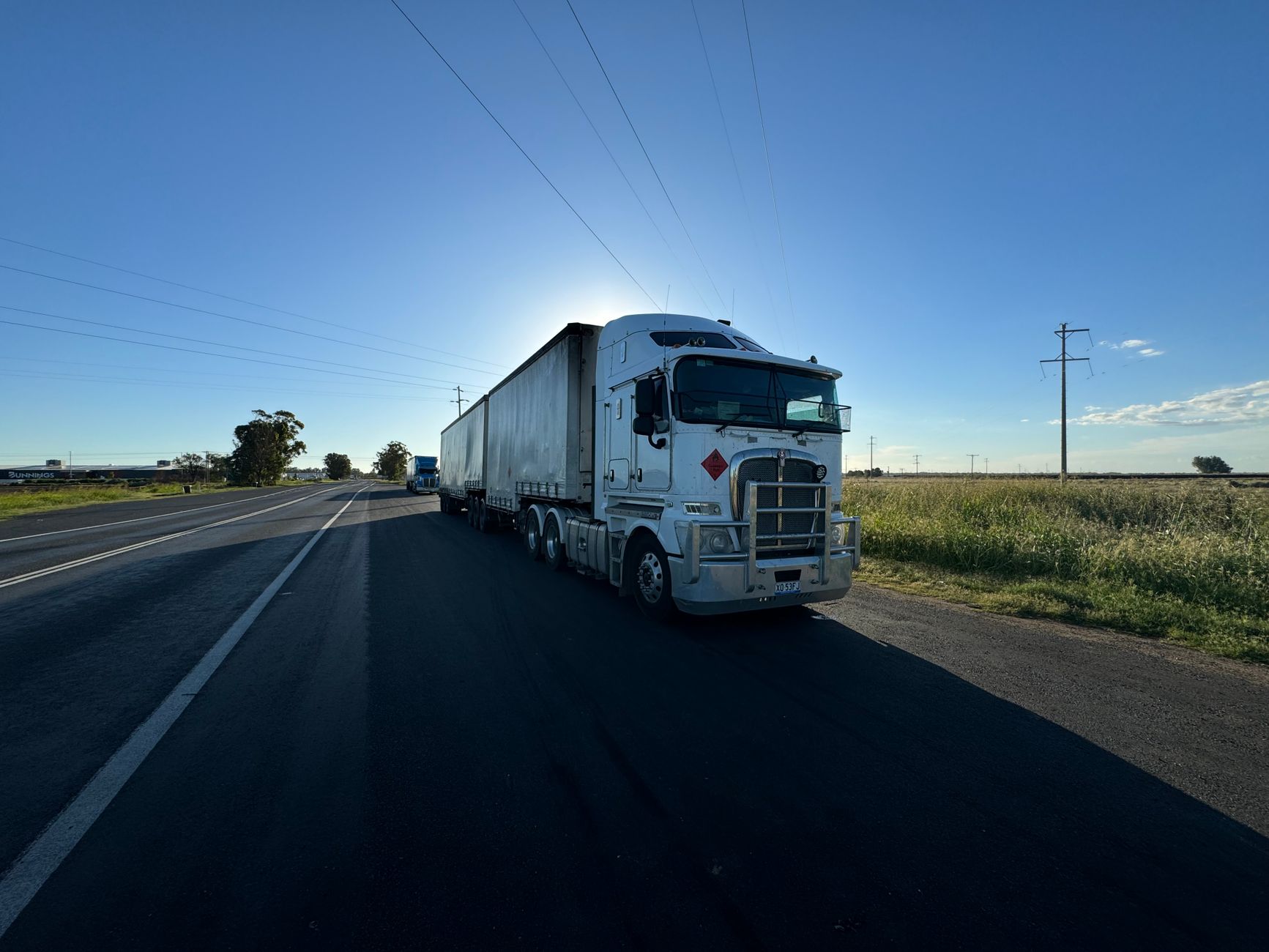
LAS VEGAS, NV — The annual championship game stands as a logistical behemoth that relies on the precision of professional truck drivers to move the entire production across the country. While fans focus on the gridiron, the event functions entirely on the back of the trucking industry, which delivers thousands of tons of equipment long before the first whistle blows.
Operations for the game involve much more than just team gear. Teams require the transport of uniforms, medical supplies, and specialized training equipment, but the massive broadcast infrastructure represents the real heavy lifting. Satellite dishes, high-definition camera arrays, miles of specialized cabling, and mobile production units must arrive on a strict schedule. If these assets do not reach the stadium on time, the national broadcast simply cannot happen, proving that even a global sporting event is entirely dependent on the reliability of the professional driver.
The halftime show presents its own set of unique challenges that test the mettle of any experienced OTR truck driver. These performances require the delivery of modular stage components, massive lighting rigs, and high-fidelity sound systems that are often transported in multiple dedicated trailers. Drivers operating these routes face tight delivery windows and precise staging requirements to ensure the production crew can assemble the set in the middle of the field during the limited halftime break. Every minute counts when dealing with this level of technical complexity.
What This Means for Drivers
Securing a contract for event logistics requires a high degree of professionalism and strict adherence to delivery schedules. Owner-operator businesses that specialize in entertainment logistics often find themselves working under intense pressure where equipment must be spotted at exact locations to avoid stadium traffic bottlenecks. CDL-A drivers involved in these high-profile runs must demonstrate advanced maneuvering skills and excellent communication with on-site coordinators. The work is demanding, but it highlights how essential the trucking industry remains to the biggest cultural moments in the United States.
Industry Reaction
Industry analysts often point to these major events as the ultimate test of supply chain resilience. While the public rarely considers the men and women behind the wheel, the logistics sector recognizes that the ability to move sensitive, high-value technical gear is a specialized skill set. Carriers that excel in this niche sector are currently expanding their fleets, and many trucking companies hiring today are looking for drivers who can handle the rigors of time-sensitive, specialized freight.
Key Points
- Broadcast crews rely on the transport of miles of cabling, satellite dishes, and HD cameras to deliver the game to millions of viewers.
- Halftime show production requires the synchronization of multiple trailers carrying stage components and lighting rigs.
- Team equipment including uniforms and medical supplies must be delivered on a precise timeline to ensure player readiness.
- Logistics for the game function as a massive, nationwide relay that relies on the reliability of the professional driver to avoid broadcast interruptions.
Looking for a better trucking job? US Trucker's free job-matching service connects CDL-A drivers, OTR drivers, regional drivers, and owner-operators with 500+ top US carriers. Leave your details in the form on this page and a recruiter will call you within one business day. Trucking companies are hiring now.
Photo by hitesh Sarain on Pexels