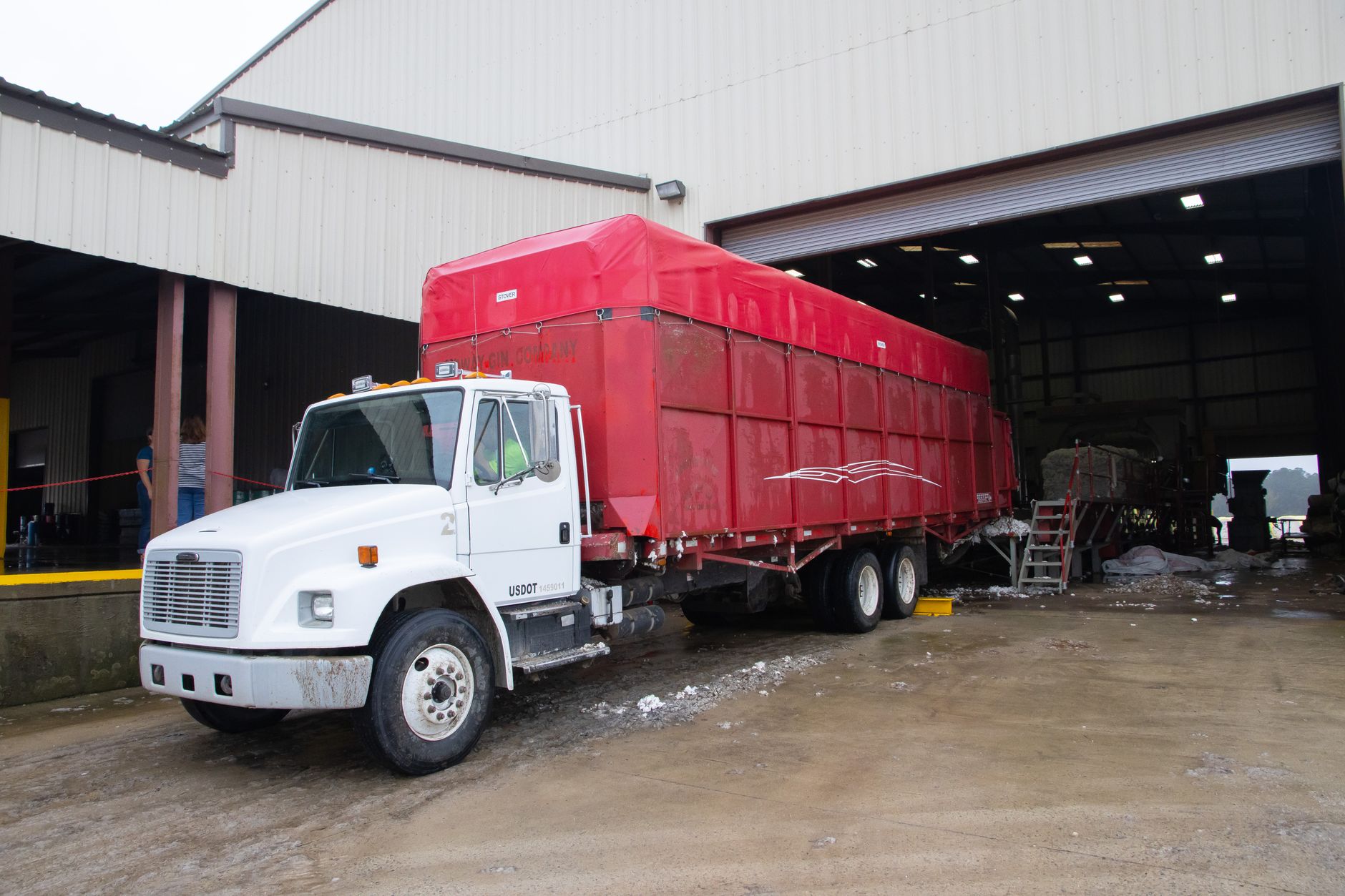
ARLINGTON, VA — On December 13, the trucking industry once again proved its essential role in national service as carriers and professional drivers executed the massive logistics operation known as National Wreaths Across America Day. Across the United States, more than 325 carriers stepped up to transport nearly 700 loads of wreaths, ensuring that over three million balsam wreaths were delivered to gravesites at more than 5,500 locations.
This initiative represents more than just a seasonal haul; it is a complex, coordinated effort that relies on the dedication of the professional driving community. While the public sees the final placement of wreaths on headstones, the mission begins weeks earlier on the highway. At Arlington National Cemetery alone, 69 trucks arrived in the days leading up to the ceremony to stage their freight, requiring precise scheduling and commitment from the drivers behind the wheel.
The scale of the operation has grown significantly since 1992, when Morrill Worcester first arranged for surplus wreaths to be placed at Arlington. Today, the mission requires a massive, nationwide network of carriers to function. Executive Director Karen Worcester has stated clearly that the entire organization would not exist without the consistent support provided by trucking companies hiring drivers who are willing to donate their time and equipment to the cause.
What This Means for Drivers
For the average CDL-A driver, participating in this event offers a chance to contribute to a national legacy while navigating the logistical challenges of a high-visibility, time-sensitive delivery. Many drivers, like NFI’s Jason Westcoff, return year after year, building the event into their annual schedules as a personal commitment to service. Owner-operator participation is vital, as it allows independent professionals to integrate their business operations with a mission that resonates across the entire country. Engaging in these hauls requires coordination with dispatch to ensure that equipment is available and that the delivery window is met despite the influx of volunteers and spectators at the sites.
Industry Reaction
The industry views this event as a defining moment that highlights the humanity behind the steering wheel. Rather than seeking media attention or fanfare, drivers quietly arrive to fulfill their responsibility to the fallen. This subdued, respectful approach reinforces the core values of the trucking community, proving that the industry is capable of managing complex, large-scale supply chain logistics while remaining deeply connected to the communities they serve. As the demand for transport continues to rise, the partnership between Wreaths Across America and the trucking sector remains a benchmark for corporate and individual social responsibility.
Key Points
- Over three million wreaths were placed at 5,500 national cemeteries this past December.
- A total of 325 carriers and nearly 700 loads were required to complete the national logistics mission.
- 69 trucks were utilized specifically for the delivery of wreaths to Arlington National Cemetery.
- The mission originated in 1992 and has since evolved into a massive, year-round coordination effort within the trucking industry.
Looking for a better trucking job? US Trucker's free job-matching service connects CDL-A drivers, OTR drivers, regional drivers, and owner-operators with 500+ top US carriers. Leave your details in the form on this page and a recruiter will call you within one business day. Trucking companies are hiring now.
Photo by Mark Stebnicki on Pexels