LOUISVILLE, KY — The transition to becoming an owner-operator remains the most significant career shift for a CDL-A driver, yet many fail within the first year by prioritizing equipment over operational math. Achieving long-term success requires a disciplined, step-by-step approach that separates those who merely own a truck from those who actually generate profit. Drivers who rush into truck purchases before mastering their own lane logistics often find themselves reacting to mounting costs rather than controlling their revenue streams.
Industry veterans emphasize that the foundation of a successful business begins with one to three years of OTR or regional experience. This time in the seat is not just about logging miles; it is about learning how to manage a schedule independent of dispatch. A driver must understand which lanes offer reliable reloads and which appointments consistently result in wasted hours. Without this operational knowledge, a new owner-operator cannot accurately judge if a load is worth the fuel and time investment once their own capital is on the line.
Financial preparation must precede any equipment search. A comprehensive startup budget should account for every fixed cost, including truck payments, commercial insurance, fuel, permits, and heavy vehicle taxes. Owners must also maintain enough cash reserves to cover personal expenses during the initial months of business stabilization. Knowing a precise break-even number per mile is the only way to ensure that load selection remains a business decision rather than a desperate gamble.
What This Means for Drivers
The choice of equipment must be strictly dictated by the type of freight intended for haulage. While dry van operations offer consistent movement, flatbed, tanker, and reefer work often provide higher revenue potential at the cost of increased overhead and responsibility. Owner-operators who secure freight contracts or strong broker relationships before taking delivery of their truck avoid the catastrophic expense of sitting idle. Every day a truck sits parked, fixed costs continue to accrue, rapidly eroding any potential profit margins.
Industry Reaction
The current market environment favors those who treat their vehicle as a business asset rather than a personal possession. Many trucking companies hiring today are looking for owner-operators who demonstrate a clear understanding of lane density and cost-per-mile metrics. By focusing on consistent, high-volume lanes, drivers can minimize empty miles and reduce the downtime that often forces new operators out of the industry. Success in this sector is increasingly defined by the ability to reject unprofitable freight and maintain a rigorous preventive maintenance schedule to prevent unexpected breakdowns.
Key Points
- Establish one to three years of independent driving experience before committing to ownership.
- Calculate a total cost-per-mile break-even point before selecting equipment or cargo type.
- Prioritize consistent lanes over high-paying one-off loads to reduce empty miles and downtime.
- Track every expense, including fuel and maintenance, on a weekly basis to ensure immediate cash flow visibility.
Looking for a better trucking job? US Trucker's free job-matching service connects CDL-A drivers, OTR drivers, regional drivers, and owner-operators with 500+ top US carriers. Leave your details in the form on this page and a recruiter will call you within one business day. Trucking companies are hiring now.
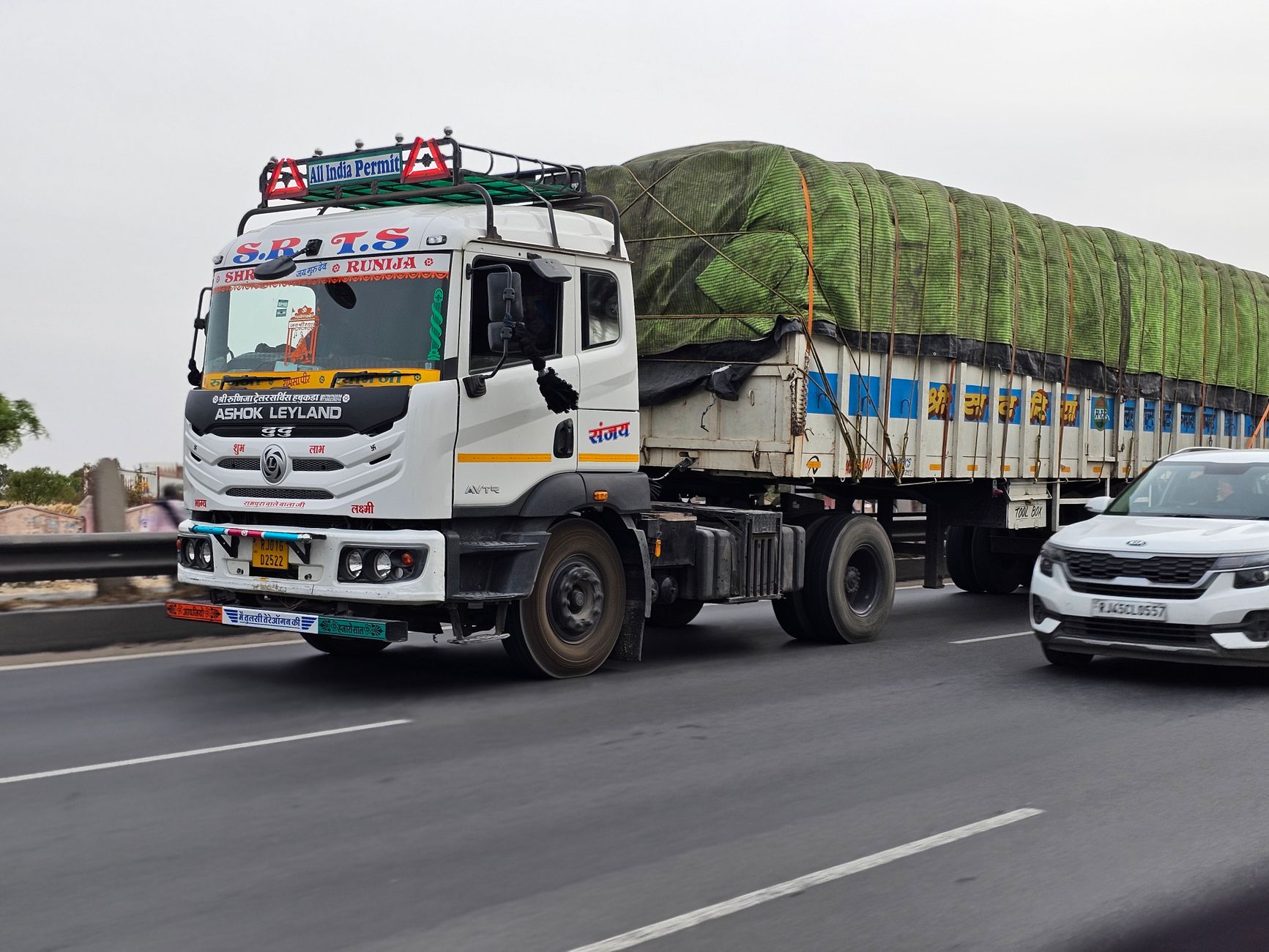
Photo by AMITR MEENA (AMMY) on Pexels