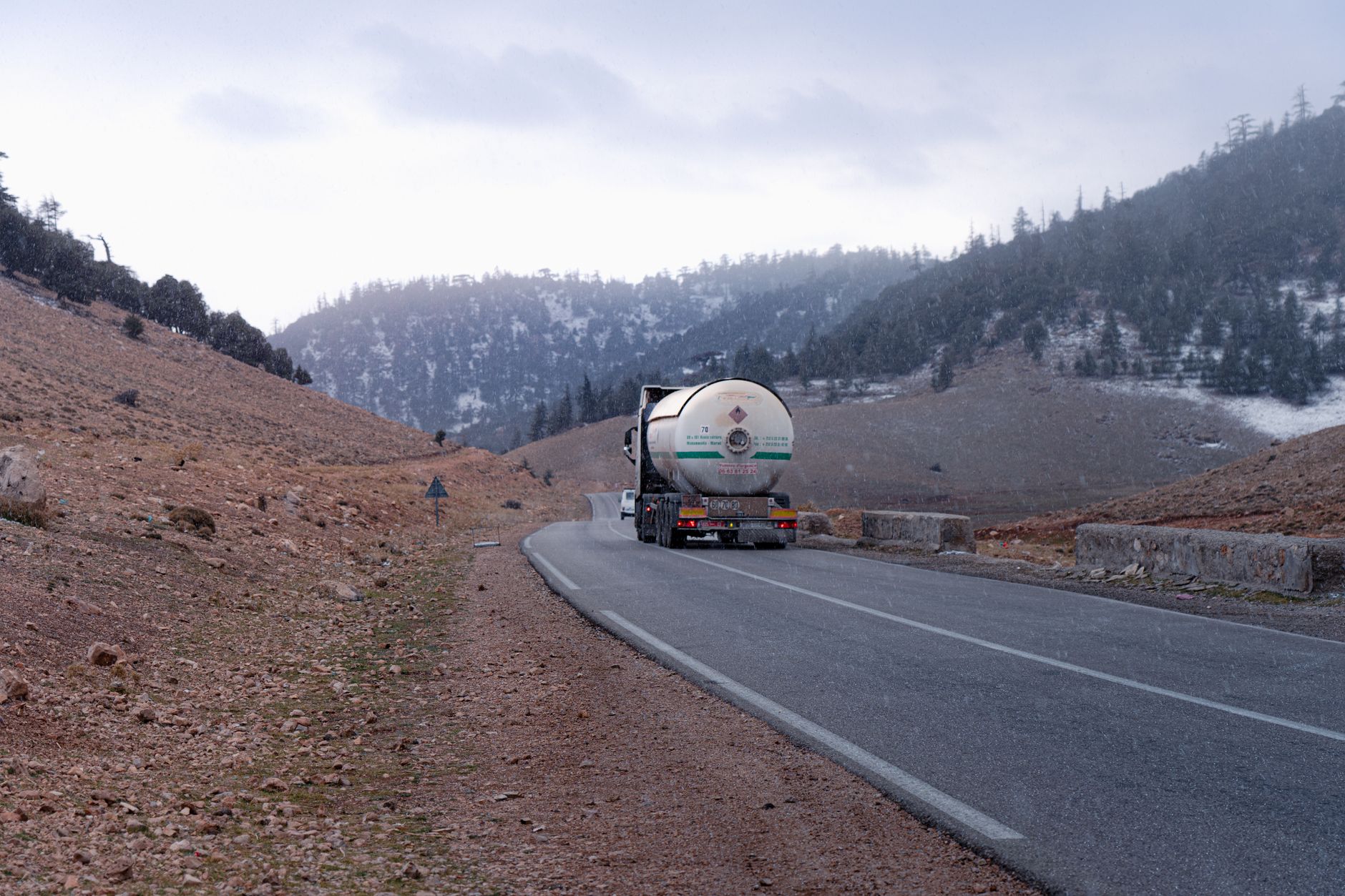
Carson City, Nevada — Tesla is pouring $3.6 billion into expanding its Nevada Gigafactory complex to scale up manufacturing of its Class 8 electric Semi. The massive capital project includes two distinct manufacturing plants, one of which is dedicated entirely to mass-producing the electric tractor units that first hit public highways in December 2022 when PepsiCo took initial delivery.
Early deployment of the electric haulers has faced hurdles since Elon Musk first announced the platform back in 2019. Despite missed production targets and initial reliability setbacks—including reports of battery failures requiring roadside toweys—major corporate fleets remain heavily invested in the technology. Companies including Walmart, United Parcel Service, and Anheuser-Busch hold substantial preorders for the vehicles as Tesla targets an ambitious annual production volume of 50,000 units.
The second newly funded facility at the Nevada complex will focus on manufacturing the proprietary 4680 battery cell. State officials project the dual-plant expansion will generate approximately 3,000 local jobs. During his State of the State address, Nevada Governor Joe Lombardo highlighted the economic impact and the state's aggressive push to court industrial logistics and advanced manufacturing investments.
What This Means for Drivers
CDL-A drivers and owner-operators tracking alternative-fuel trends will see these Class 8 battery-electric vehicles in higher numbers along major freight corridors as fleets attempt to meet corporate sustainability mandates. Fleet managers adopting these units must navigate severe payload weight penalties, limited public charging infrastructure, and strict duty-cycle constraints during regional runs. OTR truck driver job requirements may soon shift to include specialized high-voltage safety training and route planning centered around heavy-duty megacharger stations.
Industry Reaction
Traditional diesel operators and independent carriers continue to eye heavy electric adoption with profound skepticism due to high upfront acquisition costs, unpredictable winter range degradation, and significant cargo capacity losses. While enterprise fleets with dedicated return-to-base routes absorb the initial capital expenditure to test zero-emission mandates, the independent sector demands proven powertrain reliability and realistic payload parity before moving away from reliable internal combustion engines.
Key Points
- Tesla is investing $3.6 billion to expand its Nevada Gigafactory complex.
- The expansion includes a dedicated facility designed for mass production of the electric Semi.
- A second new plant will manufacture 4680 battery cells capable of supporting up to 1.5 million vehicles annually.
- Major corporate fleets including Walmart, UPS, and PepsiCo have preordered or taken delivery of the electric haulers.
Looking for a better trucking job? US Trucker's free job-matching service connects CDL-A drivers, OTR drivers, regional drivers, and owner-operators with 500+ top US carriers. Leave your details in the form on this page and a recruiter will call you within one business day. Trucking companies are hiring now.
Photo by Othmane Ettalbi on Pexels