Chicago, Illinois — Professional truck drivers navigating high-demand freight lanes continue to face severe shortages of safe overnight parking, forcing many CDL-A holders to alter their daily schedules to secure a legal spot. Finding a secure space to log mandatory rest breaks requires proactive planning, situational awareness, and effective use of modern digital tools to avoid parking on dangerous highway shoulders or unauthorized ramps.
Industry guidance stresses that securing a reliable spot starts hours before a driver runs out of Hours of Service. Utilizing dedicated truck parking applications and online reservation systems allows operators to lock down spaces at major travel centers before hitting congested corridors. Major truck stop chains often permit advance reservations, which significantly cuts down the stress of arriving at a packed lot after a long shift behind the wheel.
When booking ahead is not an option, drivers must prioritize locations equipped with robust security measures such as high-intensity lighting, active surveillance cameras, and a steady volume of parked commercial vehicles. Authorized rest areas, major travel plazas, and designated retail lots usually offer better protection against cargo theft and vehicle vandalism than isolated spots. Verifying these amenities through digital directories or direct phone calls before arrival helps protect both the driver and the freight.
What This Means for Drivers
For an OTR truck driver or an independent owner-operator, wasted time hunting for a safe place to park eats directly into revenue and compliance margins. Relying solely on public mapping tools often leads drivers into saturated lots with zero available stalls. Incorporating community knowledge from driver forums, professional networks, and peer recommendations uncovers lesser-known, secure parking alternatives that never appear on standard commercial maps. Checking in with shippers and receivers about possible overnight staging on their properties can also yield safe spots.
Physical cab security remains paramount once the vehicle is parked for the night. Professional drivers should routinely inspect their surroundings for emergency exits and security stations upon pulling into a lot. Securing all doors, closing windows completely, and keeping valuable items out of sight are standard baseline precautions. Many experienced haulers also utilize additional hardware like heavy-duty cab padlocks and high-resolution dash cameras to deter potential break-ins.
Navigating these persistent infrastructure bottlenecks underscores the value of driving for carriers that actively support driver wellness and route planning. Top-tier trucking companies hiring today recognize the parking crisis and work with drivers to manage schedules efficiently. Drivers seeking better operational support can explore opportunities through platforms like ustrucker.info to connect with fleets that prioritize driver safety.
Industry Reaction
Logistics experts and safety advocates continually emphasize that the chronic shortage of truck parking poses a direct threat to highway safety and supply chain efficiency. When drivers spend valuable rest time circling packed facilities, compliance with federal hours-of-service rules becomes increasingly difficult. Industry groups continue to lobby for expanded federal funding to build new truck parking infrastructure, but until capacity catches up to freight demand, individual risk mitigation remains the primary defense for commercial drivers on the road.
Key Points
- Use truck parking apps and reservation services to book spaces ahead of time in high-demand freight corridors.
- Target parking locations featuring high-intensity lighting, active surveillance cameras, and a steady flow of other commercial trucks.
- Secure the cab thoroughly by locking all doors, closing windows, and storing valuable items out of plain sight.
- Leverage driver forums, professional networks, and shipper inquiries to uncover safe, lesser-known parking spots.
Looking for a better trucking job? US Trucker's free job-matching service connects CDL-A drivers, OTR drivers, regional drivers, and owner-operators with 500+ top US carriers. Leave your details in the form on this page and a recruiter will call you within one business day. Trucking companies are hiring now.
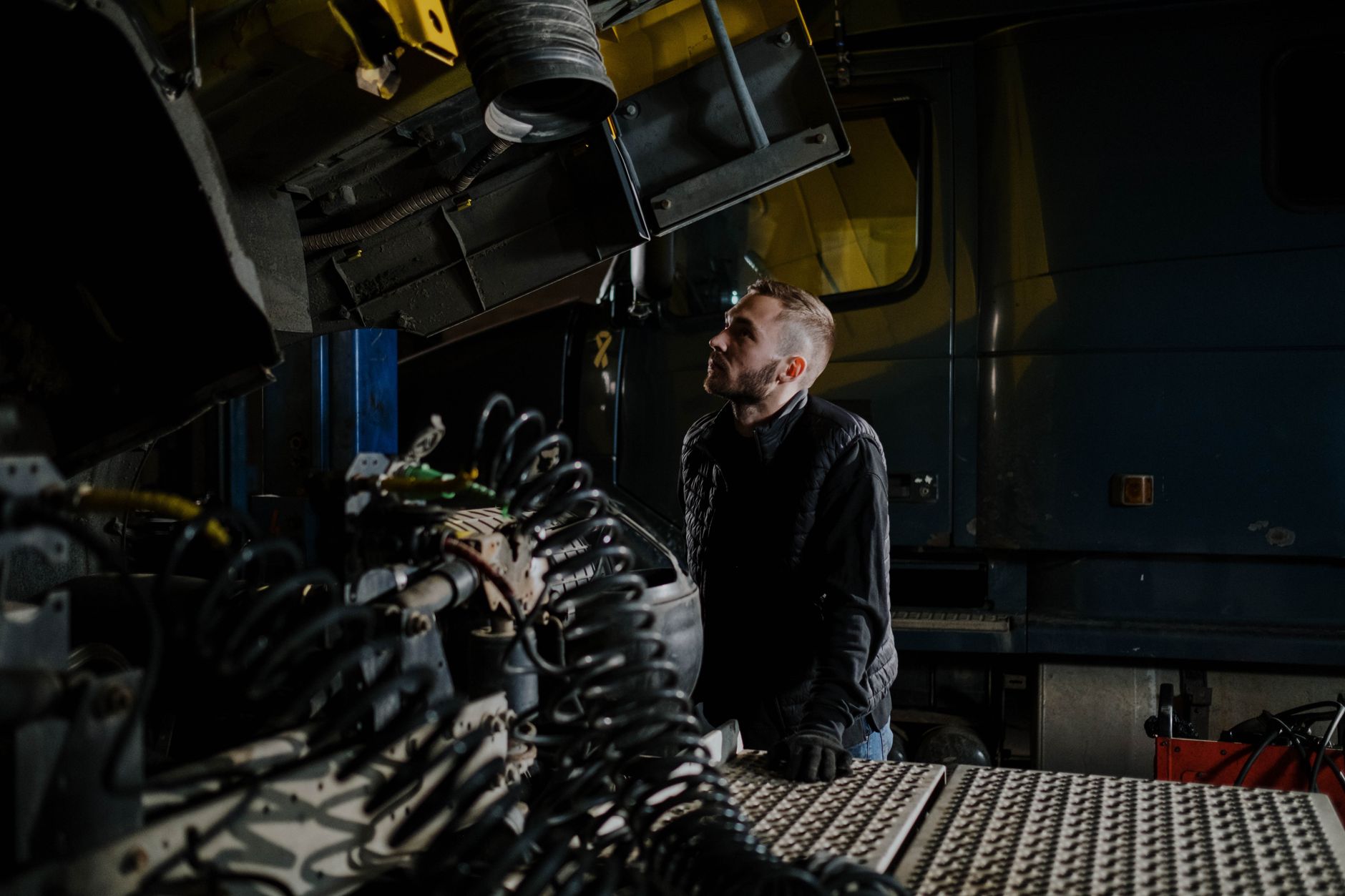
Photo by cottonbro studio on Pexels