CHICAGO, IL — Mechanical failure on the shoulder of an interstate is the single greatest threat to an owner-operator’s profit margins and schedule, yet many drivers remain under-insured by inadequate roadside assistance plans. As of September 2026, industry data confirms that the difference between a two-hour delay and a two-day headache often comes down to the fine print in a service contract. Companies like Interstar, now operating as FYX, and NTBS have set the standard for heavy-duty recovery by moving away from generic coverage toward specialized, Class 8-focused support.
Reliable coverage is no longer just about getting a tow; it is about infrastructure. When an OTR truck driver sits immobile, the clock on their HOS is still ticking. Plans that fail to cover both the tractor and the trailer force operators into a logistical nightmare, requiring separate recovery efforts that double the cost and triple the downtime. Effective providers now integrate tire repair, fuel delivery, and lockout services into a single point of dispatch, ensuring that a minor issue like an empty tank or a dead battery does not escalate into a major missed delivery.
Technical competence on the side of the road is just as critical as the speed of the tow truck. Networks such as TA’s RoadSquad utilize ASE-certified technicians who possess the specific expertise required for modern heavy-duty rigs. These mobile units often carry the diagnostic software needed to clear codes that would otherwise force a tow to a dealer. With NTBS maintaining sub-60-minute response times and organizations like National Truck Emergency Road Service leveraging a network of 70,000 vetted technicians, the bar for service has been raised significantly for any owner-operator looking to protect their bottom line.
What This Means for Drivers
Every CDL-A driver needs to verify whether their current plan covers the full weight and dimensions of their specific rig. If your policy limits towing distance to less than 50 miles, you are likely paying out-of-pocket for the remainder of the trip to the shop. High-quality plans now offer transparent pricing models that eliminate the surprise fees commonly encountered during emergency calls. Operators should audit their coverage annually to ensure it matches their current lanes and equipment requirements.
Industry Reaction
The shift toward integrated, high-speed roadside recovery is a direct response to the increasing complexity of modern emissions systems and electronic control units. Carrier managers and independent contractors alike are prioritizing services that offer remote diagnostics, as these tools often prevent unnecessary towing. As more trucking companies are hiring, the availability of comprehensive roadside support has become a key recruitment factor for drivers who refuse to sacrifice their safety or income to unreliable support networks.
Key Points
- NTBS and Interstar (FYX) currently lead the market in North American coverage and rapid dispatch capabilities.
- Top-tier plans include comprehensive services like winching, jump-starts, and tire replacement to address minor mechanical issues on the fly.
- Certified technicians from networks like RoadSquad provide on-site diagnostics, often preventing the need for a costly tow to a dealership.
- Industry surveys from 2024–2025 highlight Boss Shop, Rush, and FleetNet as consistent performers for reliability and speed in high-pressure situations.
Looking for a better trucking job? US Trucker's free job-matching service connects CDL-A drivers, OTR drivers, regional drivers, and owner-operators with 500+ top US carriers. Leave your details in the form on this page and a recruiter will call you within one business day. Trucking companies are hiring now.
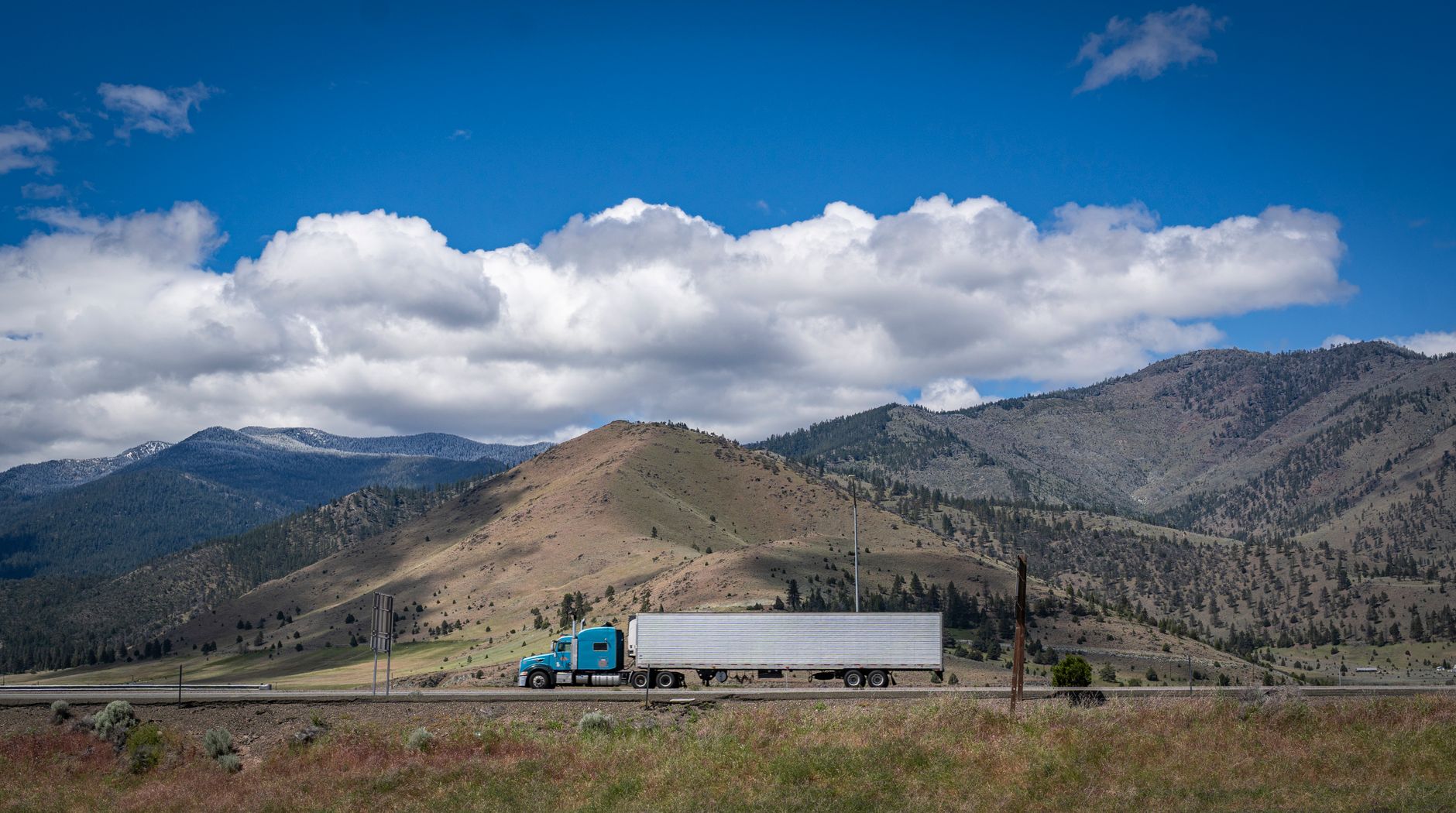
Photo by Laszlo Magyar on Pexels