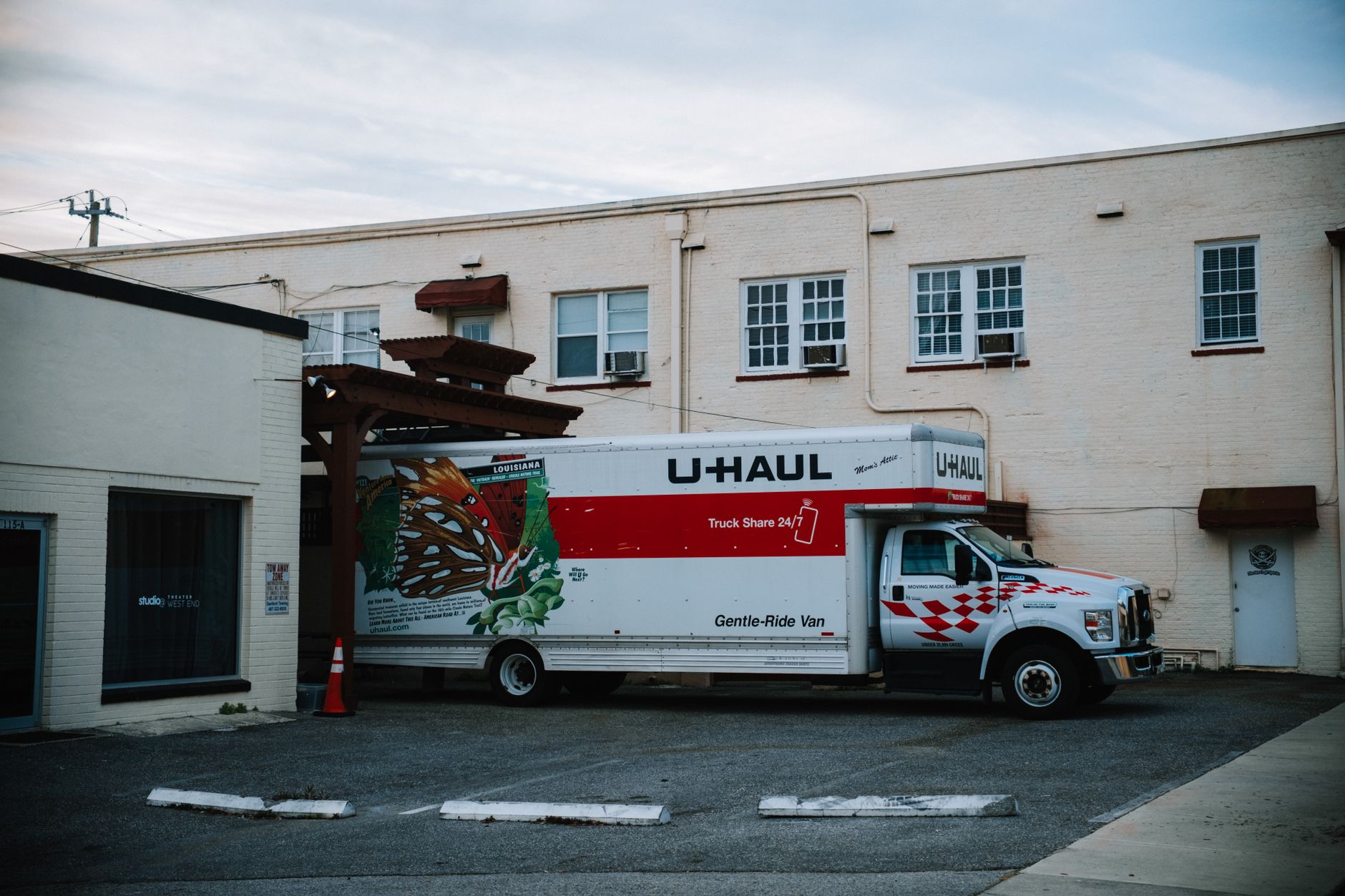
INDUSTRY WIDE — With the festive season approaching, roadways across the United States are expected to see a significant surge in civilian traffic, prompting many motorists to seek guidance from those who make the highways their daily workplace. Professional truck drivers, whose expertise is built on years of navigating complex interstate systems, are offering their best practices to help private vehicle owners avoid common pitfalls and ensure a smoother journey.
The primary challenge for civilian drivers during this period is the dramatic increase in vehicle density, which turns routine commutes into high-stress environments. For the average motorist, the difference between a stressful drive and a manageable one often comes down to preparation and mindset. Experienced operators know that the highway is not just a route but a dynamic system that requires constant awareness and strategic decision-making, skills that translate directly to the civilian driver's needs.
Specific advice from the industry emphasizes the importance of route planning and vehicle maintenance. Drivers are encouraged to bypass major metropolitan areas during peak rush hours to maintain a consistent flow of traffic. Additionally, financial prudence is a major consideration; checking fuel prices in adjacent states before crossing borders can lead to significant savings, especially for long-distance travelers who might otherwise refuel at the highest possible rates.
What This Means for Drivers
For those preparing for long-distance travel, the advice extends beyond simple navigation. Maintaining a positive mental state is highlighted as a critical safety factor, as stress can impair judgment and reaction times. Drivers are advised to equip their vehicles with essential items, including a first aid kit, a flashlight, and adequate supplies of food and water to handle unexpected delays. Furthermore, the use of dash cameras is recommended not only for security purposes but also to capture scenic moments during the trip, providing a layer of protection and peace of mind in case of minor incidents.
When selecting locations for breaks, safety is the paramount concern. Well-established truck stops such as Love's, Pilot, Flying J, Petro, and TA are cited as safer options compared to less-monitored rest areas. If a driver must use a rest area, choosing daylight hours and parking in a visible, strategic position is essential. These operational details, standard for any CDL-A driver or owner-operator, provide a robust framework for civilians to follow.
Industry Reaction
The trucking industry has long advocated for greater awareness of shared road spaces, particularly as civilian traffic volumes rise. Trucking companies hiring new personnel often emphasize defensive driving and situational awareness as core competencies. The current wave of advice reflects a broader industry effort to foster better coexistence on the roads. By sharing these insights, the sector aims to reduce the friction between commercial and private traffic, a goal that aligns with the broader safety initiatives promoted by regulatory bodies and fleet managers alike.
Key Points
- Plan routes to avoid major city rush hours and check fuel prices across state lines to save money.
- Invest in a dash camera for security and to record scenic views during the journey.
- Choose established truck stops like Pilot or Flying J for safer and more reliable breaks.
- Prepare for delays by packing emergency supplies and maintaining a calm, positive mindset.
Looking for a better trucking job? US Trucker's free job-matching service connects CDL-A drivers, OTR drivers, regional drivers, and owner-operators with 500+ top US carriers. Leave your details in the form on this page and a recruiter will call you within one business day. Trucking companies are hiring now.
Photo by Connor Scott McManus on Pexels