Washington, D.C. — The threat of a nationwide rail shutdown escalated following a fractured vote among the nation's largest rail unions, leaving the door open to severe supply chain disruptions. Railroad conductors rejected their proposed labor agreement while locomotive engineers voted to accept theirs, creating a split response that complicates efforts to avert a crippling work stoppage. For a strike to be legally avoided under current federal rules, all 12 distinct railway unions must ratify their respective labor contracts with freight rail representatives. This ongoing labor impasse stems directly from union pushback over punitive scheduling systems and persistent quality-of-life grievances that workers argue have not been addressed by management.
This divided ratification follows earlier rejections of separate tentative agreements by three other unions under the mediation framework established with the Biden administration. Workers have consistently pointed to rigid attendance policies, unpredictable on-call schedules, and a total lack of guaranteed paid sick leave as primary dealbreakers. While the proposed contract for conductors offered minor concessions, including three annual unpaid days off with advance notice and a dropped push by railroads to slash crew sizes, it failed to secure majority support. SMART-TD president Jeremy Ferguson noted that rail executives continue to resist guaranteed paid sick time while simultaneously expecting federal lawmakers to intervene and force a settlement.
The Retail Industry Leaders Association warned that any disruption to rail transportation threatens timely deliveries of perishable items and e-commerce shipments, while accelerating inflationary pressures across the broader economy. Carriers represented by the National Carrier Conference Committee cautioned that freight networks must begin preemptively halting the movement of sensitive chemicals and perishable cargo well before any formal strike deadline to secure the rail infrastructure safely. If negotiations remain completely stalled, Congress retains the constitutional authority to step in and impose contract terms on both labor and management to protect the national economy from catastrophic gridlock.
What This Means for Drivers
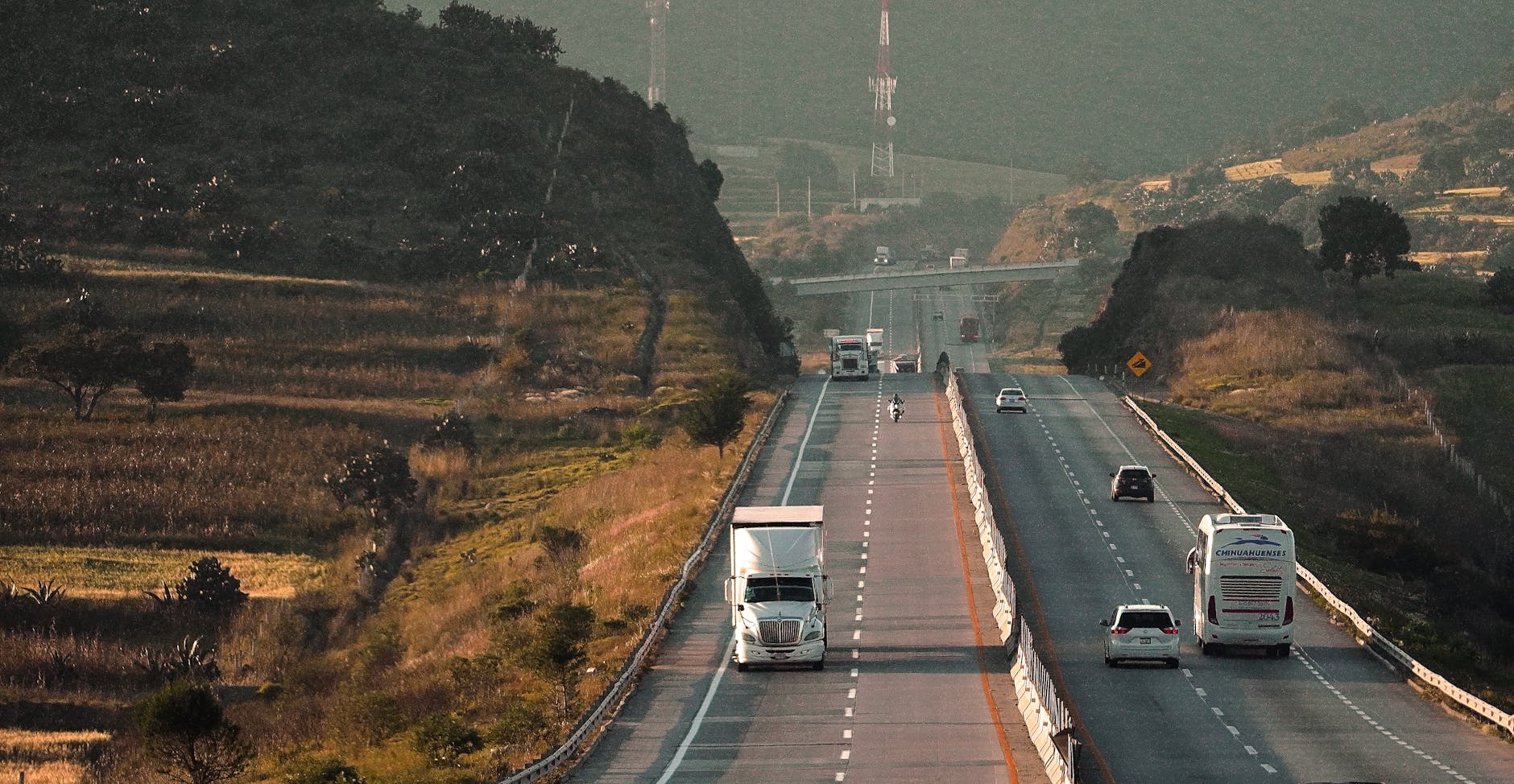
CDL-A drivers, OTR drivers, and owner-operators across the country should brace for a massive surge in freight volume as shippers frantically pivot away from the railways to secure highway capacity. This sudden shift will likely strain terminal efficiency and tighten spot market rates as shippers scramble to move stranded intermodal freight via motor carriers. Fleet managers and independent owner-operators running regional and long-haul routes must anticipate heavy congestion around major rail-intermodal hubs as supply chains absorb the shock of diverted rail cargo. Trucking companies hiring right now will see heightened demand for qualified drivers to step in and bridge the transportation gap caused by rail paralysis.
Industry Reaction
Major shipping and retail stakeholders have aggressively lobbied the White House and congressional leaders to maintain contingency plans, urging federal intervention if collective bargaining fails completely. Rail management continues to assert that previous adjustments to pay scales and short-term disability programs adequately address employee welfare, whereas labor representatives insist that the COVID-19 pandemic laid bare the urgent necessity of dedicated paid sick leave. As December approaches and strike deadlines loom, the standoff highlights the deep friction between legacy rail operating models and the modern workforce's demand for basic scheduling predictability.
Key Points
- Rail conductors voted down their tentative labor agreement while engineers approved theirs, fracturing union solidarity.
- All 12 rail unions must ratify their agreements to legally prevent a nationwide freight strike.
- Persistent disagreements over paid sick time and rigid scheduling practices remain the central sticking points in negotiations.
- Congress holds the power to intervene and legally impose contract terms if a final settlement cannot be reached.
Looking for a better trucking job? US Trucker's free job-matching service connects CDL-A drivers, OTR drivers, regional drivers, and owner-operators with 500+ top US carriers. Leave your details in the form on this page and a recruiter will call you within one business day. Trucking companies are hiring now.
Photo by Bruno Rodriguez on Pexels