Raiford, Florida — Opal Fuels has officially completed the ramp-up phase of its new renewable natural gas (RNG) facility located at the New River Solid Waste Association (NRSWA) municipal landfill. This site marks the first instance in Florida where biogas captured from decomposing organic waste has been refined into transportation-ready RNG. The facility transforms methane from the landfill into a low-carbon fuel that feeds directly into the state’s distribution network, creating a tangible shift in how fuel is sourced for the region's transportation sector.
The significance of this development lies in its potential to replace diesel in heavy-duty applications. By utilizing a vertical integration model that spans from production to distribution, Opal Fuels aims to provide a cost-effective fuel solution that eliminates Scope 1 and Scope 2 emissions for its customers. The RNG produced here will be delivered through Peoples Gas, Florida’s largest natural gas distribution utility, which serves approximately 445,000 homes and businesses. This infrastructure connection ensures that the fuel is readily available for commercial vehicles, offering a practical alternative for fleets seeking to lower their carbon footprint without sacrificing operational reliability.
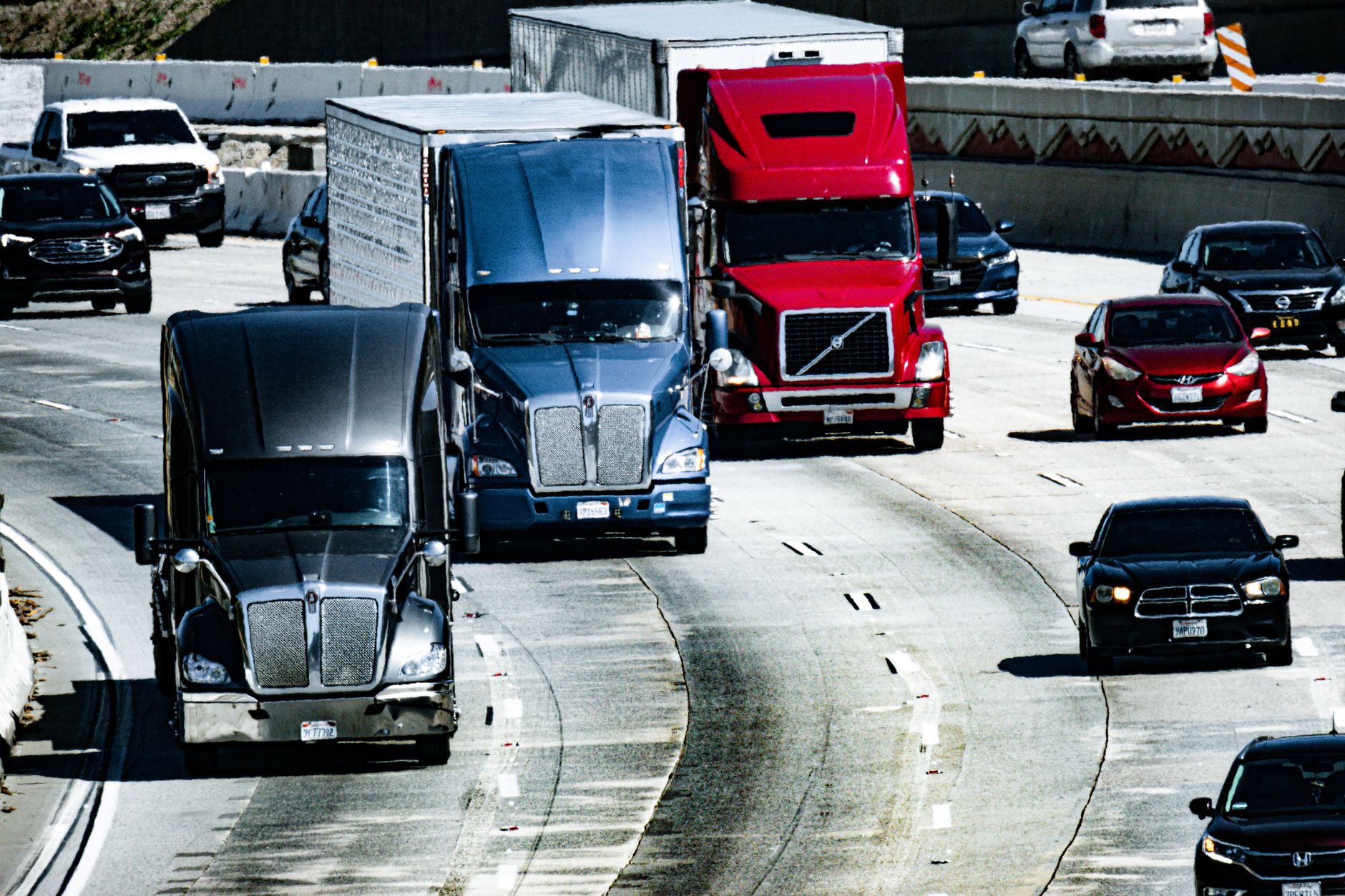
The facility is projected to generate approximately 5 million gasoline gallon equivalent (GGE) of RNG annually. If this volume were used to replace diesel fuel, it would offset the greenhouse gas emissions produced by roughly 380 heavy-duty trucks. Environmental data associated with the biogas refining process indicates a dramatic reduction in pollutants, with carbon dioxide output dropping by an estimated 95%. Additionally, nitrogen oxide and carbon monoxide levels are reduced by 90%, while sulfur oxide production sees a 98% decrease. These figures underscore the environmental benefits of transitioning to RNG as a primary fuel source for commercial transportation.
What This Means for Drivers
For CDL-A drivers and owner-operators, the availability of RNG in central Florida opens new avenues for fuel efficiency and environmental compliance. Fleets that adopt this fuel source can claim zero Scope 1 and 2 emissions, a metric that is increasingly important for corporate clients and regulatory standards. The cost savings associated with RNG, as highlighted by Opal Fuels, may translate into lower operating costs for owner-operators, potentially improving margins in a tight market. Furthermore, the presence of this facility signals a broader trend in the industry toward cleaner fuel options, which could influence future FMCSA regulations and state-level mandates regarding emissions.
Industry Reaction
Local officials and industry leaders have expressed strong support for the project’s launch. Adam Comora, co-CEO of Opal Fuels, emphasized that the partnership with NRSWA creates new revenue streams and jobs for the county while providing cost savings to customers. Perry Kent, executive director of NRSWA, noted that this project is a crucial step toward making the New River facility a fully sustainable solid waste treatment center. The success of this facility may encourage other trucking companies to explore RNG as a viable alternative to diesel, particularly in regions with existing natural gas infrastructure. As more sustainable fuel options become available, the competitive landscape for OTR truck driver jobs may shift, with carriers prioritizing those who can operate on cleaner fuels.
Key Points
- The Raiford facility is the first in Florida to convert landfill gas into transportation-ready RNG.
- Annual production is estimated at 5 million GGE, offsetting emissions from 380 heavy-duty trucks.
- Emissions reductions include a 95% drop in CO2, 90% in NOx, and 98% in SOx.
- The fuel is distributed via Peoples Gas, serving 445,000 customers in Florida.
Looking for a better trucking job?
Photo by David Brown on Pexels