Oklahoma City, Oklahoma — A trucker’s recent pre‑trip inspection saved a major loss when a windshield wiper failed on a rainy night.
In the trucking world, a single mechanical fault can turn a routine run into a costly detour. The source article lists common emergencies: a dead headlight in the dark, a blown tire, or a malfunctioning wiper that cuts visibility. These scenarios underline why a thorough pre‑trip check is more than a formality; it is a safety protocol that protects drivers, cargo, and the bottom line.
According to the National Highway Traffic Safety Administration, three factors drive tire failures: exceeding the tire’s speed rating, using tires beyond their recommended replacement date, and overloading the front axle. The same NHTSA data, released in 2023, warns that neglecting these variables can lead to sudden blowouts that jeopardize driver safety. The article also stresses the importance of inspecting the air system and checking for leaks in hoses, a step that can prevent expensive repairs later on the highway.
What This Means for Drivers
CDL‑A drivers and owner‑operators must verify that all lights—headlights, brake lights, turn signals, and trailer lamps—are functioning before leaving the depot. An oil level check, which can be done at home, ensures engine health and avoids unexpected failures. Brakes demand particular attention; any unusual noise during braking should trigger a deeper inspection. Air system checks and tire pressure readings are mandatory, and drivers should look for cracks, cuts, or abnormal bulges on each tire. Keeping an emergency kit—blanket, flashlight, hazard triangles, and a first aid kit—provides a safety net for roadside incidents.
Industry Reaction
Many carriers now mandate pre‑trip inspections in line with FMCSA regulations, which require daily checks before each trip. Fleet managers report a noticeable drop in roadside breakdowns after adopting standardized checklists. Owner‑operators who follow these guidelines find fewer insurance claims and smoother compliance with safety audits. Trucking companies hiring new CDL‑A drivers emphasize the importance of a disciplined inspection routine in their onboarding programs.
Key Points
- Verify all lights—headlights, brake lights, turn signals, and trailer lamps—before departure.
- Check oil level and change oil at home if needed to keep the engine running.
- Inspect brakes for unusual noises and ensure air system hoses are intact.
- Maintain tire pressure, look for damage, and replace tires before tread wears below safe limits.
Looking for a better trucking job? US Trucker's free job‑matching service connects CDL‑A drivers, OTR truck drivers, regional drivers, and owner‑operators with 500+ top US carriers. Leave your details in the form on this page and a recruiter will call you within one business day. Trucking companies are hiring now.
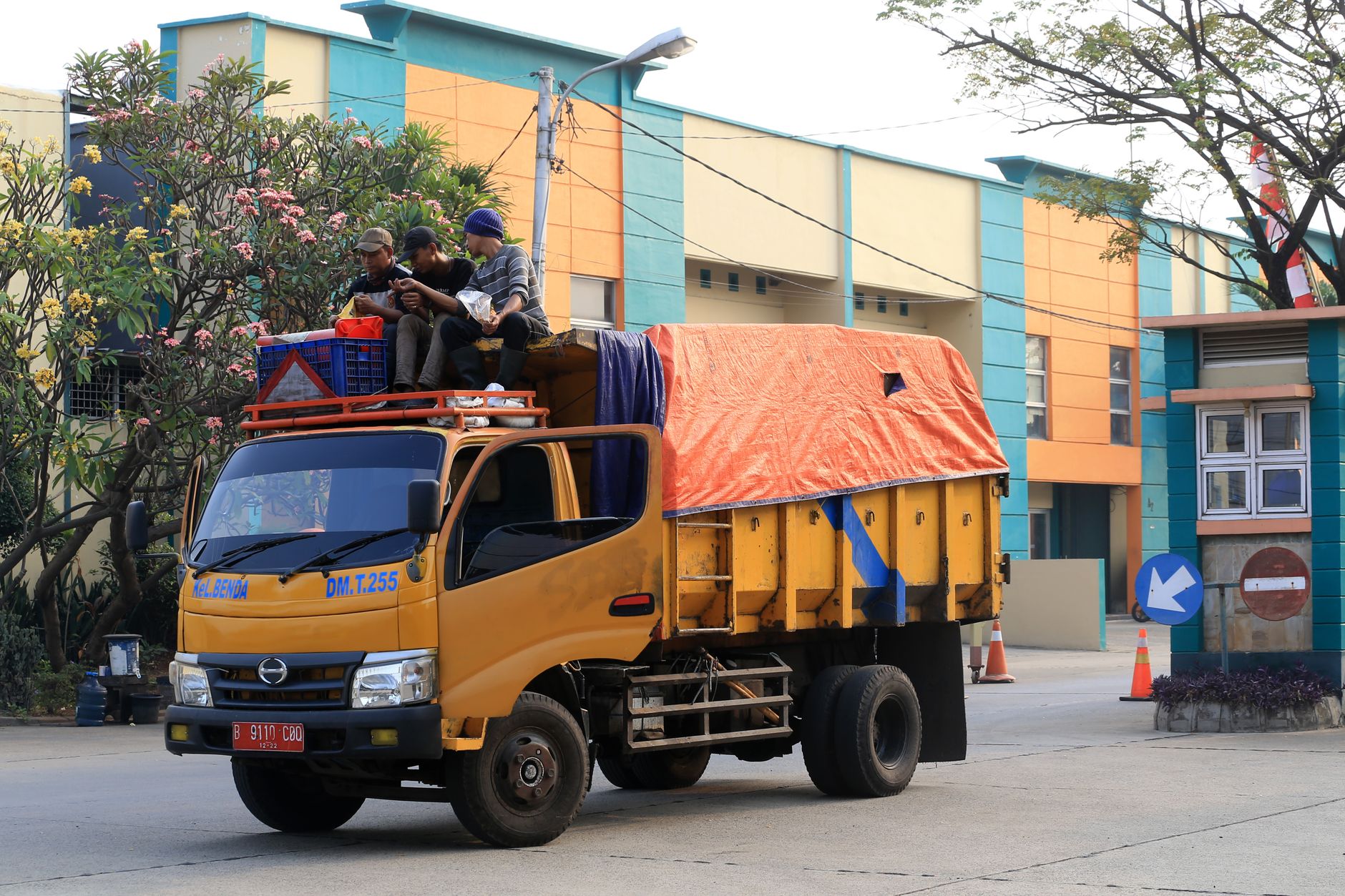
Photo by Jeffry Surianto on Pexels