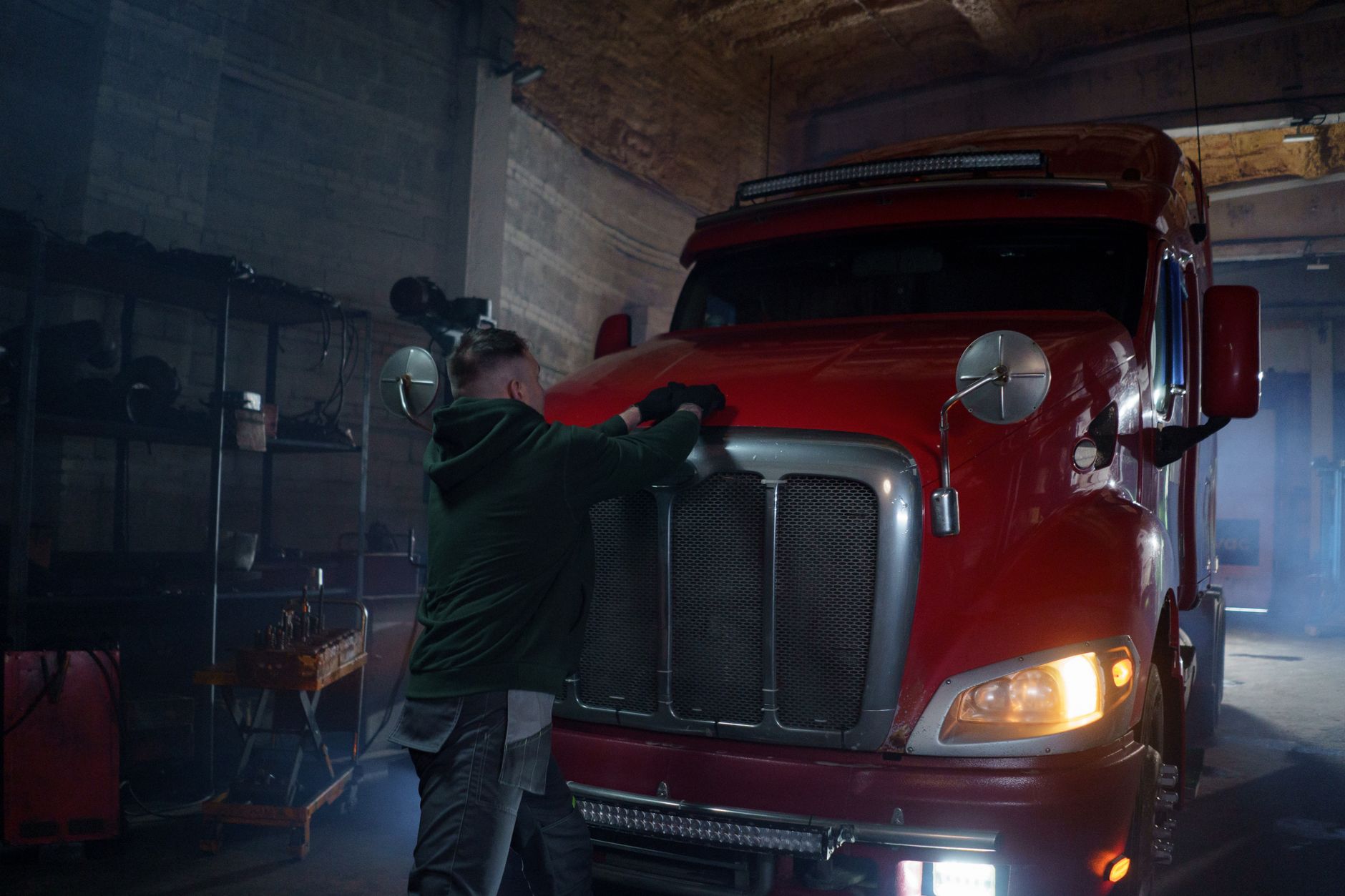
Denton, Texas — Peterbilt has officially integrated the updated PACCAR MX-13 powerplant into its heavy-duty vocational and highway lineup, giving operators a direct path to compliance with stringent California Air Resources Board rules. Fleets can now specify the emissions-compliant diesel engine across three core truck platforms: the aerodynamic Model 579, the rugged Model 567, and the classic styled Model 589. This rollout targets the strict nitrogen oxide limits enforced under the CARB Omnibus Regulation, requiring manufacturers to deploy advanced hardware to drastically slash tailpipe emissions without sacrificing highway performance.
To hit those lower emissions thresholds, engineers rebuilt key internal hardware and updated the entire aftertreatment system. The updated configuration features a larger volume mixer paired with an extended selective catalytic reduction catalyst to optimize chemical treatment of exhaust gases. Peterbilt also integrated a higher-capacity twin aftertreatment assembly that houses a 48-volt generator directly inside the flywheel housing, alongside an electrical inlet heater designed to drive down NOx output during low-speed operation and cold starts. A tougher NOx sensor rounds out the package, built specifically to extend service intervals and maximize daily fleet uptime.
Despite the complex emissions hardware bolted onto the chassis, the engine retains the trademark flat torque curve preferred by long-haul truckers and heavy haulers alike. Buyers have two distinct power ratings to choose from depending on their operational profile. The high-output variant pushes 510 horsepower and 1,850 pound-feet of torque for heavy loads and challenging terrain, while the efficiency-focused configuration delivers 455 horsepower and 1,650 pound-feet of torque, optimized to pull efficiently in the 900 to 1,325 RPM sweet spot. Scott Newhouse, Peterbilt’s chief engineer, noted that the updated diesel maintains the quiet, reliable packaging drivers expect while cutting the carbon footprint of transport operations.
What This Means for Drivers
CDL-A drivers and independent owner-operators hauling freight into California must navigate a shifting regulatory landscape where older equipment faces severe operational restrictions. Operating compliant iron ensures uninterrupted access to high-paying West Coast shipping lanes and major port facilities without triggering roadside enforcement flags or hefty state penalties. Fleets modernizing their equipment with these updated PACCAR powerplants benefit from improved fuel economy and a broader usable RPM range, keeping driver fatigue down during grueling long-distance pulls. For OTR truck driver professionals and regional haulers, having reliable aftertreatment hardware that resists frequent clogging means fewer unexpected trips to the shop and more miles on the odometer.
Industry Reaction
Heavy-duty equipment manufacturers face mounting pressure to balance tightening state-level environmental mandates with the raw durability demands of commercial trucking. California emissions rules continue to serve as the baseline for nationwide fleet purchasing decisions, pushing OEMs to engineer complex thermal management systems and 48-volt electrical architectures into conventional diesel trucks. Carriers evaluating new equipment purchases must weigh the higher upfront cost of advanced aftertreatment hardware against the operational necessity of running legal freight through the nation's busiest economic corridors.
Key Points
- Peterbilt's CARB-compliant PACCAR MX-13 is available to order for Models 579, 567, and 589.
- Engine hardware includes a larger volume mixer, longer selective catalytic reduction, and a durable NOx sensor.
- The aftertreatment system utilizes a 48-volt generator in the flywheel housing and an electric inlet heater.
- Power configurations range from an efficiency option at 455 hp to a high-performance 510 hp variant.
Looking for a better trucking job? US Trucker's free job-matching service connects CDL-A drivers, OTR drivers, regional drivers, and owner-operators with 500+ top US carriers. Leave your details in the form on this page and a recruiter will call you within one business day. Trucking companies are hiring now.
Photo by cottonbro studio on Pexels