Harrisburg, Pennsylvania — Professional truck drivers navigating the Northeast find no shortage of varied freight sectors active across the Keystone State, spanning everything from high-volume distribution to specialized manufacturing transport. Pennsylvania continues serving as a central hub because multiple freight segments run simultaneously within its borders. CDL-A drivers seeking stable employment or owner-operators looking to pivot their hauling strategies will find distinct regional advantages depending on the type of freight they choose to pull. Rather than forcing operators into a single category, the state's geography supports dedicated retail, less-than-truckload networks, heavy flatbed hauling, and regional refrigerated transport.
Central Pennsylvania anchors much of the retail and consumer goods movement, particularly through the dense warehouse corridors surrounding Harrisburg, Carlisle, York, and Lancaster. Large distribution facilities maintain a constant flow of inventory throughout the Mid-Atlantic region. Drivers securing dedicated retail assignments benefit from repeated customer locations and more predictable weekly route planning, though peak holiday seasons regularly tighten appointment windows and ramp up dispatch pressure. Meanwhile, the eastern and western population centers maintain heavy activity in other niches.
Metropolitan areas like Philadelphia, Pittsburgh, Allentown, Bethlehem, and Reading drive continuous demand for local delivery, beverage distribution, and food service runs. These local positions often require heavy physical unloading and tight urban navigation. Concurrently, the state's industrial base keeps flatbed carriers busy hauling steel, machinery, and construction materials. Tanker and fuel hauling operations remain clustered near refinery-connected zones in Philadelphia, Pittsburgh, and Scranton, requiring specialized safety compliance and experienced CDL-A holders.
What This Means for Drivers
CDL-A drivers evaluating career moves in Pennsylvania gain significant flexibility due to the state's diverse industrial mix. Operators can transition from dry van hauling into specialized flatbed work or move from long-haul OTR routes into dedicated regional accounts without needing to relocate. While local and LTL positions often involve rigorous dock work, night driving, and navigating dense Northeast traffic, they offer structured schedules that appeal to drivers wanting more predictable home time.
Industry Reaction
Industry analysts note that regional freight resilience in states like Pennsylvania helps buffer carriers against broader national shipping fluctuations. Trucking companies hiring in the region frequently emphasize the need for versatile drivers who possess strong safety records, proper endorsements for tanker work, or valid securement skills for flatbed assignments. Fleets operating in the Northeast continue adapting to persistent warehouse wait times by refining detention policies to keep drivers productive.
Key Points
- Dedicated retail freight remains concentrated in Central Pennsylvania around Harrisburg, Carlisle, and York.
- LTL and linehaul networks stay active in major hubs including Pittsburgh, Allentown, and Philadelphia.
- Flatbed demand is sustained by strong manufacturing, steel, and construction markets across multiple regions.
- Tanker and fuel hauling operations offer specialized opportunities near refinery zones for experienced CDL holders.
Looking for a better trucking job? US Trucker's free job-matching service connects CDL-A drivers, OTR drivers, regional drivers, and owner-operators with 500+ top US carriers. Leave your details in the form on this page and a recruiter will call you within one business day. Trucking companies are hiring now.
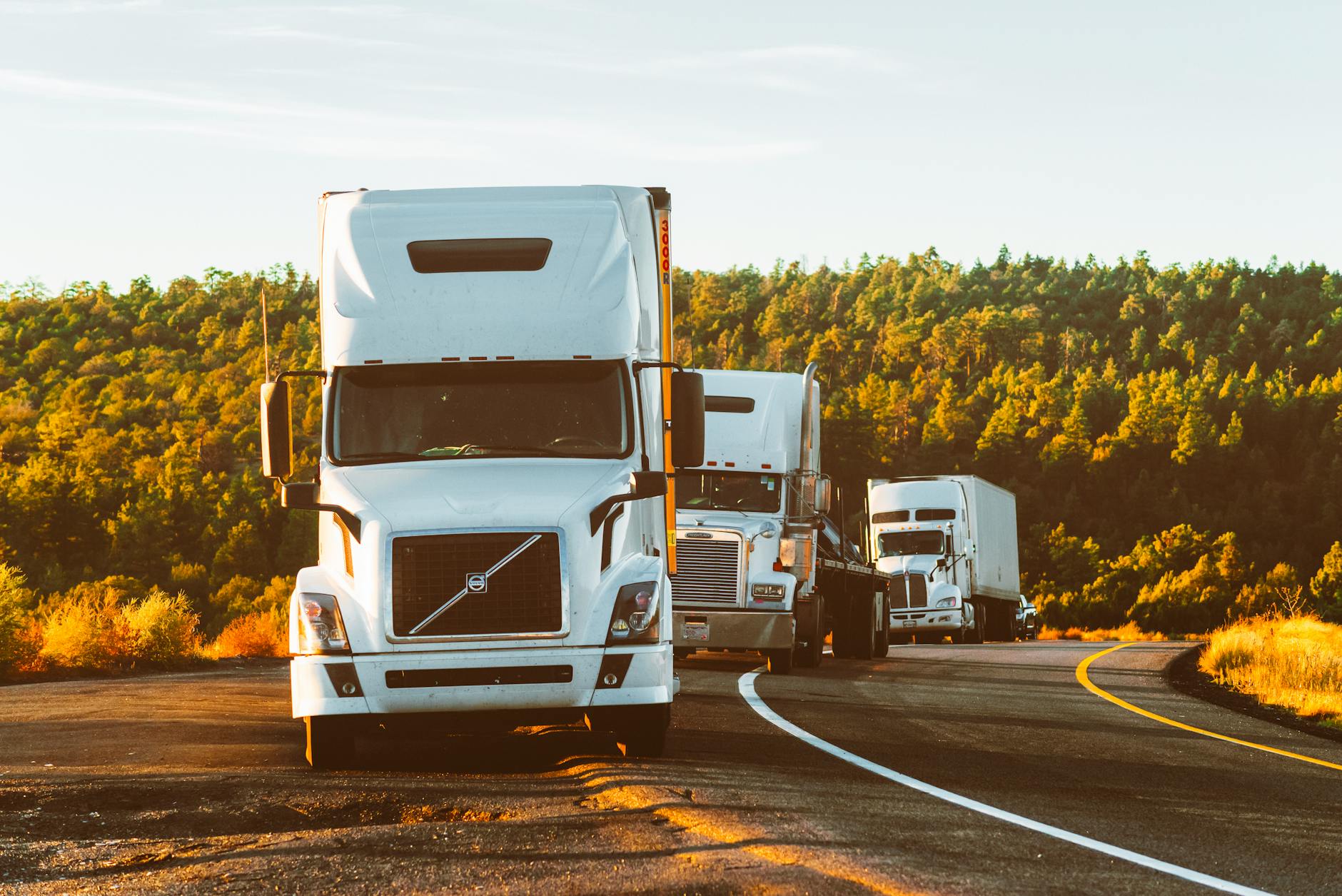
Photo by Quintin Gellar on Pexels