Dallas, Texas — In August, the Texas Department of Transportation announced a new set of permits that will allow more truckers to haul oversized loads across the state, a move that could boost earnings for owner‑operators and OTR drivers alike.
Oversized load trucking moves beyond the ordinary 80‑foot, 80‑ton limit set by FMCSA regulations. The industry carries heavy machinery, prefabricated buildings, and other bulky items that require specialized lowboy trailers, extendable platforms, and often escort vehicles. The FMCSA reports that roughly 12% of all commercial truckloads exceed the standard dimensions, a figure that has been steadily climbing as construction and manufacturing demand rises.
According to a 2024 report by the American Trucking Association, shipments of oversized cargo grew 18% year‑over‑year, with the average freight weight hitting 75,000 pounds. Lowboy trailers now average $120,000 each, and the cost of a single oversized load permit can reach $2,000. Companies such as Penske Logistics and J.B. Hunt have already begun offering dedicated teams for these jobs, citing the higher rates and the steady stream of work as key drivers for expansion.
What This Means for Drivers
CDL‑A holders looking to diversify must be prepared for a steep learning curve. Specialized training programs cover load securement, route planning, and the use of dynamic GPS systems that alert drivers to bridge heights and weight limits. Owner‑operators will need to invest in heavy‑duty trucks and lowboy trailers, with maintenance costs that can double the operating budget of a standard haul. However, the pay premium is real; rates for oversized loads can be 30–40% higher than regular freight, turning a 100‑mile run into a $2,000 haul instead of $1,300.
Escort requirements add another layer of logistics. Drivers must coordinate with state police or local law enforcement for route clearance, often scheduling runs months in advance. The extra paperwork—permit applications, weight certificates, and escort agreements—means that time off the road can increase, but the financial upside often offsets the added administrative burden.
Industry Reaction
Carriers have responded with a mix of enthusiasm and caution. J.B. Hunt’s logistics division announced in September that it will expand its oversized load fleet by 15% in 2026, citing a “steady uptick in demand from the construction sector.” Meanwhile, the Owner‑Operator Association highlighted that while earnings are higher, the risk profile also rises, urging drivers to pursue formal safety courses and to stay current on FMCSA regulations. Trucking companies hiring now are actively seeking drivers with a background in heavy haul or those willing to complete the necessary training.
Key Points
- Oversized load trucking can increase earnings by up to 40% compared to standard freight.
- FMCSA regulations require special permits, escort vehicles, and rigorous load securement procedures.
- Lowboy trailers and extendable platforms cost between $100,000 and $150,000, with maintenance budgets that can double traditional truck costs.
- The industry saw an 18% growth in oversized shipments in 2024, reflecting rising demand in construction and manufacturing.
Looking for a better trucking job? US Trucker's free job‑matching service connects CDL‑A drivers, OTR drivers, regional drivers, and owner‑operators with 500+ top US carriers. Leave your details in the form on this page and a recruiter will call you within one business day. Trucking companies are hiring now.
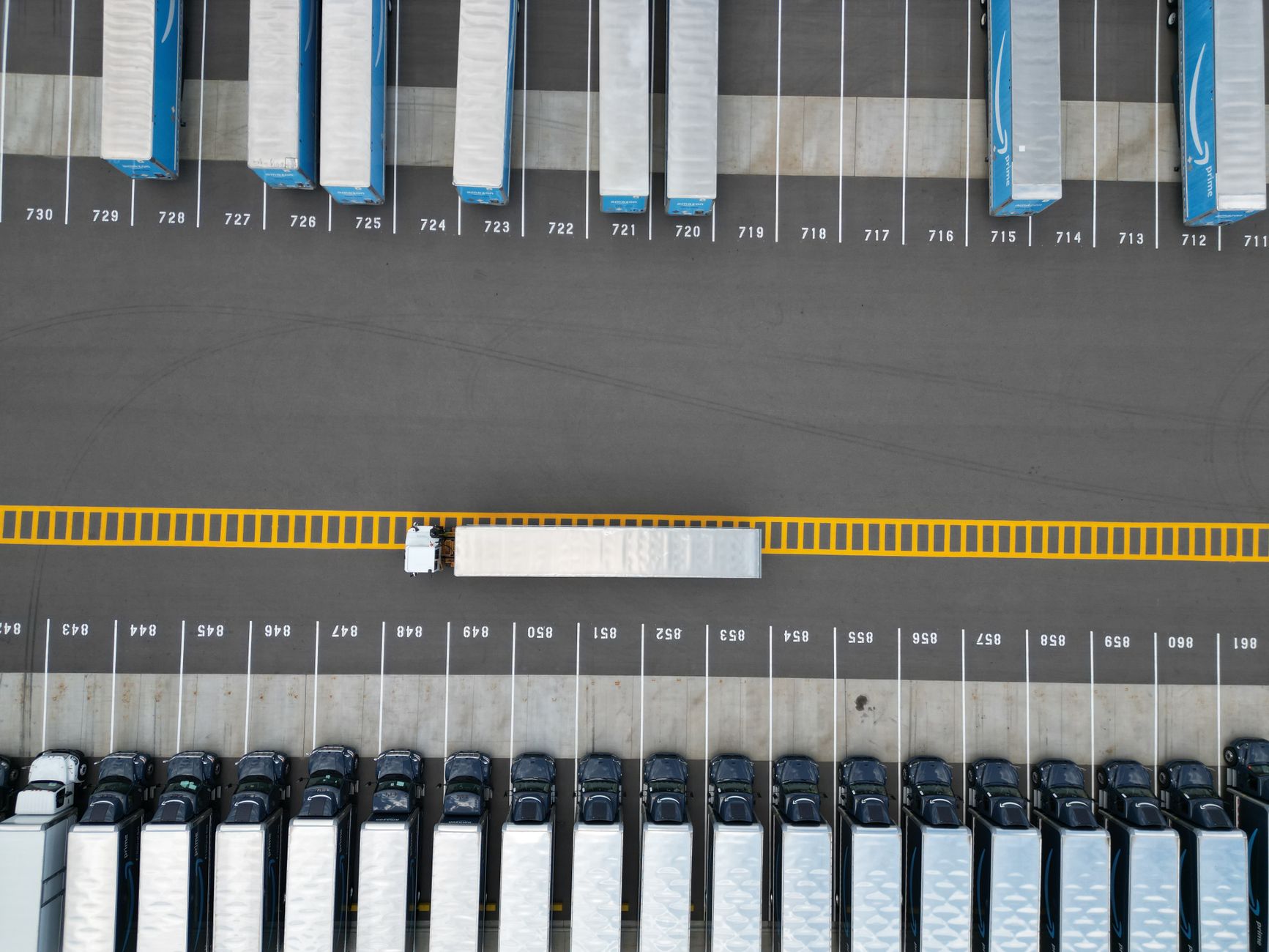
Photo by Giant Asparagus on Pexels