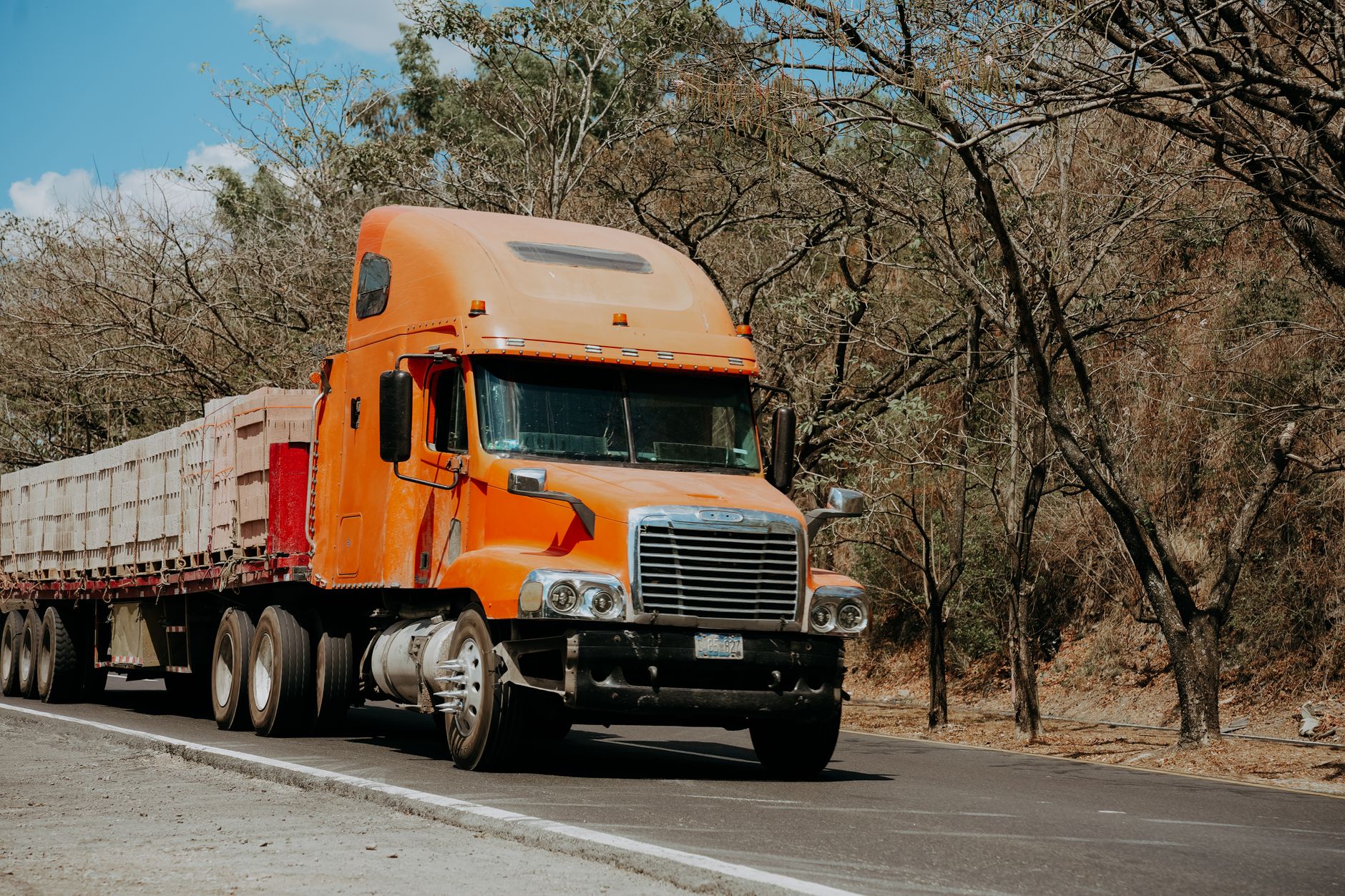
Columbus, Ohio — Ohio's dense network of manufacturing plants, retail distribution hubs, and warehouse operations in cities like Cleveland, Cincinnati, and Toledo creates constant demand for commercial drivers. However, securing a Commercial Driver's License (CDL) in this state involves more than simply passing a road test. New entrants must navigate complex federal and state licensing protocols, including Entry Level Driver Training (ELDT) through FMCSA-approved providers, to legally operate heavy vehicles.
The state’s freight corridors require drivers to meet specific age and medical standards before they can even apply for a learner’s permit. Applicants driving within Ohio state lines must be at least 18 years old, while those intending to cross state borders or handle hazardous materials must be 21. These federal thresholds align with strict vision and health criteria enforced by the Ohio Bureau of Motor Vehicles. Many aspiring drivers underestimate the bureaucratic weight of these initial steps, leading to costly delays in their career launch.
A critical distinction that trips up many candidates is the difference between Class A and Class B licenses. A Class A CDL permits the operation of tractor-trailers and combinations where the trailer weighs over 10,000 pounds, the standard for most over-the-road (OTR) and long-haul freight. Class B licenses, conversely, cover straight trucks, dump trucks, and buses. Choosing Class B for faster training often backfires, as higher-paying OTR truck driver positions and specialized freight like flatbed or tanker work exclusively require Class A credentials. This oversight forces drivers to pay for additional training later, eroding potential earnings.
What This Means for Drivers
Medical certification is a frequent stumbling block that halts progress before training even begins. Drivers must obtain a Medical Examiner’s Certificate from a certified professional listed on the National Registry. Conditions such as sleep apnea, high blood pressure, or insulin-dependent diabetes can delay this process significantly. Experienced industry insiders recommend completing the DOT physical before enrolling in any CDL school to avoid wasting tuition on training that cannot be utilized due to medical restrictions. Furthermore, the choice of transmission during the skills test matters immensely. Testing on an automatic truck results in a restriction that prevents the driver from operating manual vehicles, limiting job options in niche sectors like heavy haul or agricultural transport where manual experience is still preferred.
Industry Reaction
While the source text highlights individual driver pitfalls, the broader industry context reflects a tightening regulatory environment. The Federal Motor Carrier Safety Administration has intensified scrutiny on entry-level training to improve safety records. Carriers are increasingly looking for drivers who arrive with not just a license, but also relevant endorsements like hazmat or tanker, which require separate fingerprinting and background checks through the Transportation Security Administration. This trend pushes new entrants to view their CDL as a base credential rather than a final destination, requiring strategic planning to remain competitive in a market where trucking companies hiring new drivers often demand immediate versatility. Resources like ustrucker.info emphasize that understanding these regulatory layers is as important as the driving skill itself.
Key Points
- Class A licenses are mandatory for most high-paying OTR and combination vehicle roles, while Class B limits drivers to straight trucks and local delivery.
- Drivers must pass a DOT physical with a certified examiner before starting training to avoid delays caused by untreated medical conditions like sleep apnea or hypertension.
- Testing on automatic transmission trucks places a permanent restriction on the CDL, preventing operation of manual vehicles unless a retest is completed.
- Hazmat endorsements require federal fingerprinting and background checks, adding time and cost to the initial licensing process.
Looking for a better trucking job?
Photo by Tony Rojas on Pexels