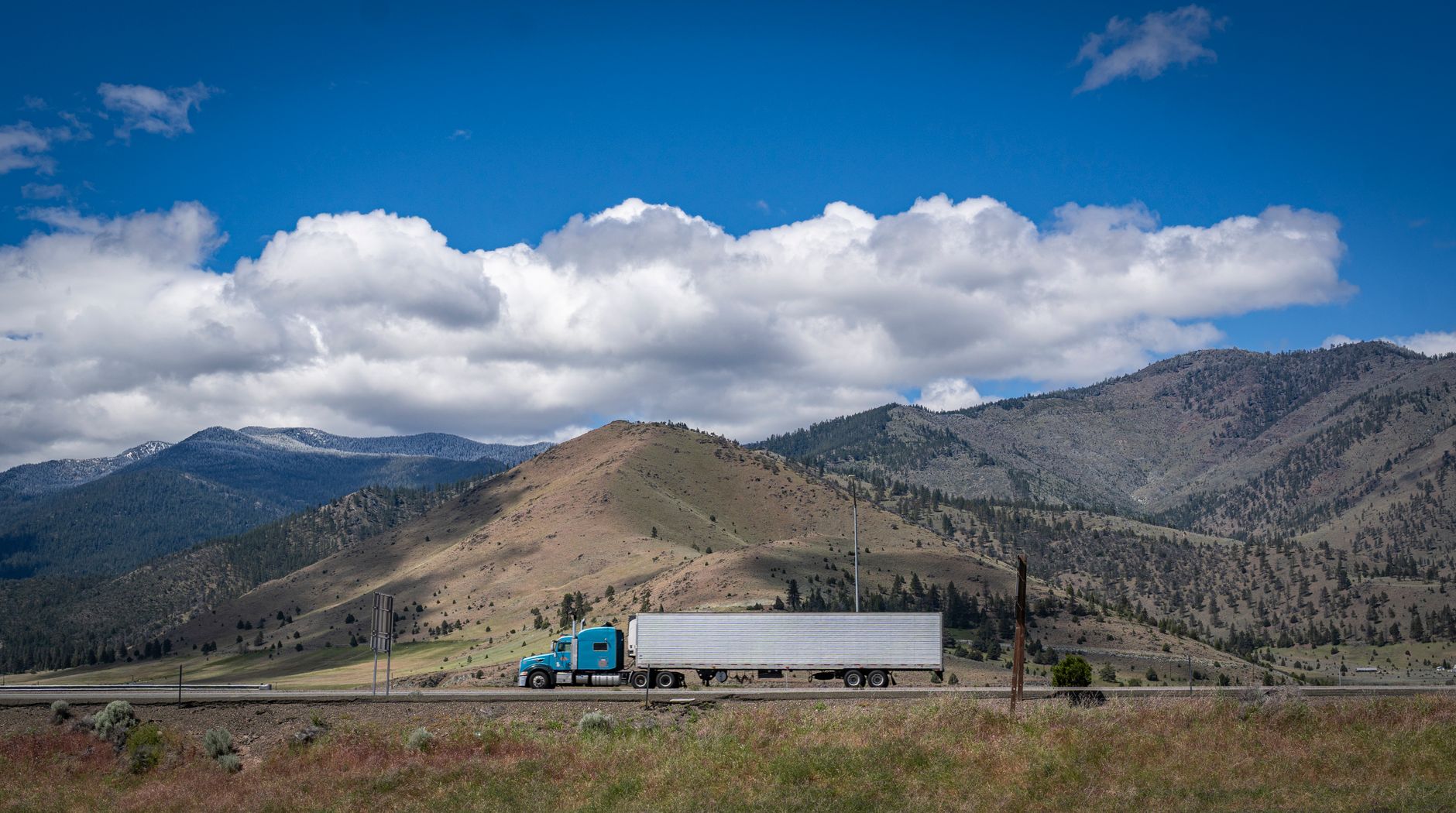
WASHINGTON, D.C. — The National Highway Traffic Safety Administration (NHTSA) is currently facing intense pushback following an Advance Notice of Proposed Rulemaking (ANPRM) that suggests mandating side underride guards on all commercial trailers. While the agency frames the initiative as a safety enhancement, professional drivers and industry advocates warn that the hardware poses a significant, unaddressed risk to equipment and public safety at highway-rail grade crossings.
Operational reality for the average CDL-A driver involves navigating infrastructure that was never designed for the added bulk of side guards. The proposal has already generated over 2,000 comments on the Federal Register, with many contributors highlighting that the agency failed to consider how these guards would perform on sloped surfaces, steep loading docks, or uneven rail crossings. There is a widespread consensus among veteran operators that these guards will likely snag or scrape, effectively disabling trailers in high-traffic zones and creating new, avoidable hazards.
The economic and safety data provided in the ANPRM itself has left many industry experts questioning the agency's logic. NHTSA estimates the mandate could cost the trucking industry roughly $73 million for every single life saved, a figure derived from a $1 billion total price tag aimed at preventing only 17 fatalities. With the Federal Railroad Administration (FRA) reporting over 2,000 highway-rail crossing collisions in 2022 and over 30,000 complaints regarding blocked crossings, the industry warns that forcing trailers to carry lower-hanging guards will only exacerbate these statistics by increasing the frequency of high-centering incidents.
What This Means for Drivers
Owner-operators are particularly concerned about the loss of utility and increased liability. Flatbed drivers, such as Norman Lassen, have pointed out that storage space for dunnage and V-boards would disappear, forcing equipment onto the trailer deck where it is susceptible to theft and reduces available cargo capacity. Furthermore, drivers fear they will be held personally or professionally liable for accidents caused by these guards when they inevitably get hung up on poorly designed infrastructure, especially since federal and state sovereign immunity often protects the agencies responsible for the road conditions themselves.
Industry Reaction
The Owner-Operator Independent Drivers Association (OOIDA) and the Truck and Trailer Manufacturers Association (TTMA) have both formally challenged the feasibility of the mandate. The TTMA explicitly stated that current guard designs will increase the risk of trailers becoming stuck at rail crossings, potentially leading to catastrophic collisions with trains. These organizations argue that the risk introduced by the mandate likely outweighs any potential safety benefits, urging the NHTSA to reconsider its current path and prioritize practical, real-world operational challenges over theoretical safety gains.
Key Points
- NHTSA estimates the mandate will cost the industry approximately $73 million per life saved.
- The FRA does not provide clearance height data for rail crossings, leaving the burden of safety entirely on the driver.
- Intermodal chassis require a specific exemption, as the current stacking practices would be physically impossible with side guards installed.
- Drivers face increased fuel consumption, higher maintenance costs, and potential liability for infrastructure-related damage caused by the guards.
Looking for a better trucking job? US Trucker's free job-matching service connects CDL-A drivers, OTR drivers, regional drivers, and owner-operator professionals with 500+ top US carriers. Leave your details in the form on this page and a recruiter will call you within one business day. Trucking companies are hiring now.
Photo by Laszlo Magyar on Pexels