Olympia, Washington — Commercial motor vehicle operators moving freight through the Pacific Northwest face a strict regulatory landscape designed to safeguard local infrastructure against premature wear and tear. State departments of transportation across the region enforce rigorous dimensional limits on length, width, height, and gross vehicle weight. CDL-A drivers running these corridors must constantly verify state maps and corridor designations to avoid heavy fines and costly route deviations.
The Washington State Department of Transportation maintains aggressive oversight on arterial routes and bridges. Municipalities throughout the state frequently bar heavy commercial traffic from residential zones and downtown thoroughfares. Interstate 5 and Interstate 90 serve as primary commercial arteries, yet terminal access and final-mile deliveries often demand strict adherence to local truck route maps. Haulers operating oversized or overweight configurations must secure appropriate permits before entering restricted jurisdictions.
Heading south across the Columbia River introduces a parallel set of operational challenges enforced by the Oregon Department of Transportation. Mountain passes present severe winter hazards, triggering mandatory tire chain laws or sudden highway closures that disrupt transit schedules. Portland and other urban centers enforce targeted truck bans on specific streets to mitigate congestion and preserve local asphalt. Owner-operators and fleet managers running regular loads through the region must check state data portals daily to track changing weight limits and seasonal restrictions.
What This Means for Drivers
Navigating the Pacific Northwest demands meticulous pre-trip planning from every OTR truck driver and regional hauler. Relying on standard consumer GPS units often leads commercial vehicles onto weight-restricted bridges or residential streets where turnaround options do not exist. Professional drivers should cross-reference official state transportation maps with commercial navigation tools specifically engineered for heavy trucks. Failing to account for seasonal mountain pass mandates in Oregon can result in catastrophic delays, safety violations, and lost revenue for independent operators.
Industry Reaction
Carrier networks and logistics providers operating in the Northwest continually press state agencies for clearer signage and better real-time digital feeds regarding route restrictions. Tightening municipal access rules squeeze profit margins for regional carriers trying to service urban distribution centers efficiently. As infrastructure ages, state departments of transportation are expected to increase weight checks and permit enforcement, keeping pressure on drivers to stay fully compliant with regional mandates.
Key Points
- Washington Department of Transportation enforces strict weight, height, and width limits to protect bridges and highways.
- Oregon mountain passes require adherence to seasonal winter regulations, including mandatory tire chains and potential closures.
- Major corridors like I-5 and I-90 offer reliable through-travel, but local delivery access remains heavily restricted.
- Urban centers such as Portland restrict commercial trucks on specific roadways to control traffic and reduce wear.
Looking for a better trucking job? US Trucker's free job-matching service connects CDL-A drivers, OTR drivers, regional drivers, and owner-operators with 500+ top US carriers. Leave your details in the form on this page and a recruiter will call you within one business day. Trucking companies are hiring now.
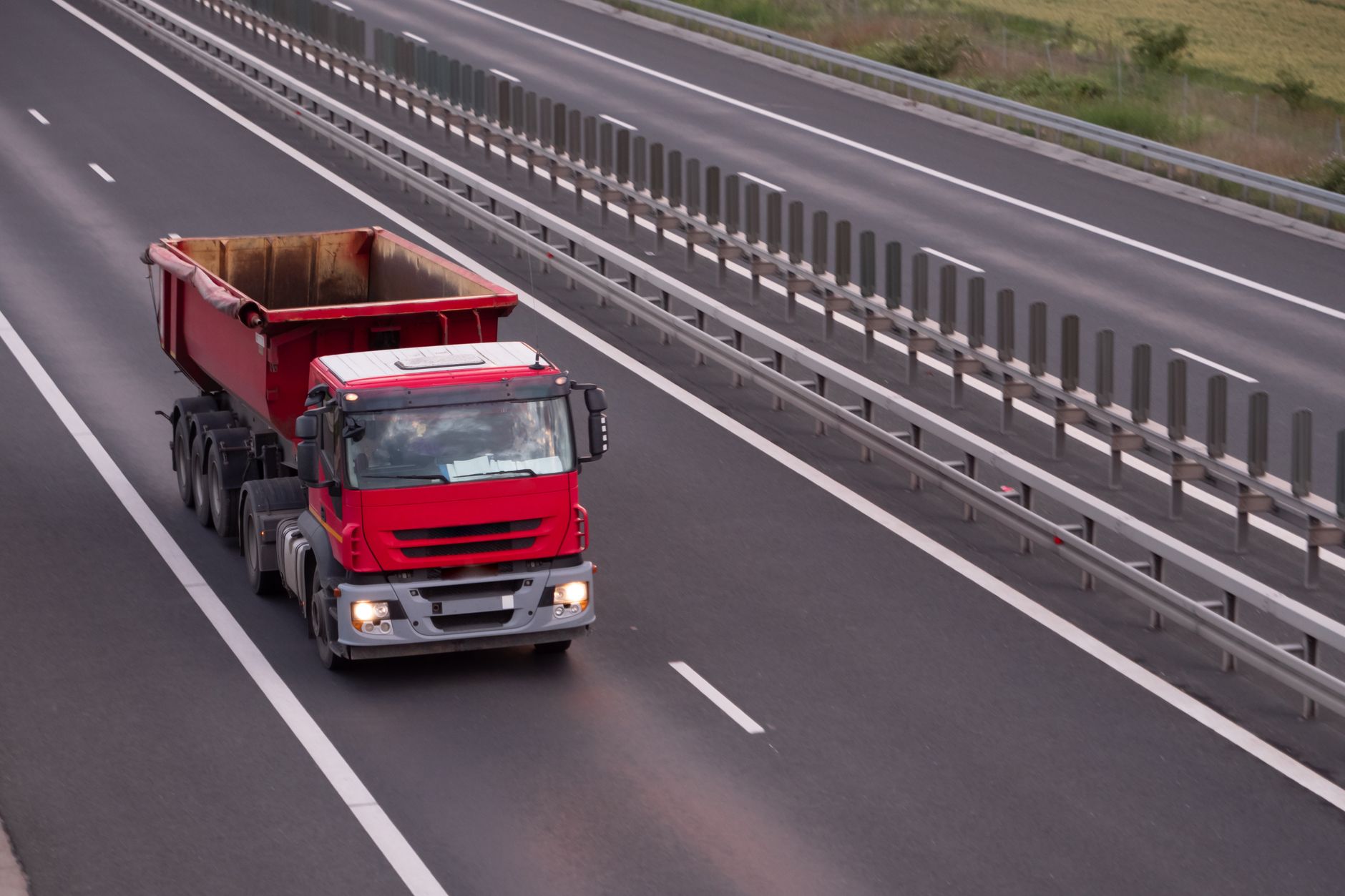
Photo by Adrian Frentescu on Pexels