Alexandria, Virginia — The less-than-truckload sector is getting a long-overdue tech upgrade as the National Motor Freight Traffic Association rolls out a standardized electronic bill of lading designed to drag paper-heavy freight operations into the digital age. Thirty companies have already signed on to the standard, kicking off a broad industry push to eliminate manual paperwork and speed up data transmission between shippers, carriers, and third-party logistics providers. Industry groups set a July deadline for members to adopt the API standard and operationalize it with at least one business partner.
For decades, the LTL market lagged behind other freight segments in adopting modern digital infrastructure, relying instead on physical paperwork that slows down billing, creates transcription bottlenecks, and delays network planning. Paul Dugent, executive director of the Digital LTL Council, points out that transitioning to an automated eBOL requires initial IT investments from stakeholders, but the long-term payoff far outweighs the setup costs. Carriers stand to trim up to 1.3 percent in direct administrative expenses, pushing total industry savings near $470 million once adoption hits critical mass.
Deeper operational efficiencies compound those savings when carrier systems ingest shipment data instantly rather than waiting for paper manifests to clear. Brian Thompson, chief commercial officer at SMC³, notes that real-time data ingestion cuts an additional 2 percent in operational costs by streamlining network optimization and advance planning, bringing potential industry-wide savings close to $1.2 billion. Project44 vice president of value engineering Christian Piller adds that manufacturers and distributors will see an individual shipment cost reduction of 2 to 4 percent through tighter network efficiency, fewer dwell times, and higher on-time performance.
What This Means for Drivers
CDL-A drivers and owner-operators running LTL freight stand to spend significantly less time parked at docks waiting for paperwork to clear. Automated eBOL systems transmit shipment details directly to back-office systems, cutting out the endless waiting on manual bill generation and signed manifest handoffs. Less administrative friction at pickup and delivery terminals means OTR drivers keep their wheels turning, reducing unpaid dwell time and improving overall daily productivity.
Industry Reaction
Industry stakeholders recognize that upgrading legacy paper systems is no longer optional if the freight sector wants to keep pace with modern supply chain demands. By committing to the digital pledge, carriers and 3PLs are betting that automated data streams will solve perennial invoicing disputes and human error issues. Trucking companies hiring tech-forward operators are finding that streamlined workflows attract efficient professionals who prefer managing loads via mobile devices rather than sorting through stacks of carbon-copy paperwork.
Key Points
- The National Motor Freight Traffic Association released a standardized electronic bill of lading to modernize the LTL sector.
- Thirty companies adopted the standard immediately following its launch.
- Carriers estimate cost savings up to 1.3 percent from administrative automation alone, with potential total savings reaching $1.2 billion.
- Shippers and distributors report projected per-shipment cost reductions between 2 and 4 percent.
Looking for a better trucking job? US Trucker's free job-matching service connects CDL-A drivers, OTR drivers, regional drivers, and owner-operators with 500+ top US carriers. Leave your details in the form on this page and a recruiter will call you within one business day. Trucking companies are hiring now.
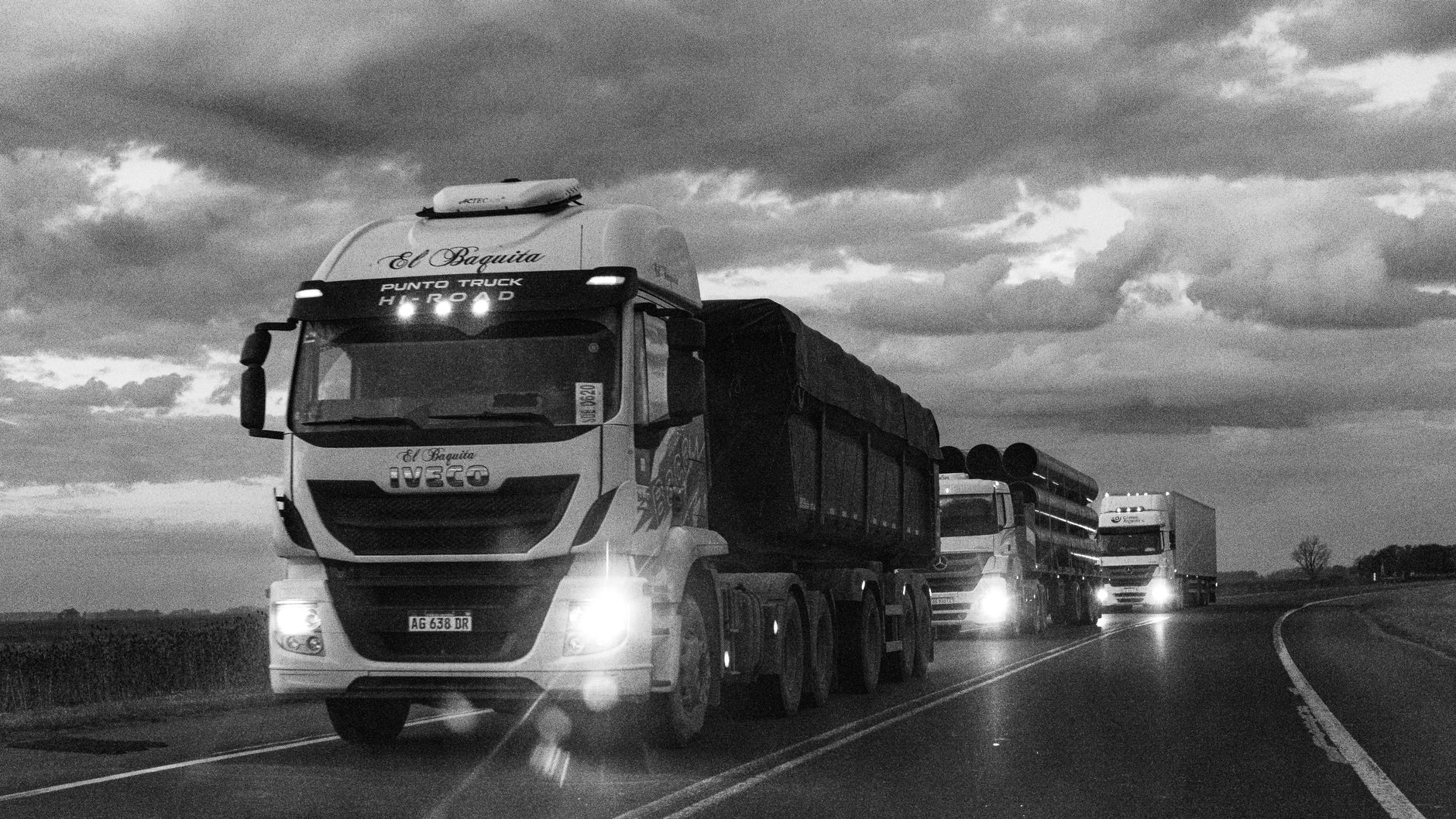
Photo by Alex Dos Santos on Pexels