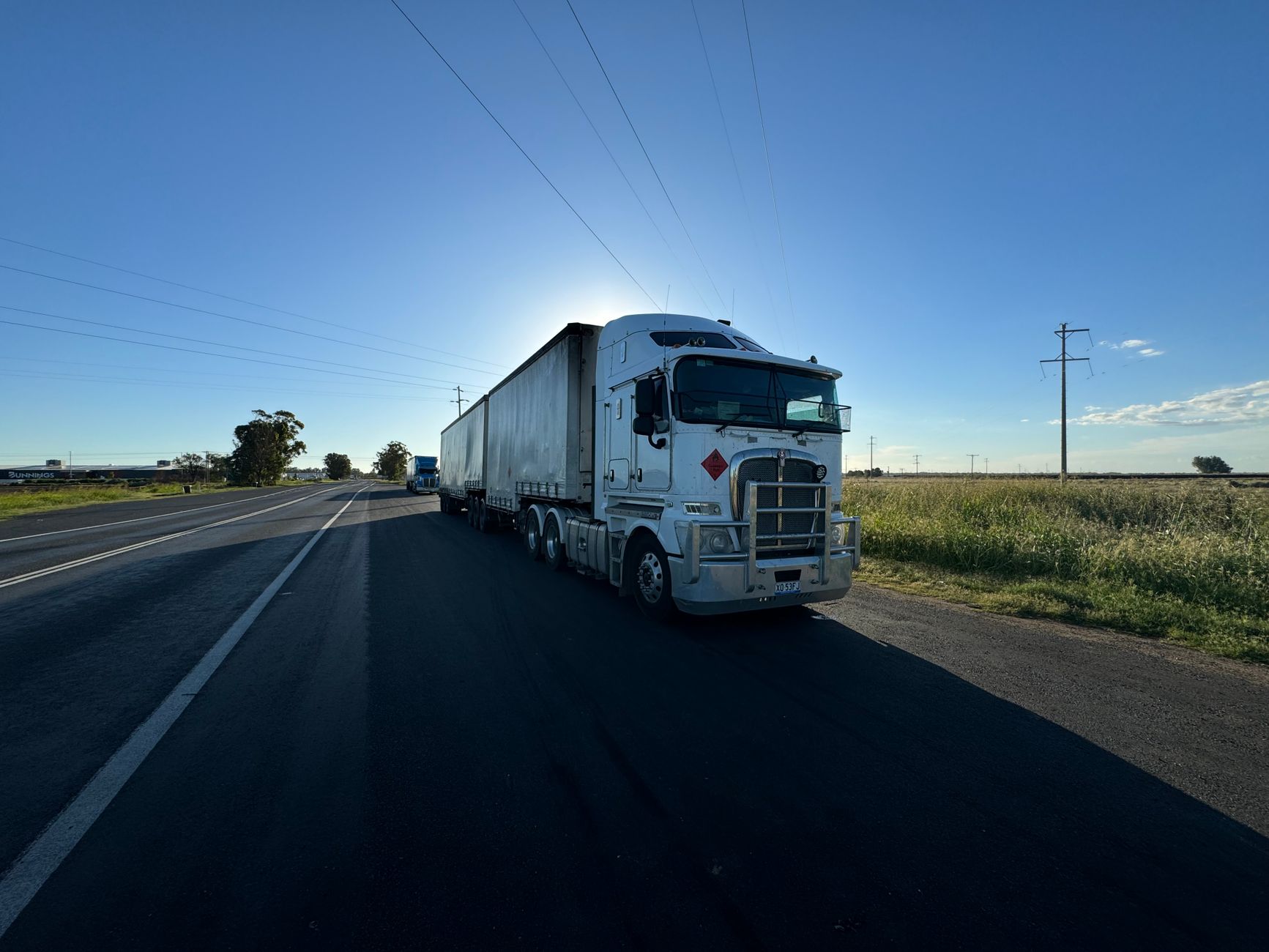
St. Louis, Missouri — Hugo Rolin, a veteran truck driver based in St. Louis, has returned to the driving seat after stepping away from the industry during a period of extreme labor scarcity. Rolin rejoined UPS, a move that underscores the evolving dynamics of the American trucking workforce. His return highlights how the intense pressures of the recent decade have reshaped career trajectories for many CDL-A drivers across the nation.
The backdrop to Rolin’s departure was a severe nationwide deficit in qualified drivers. The American Trucking Association reported in October 2021 that the United States was experiencing a shortage of 80,000 drivers. Industry projections at the time suggested this gap could widen to 160,000 within a decade. This scarcity created an environment where demand for freight far outstripped the available labor pool, placing immense strain on those already on the road. For many OTR truck drivers, the volume of work required to keep supply chains moving became unsustainable over time.
Rolin described the operational reality of that era in an interview with St. Louis on the Air. He noted that while regulations typically cap driving hours, the pressure to move essential cargo such as medical equipment, food, and groceries allowed for theoretical shifts extending up to 21 hours. Shippers and brokers demanded rapid delivery of freight with minimal downtime, creating a relentless pace. This combination of overwork and inherent job hazards contributed to significant burnout, prompting Rolin and many of his peers to leave the profession entirely. The stress was not merely physical but compounded by the urgency of the logistics network at the time.
What This Means for Drivers
The trajectory of drivers like Rolin illustrates the long-term impact of the 2021 shortage on workforce retention. Fleet managers and trucking companies hiring have had to adapt their strategies to retain talent, recognizing that overwork leads to permanent attrition. For owner-operators and company drivers alike, the industry is slowly recalibrating expectations around workload and rest. This shift suggests that while the driver shortage may persist, the conditions that fueled extreme burnout are being addressed through more sustainable operational models. CDL-A holders now have more leverage in negotiating terms, as the industry learns that pushing drivers to the limit results in costly turnover.
Industry Reaction
Major carriers have responded to the driver shortage by implementing changes aimed at improving retention and attracting new talent. These adjustments often include better pay structures, improved equipment, and more predictable schedules. The American Trucking Association continues to monitor these trends, emphasizing the need for a balanced approach to freight demand and driver welfare. The return of experienced drivers to the workforce is seen as a positive indicator that these changes are gaining traction. Advocates for driver safety and well-being argue that sustainable practices are essential for the long-term health of the trucking industry.
Key Points
- The U.S. faced a shortage of 80,000 truck drivers in 2021, with projections of 160,000 by 2031.
- St. Louis driver Hugo Rolin left the industry due to burnout from 21-hour theoretical shifts and high-pressure freight demands.
- Rolin has since returned to driving for UPS, signaling a potential improvement in working conditions.
- Trucking companies are adjusting strategies to retain drivers by addressing overwork and stress factors.
Looking for a better trucking job? US Trucker's free job-matching service connects CDL-A drivers, OTR drivers, regional drivers, and owner-operators with 500+ top US carriers. Leave your details in the form on this page and a recruiter will call you within one business day. Trucking companies are hiring now.
Photo by hitesh Sarain on Pexels