Memphis, Tennessee — The National Trucking Association unveiled a comprehensive guide on September 9, 2026, detailing how carriers can attract and retain millennial drivers, who now represent the largest segment of the U.S. trucking workforce.
For years, fleets have wrestled with driver shortages, but the surge of drivers born between 1981 and 1996 has reshaped the talent pool. Millennials entered the cab with smartphones, on‑demand apps, and a different view of work‑life balance, forcing companies to rethink traditional dispatch methods and rigid schedules. Ignoring those expectations risks losing the very hands needed to move freight across the nation.
The association’s report cites three non‑negotiable expectations: seamless technology, flexible hours, and clear advancement paths. It recommends mobile platforms that push real‑time route changes, digital policy libraries, and in‑app messaging so a CDL‑A driver can check a schedule without dialing a dispatcher. It also urges carriers to offer remote‑work options for paperwork, gym memberships, and even yoga classes to support the holistic health of an OTR truck driver. Finally, the guide stresses regular performance reviews, mentorship programs, and tuition assistance for certifications, giving an owner‑operator a roadmap from entry‑level routes to team‑lead positions.
What This Means for Drivers
Drivers who sign up for a carrier that adopts the recommended mobile app will receive push notifications about load changes, reducing idle time and boosting earnings. Flexible scheduling means a regional driver can request a four‑day on, three‑day off pattern, aligning work with personal commitments and lowering turnover. Clear career ladders allow a new CDL‑A driver to see a path to a supervisory role within two years, encouraging long‑term loyalty and opening opportunities for higher pay.
Industry Reaction
Major carriers such as Schneider and J.B. Hunt have already piloted driver‑focused apps and report a 12 % drop in early‑career attrition. The Owner‑Operator Independent Drivers Association praised the emphasis on career development, noting that many independents feel “locked out” of advancement without a clear training track. Labor groups argue that technology alone won’t solve the shortage; they call for industry‑wide standards on work‑hour transparency to protect drivers from over‑regulation.
Key Points
- Millennials now comprise roughly half of active CDL‑A drivers, according to recent industry surveys.
- Mobile apps that deliver schedules, routes, and policy updates are cited as the top retention tool.
- Flexible work arrangements and wellness programs directly address millennial demand for work‑life balance.
- Structured training and mentorship programs give owners and OTR truck drivers a transparent career trajectory.
Looking for a better trucking job? US Trucker's free job-matching service connects CDL‑A drivers, OTR drivers, regional drivers, and owner‑operators with 500+ top US carriers. Leave your details in the form on this page and a recruiter will call you within one business day. Trucking companies are hiring now.
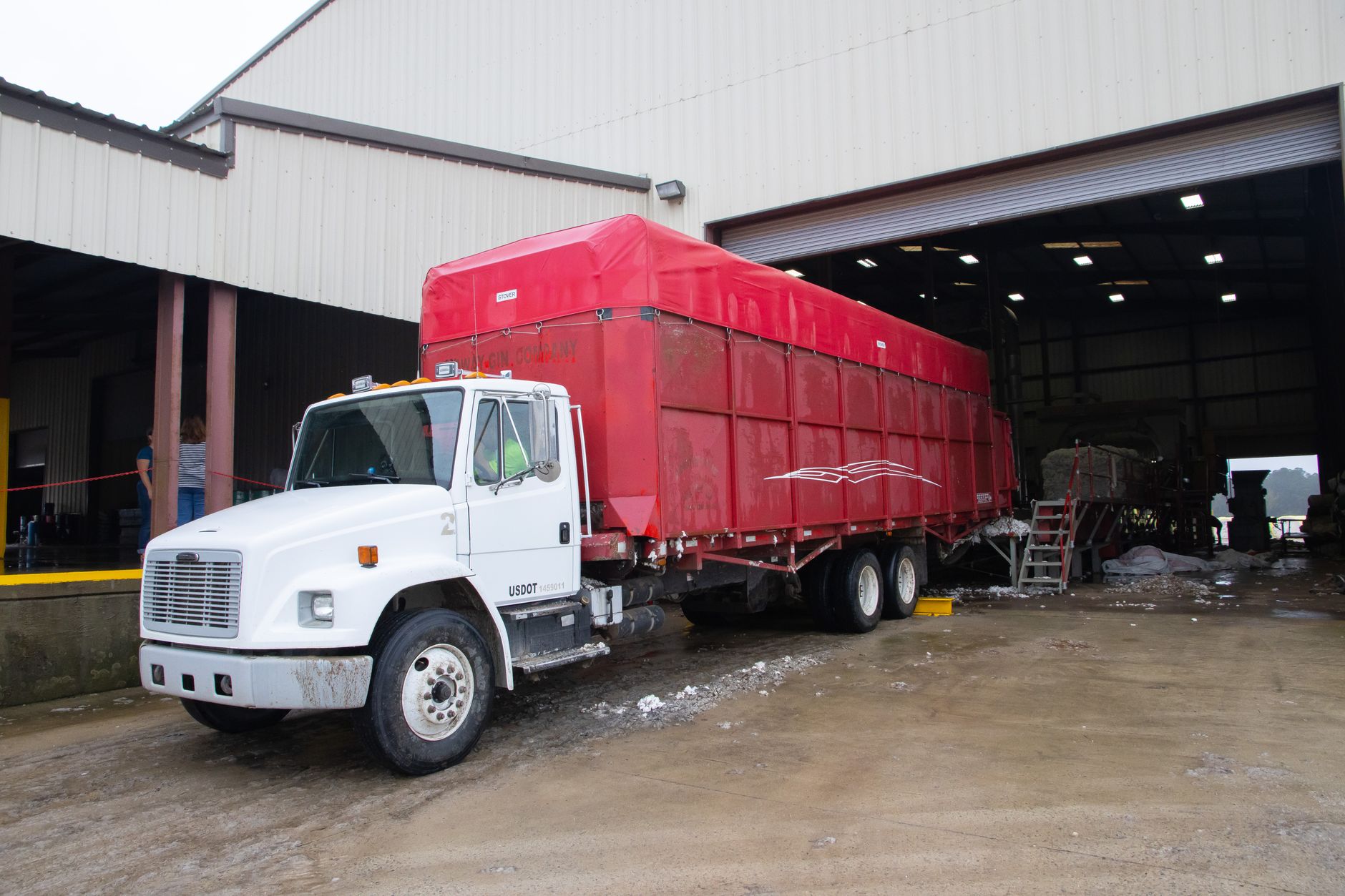
Photo by Mark Stebnicki on Pexels