[Columbus, Ohio] — Professional truck drivers looking to extend their equipment's operational lifespan and reduce physical strain often rely on the art of floating gears. While double clutching remains a standard teaching method for CDL-A driver training programs, seasoned owner-operators and long-haul professionals frequently bypass the clutch pedal entirely after getting rolling. This shifting method involves changing gears without depressing the clutch, relying instead on precise coordination between engine revolutions and road speed. Mastering this technique protects vital driveline components and keeps physical fatigue at bay during long OTR shifts.
Understanding how to float gears successfully requires disciplined throttle control and keen attention to the tachometer. Unlike double clutching, which mandates engaging the clutch between every single gear change, floating utilizes natural synchronization. Drivers touch the clutch strictly for starting from a dead stop and coming to a complete halt. Veterans favor this practice because it significantly minimizes heavy clutch wear and spares the driver's left knee from the constant pounding of heavy mechanical linkages, a common ailment among career OTR truck drivers.
The foundation of clean gear floating rests on three distinct operational principles: throttle management, timing, and a light touch. Precise throttle adjustments allow the transmission to slip effortlessly into the next gate without mechanical binding. When RPMs reach the correct window, a momentary release of the accelerator drops engine speed just enough to let the transmission slide smoothly into position. Forcing the shifter against resistance will quickly destroy synchros and gears, making patience and feel mandatory for every professional behind the wheel.
What This Means for Drivers
For professional CDL-A drivers logging thousands of miles every week, refining gear-shifting mechanics translates directly to lower maintenance costs and less physical exhaustion. Owner-operators footing their own repair bills find that floating gears properly eliminates premature clutch failures and expensive transmission overhauls. Fleets and trucking companies hiring experienced hands look favorably on drivers who display mechanical sympathy and understand the unique rhythm of heavy-duty powertrains. Perfecting this skill keeps trucks rolling smoothly on the highway and prevents costly downtime in the repair shop.
Industry Reaction
Professional driver trainers and seasoned fleet mechanics consistently emphasize that proper technique is the dividing line between a smooth operator and a costly liability behind the wheel. While modern automated manuals continue gaining market share across major fleets, traditional manual transmissions remain a staple in heavy hauling, specialized transport, and older rigs operated by independent owner-operators. Maintaining proficiency with a manual transmission ensures drivers retain total control over engine braking and power delivery across steep grades and challenging terrain.
Key Points
- Floating gears means shifting without the clutch except when starting and stopping.
- Precise throttle control aligns engine RPMs with road speed for seamless gear engagement.
- Forcing the gearshift indicates poor synchronization and causes severe transmission damage.
- Mastering this technique reduces knee strain and extends the lifespan of the clutch and transmission.
Looking for a better trucking job? US Trucker's free job-matching service connects CDL-A drivers, OTR drivers, regional drivers, and owner-operators with 500+ top US carriers. Leave your details in the form on this page and a recruiter will call you within one business day. Trucking companies are hiring now.
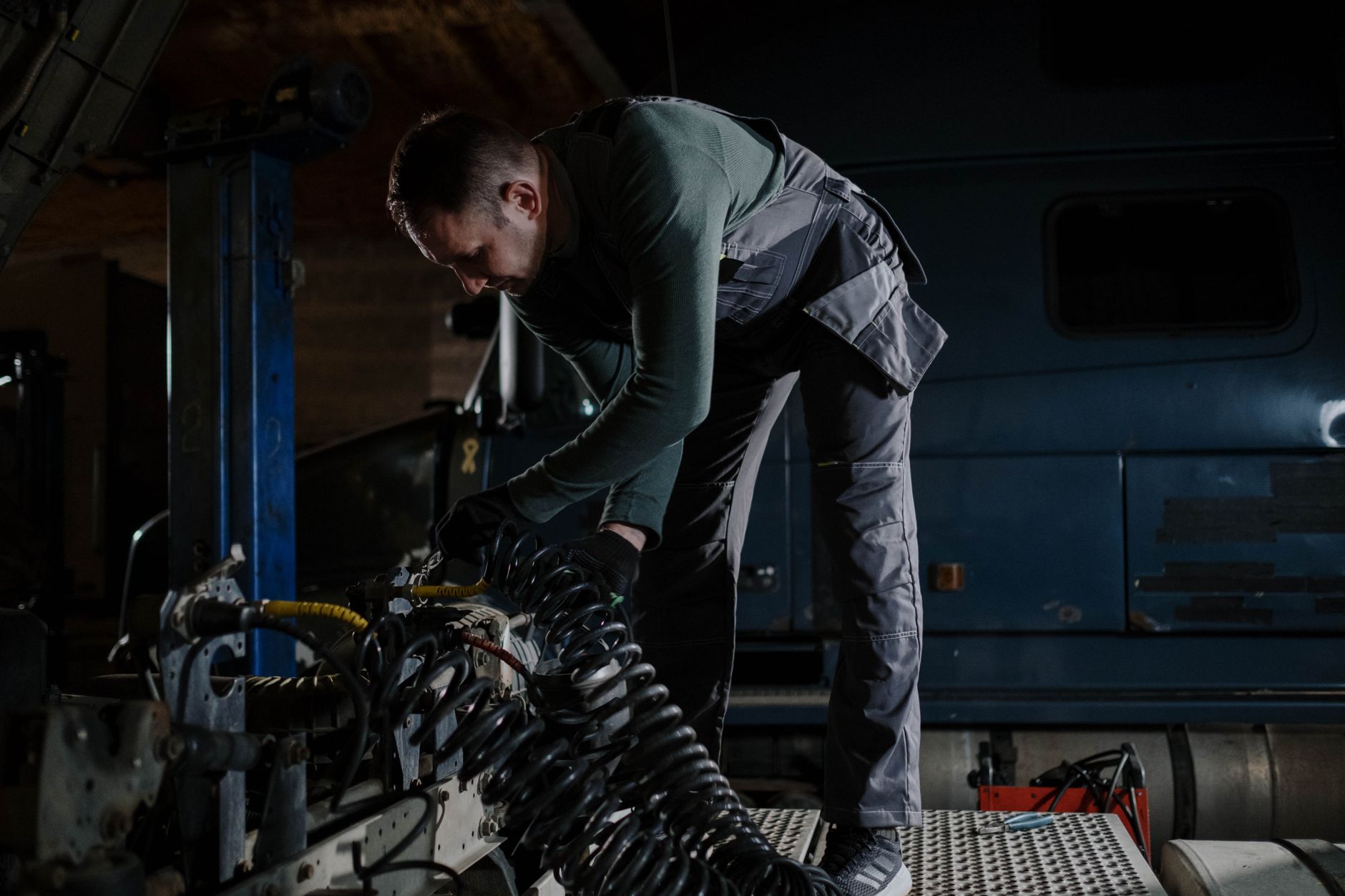
Photo by cottonbro studio on Pexels