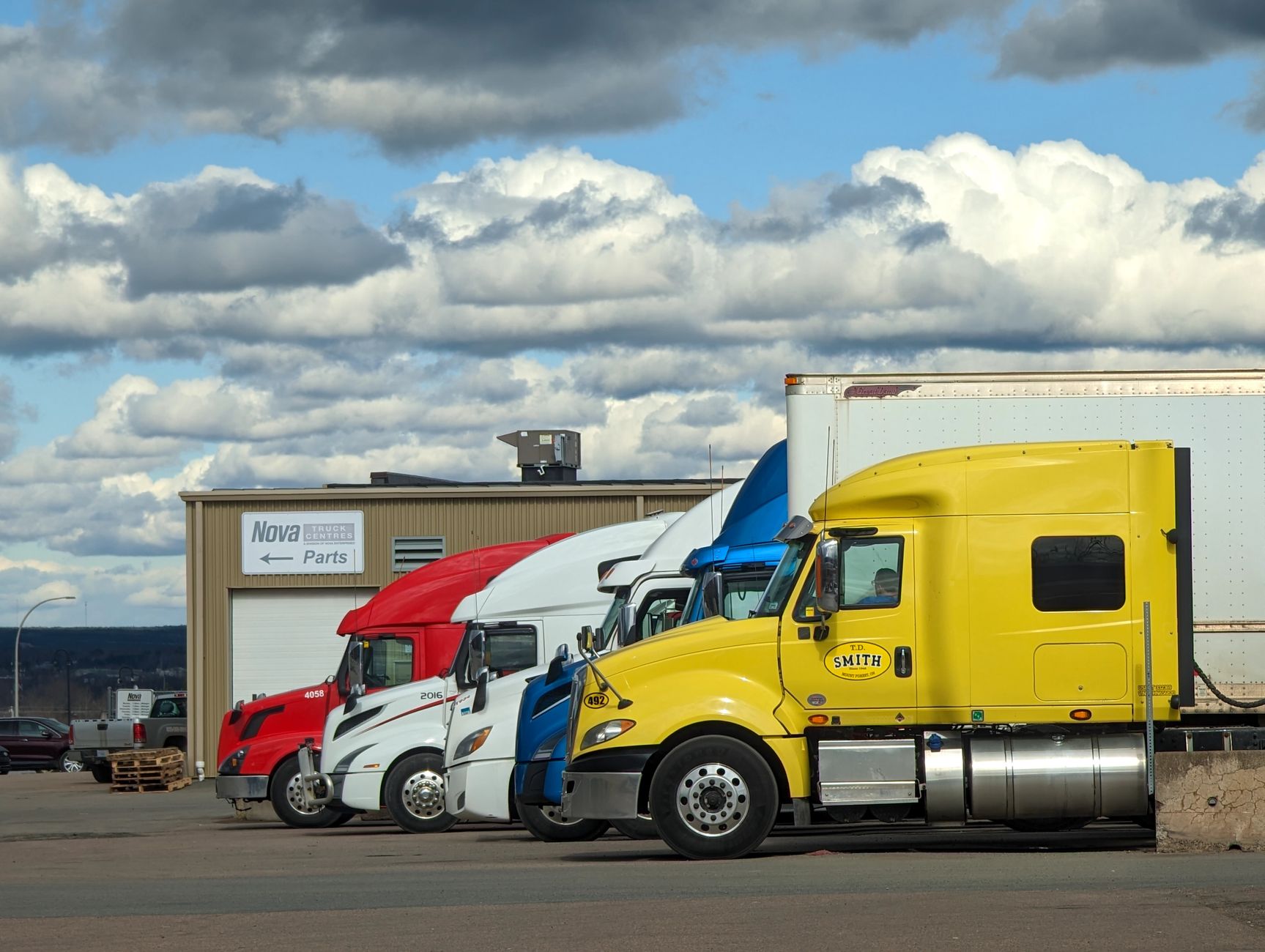
Atlanta, Georgia — Operating an 18-wheeler through the capital of the Southeast demands total concentration as commercial freight haulers tackle one of the most volatile urban road networks in the United States. For any OTR truck driver pushing through this key logistics junction, understanding the daily rhythm of local traffic flow dictates whether a run stays on schedule or bogs down in multi-hour delays. Georgia freight corridors mix dense commuter traffic with heavy regional distribution, creating high-stress environments where professional drivers must anticipate sudden hazards.
The infamous I-285 beltway encircling the city presents relentless friction points, particularly where the loop intersects with I-20 and I-675. CDL-A holders merging onto these packed lanes face aggressive passenger vehicle traffic and abrupt velocity shifts that test following distances and braking response times. Right through the urban core, the I-75/I-85 Downtown Connector forces freight haulers to navigate severe lane drops, short merge ramps, and unforgiving exit intervals. When peak rush hour volumes lock up the asphalt, trucks crawl bumper-to-bumper while surrounded by distracted local commuters darting across tight spaces.
Moving beyond the central core, Interstate 20 brings persistent work zones and pinched lanes, especially near major commercial nodes around Six Flags and stretching eastward toward Conyers. Even State Route 400 through the northern suburbs introduces tight geometries where four-wheeler operators frequently fail to grant adequate turning room to commercial vehicles. These sustained hazards require fleet operators and independent owner-operators to plan tight delivery windows with generous buffers to absorb inevitable congestion.
What This Means for Drivers
Navigating these high-stress corridors safely requires an aggressive defensive posture and strict adherence to lane discipline. CDL-A drivers must remain vigilant against four-wheelers cutting into mandatory stopping distances ahead of heavy units. Fleet managers routing trucks through Georgia should advise operators to avoid peak rush hours whenever appointment windows allow, utilizing off-peak overnight or mid-day slots to bypass the worst of the beltway snarls.
Industry Reaction
Logistics operators across the region continue to lobby state transportation officials for improved dynamic signage and better freight routing alternatives around major urban bottlenecks. As freight volumes surge through southern distribution centers, safety advocates emphasize that carrier training programs must prepare newly minted truck drivers for the unique aggressive driving styles found in large metropolitan centers like Atlanta.
Key Points
- The I-285 beltway remains a primary hazard zone for freight haulers due to high-speed merging and heavy commuter mixing.
- The I-75/I-85 Downtown Connector demands extreme focus from every OTR truck driver because of frequent lane drops and short ramps.
- Interstate 20 features ongoing construction zones and narrowed lanes near major attractions and suburban corridors.
- State Route 400 presents spatial challenges in northern suburbs where commuter traffic rarely yields to large commercial vehicles.
Looking for a better trucking job? US Trucker's free job-matching service connects CDL-A drivers, OTR drivers, regional drivers, and owner-operators with 500+ top US carriers. Leave your details in the form on this page and a recruiter will call you within one business day. Trucking companies are hiring now.
Photo by Bogdan Krupin on Pexels