Columbus, Ohio — Truck driver pay fails to maintain consistency at state borders, leaving substantial earnings on the table for CDL-A drivers who cross invisible lines without checking the local rate structures. Recent labor market data reveals that average compensation in specific states dramatically outpaces the wages offered by their immediate neighbors, shifting the financial calculus for regional haulers and long-haul professionals alike. Understanding these geographic pay disparities allows truck driver jobs seekers to target lucrative corridors rather than settling for baseline regional rates.
Compensation averages fluctuate based on local freight demand, port congestion, industrial manufacturing density, and the pool of competing labor available to regional trucking companies hiring in the area. States anchored by major intermodal hubs, heavy manufacturing centers, or active maritime ports routinely command higher mean wages. Conversely, adjacent states that depend heavily on seasonal agricultural freight or low-margin distribution networks often lag behind, forcing OTR truck driver professionals to weigh gross earning potential against regional cost-of-living differences.
While raw paycheck numbers tell part of the story, operating costs and daily expenses dictate actual net income for an independent owner-operator running these lanes. Drivers evaluating relocation or targeted job searches must balance higher prevailing wages against local housing expenses, fuel taxes, and predictable home time. States with slightly lower pay rates sometimes compensate with shorter daily commutes or steadier regional freight that keeps turnaround times tight and utilization high.
What This Means for Drivers
CDL-A driver professionals need to analyze state-by-state wage variances before committing to dedicated fleets or signing lease-purchase agreements. Geographic pay gaps directly influence yearly take-home pay, making border-hopping routes a strategic consideration for drivers looking to maximize revenue per mile. Fleet managers and independent owner-operators must factor these regional labor differentials into their lane selection and rate negotiations.
Industry Reaction
Freight market analysts note that wage divergence between neighboring states highlights persistent imbalances in the national supply chain and driver availability. Carriers operating in high-demand industrial zones continue adjusting compensation packages to retain talent against aggressive recruiting efforts from nearby states. Industry advocates stress that transparency in wage reporting remains essential for drivers navigating these complex regional markets.
Key Points
- Average truck driver pay diverges significantly even across shared state borders.
- Freight demand, local manufacturing strength, and port activity drive wage gaps.
- Lower-paying states sometimes offset reduced gross pay with lower living costs or steady home time.
- Strategic job searches and lane selection help CDL-A drivers capture higher earnings.
Looking for a better trucking job? US Trucker's free job-matching service connects CDL-A drivers, OTR drivers, regional drivers, and owner-operators with 500+ top US carriers. Leave your details in the form on this page and a recruiter will call you within one business day. Trucking companies are hiring now.
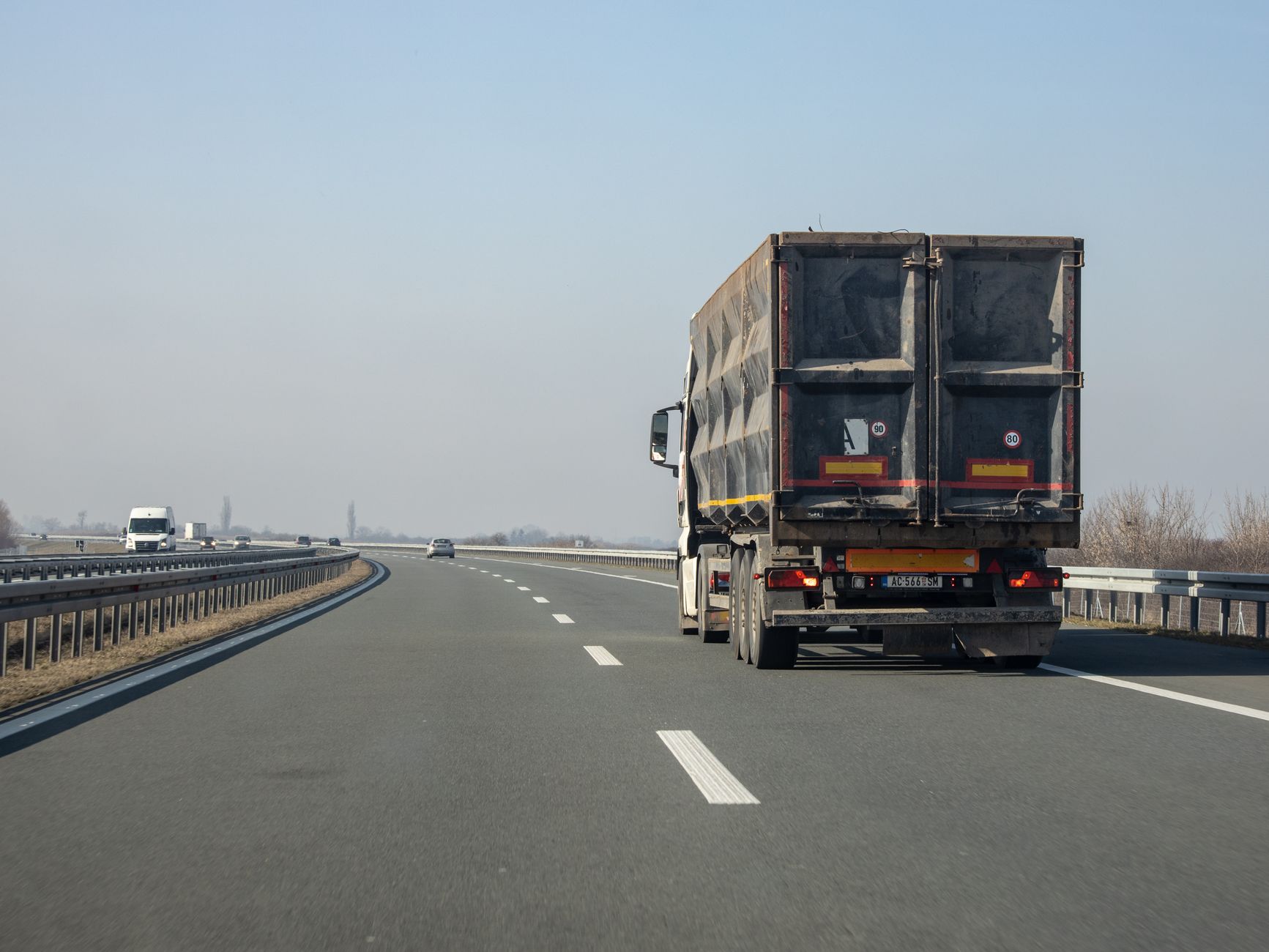
Photo by Boris Hamer on Pexels