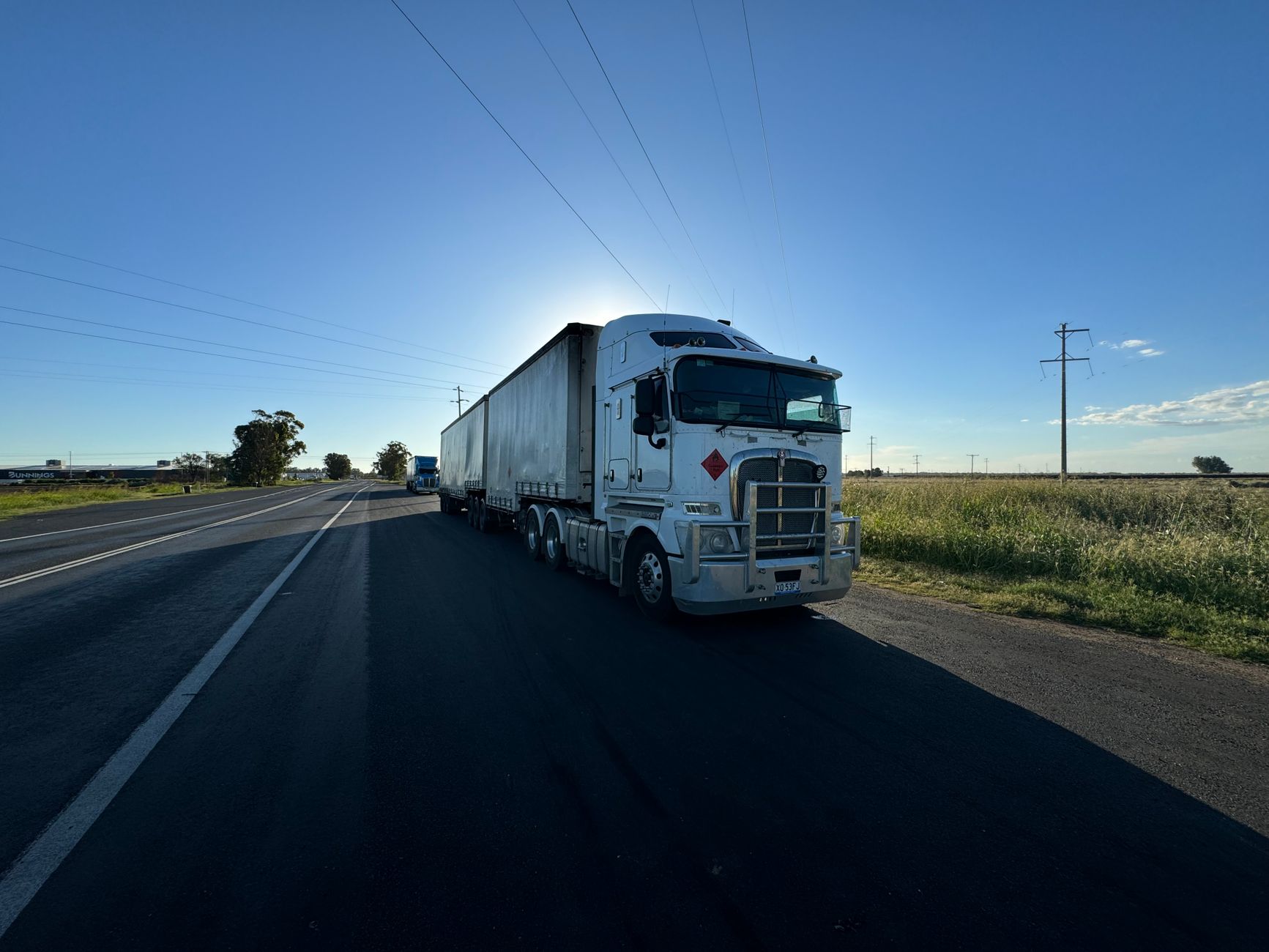
Leasing a Class 8 tractor now provides owner‑operators a cost‑effective route to run without a full purchase, according to recent industry data.
Rising freight rates and tighter credit markets have forced many CDL drivers to explore alternatives; a lease can lower capital outlay, keep equipment up‑to‑date, and align cash flow with freight revenue.
What This Means for Truck Drivers
Owner‑operators must evaluate lease type—finance, operating or lease‑purchase—to determine equity buildup, mileage limits, and maintenance responsibilities. Drivers who secure a finance lease can accrue ownership equity, while operating leases typically return the rig at term but may include service contracts. All parties remain liable for fuel, insurance, permits, and any excluded repairs, so budgeting for these recurring costs is essential.
Key Takeaways
- Scrutinize lease structures; finance leases build equity, operating leases often include maintenance packages.
- Confirm which routine services, tires and DEF are covered before signing.
- Allocate funds for security deposits, insurance deposits, registration fees and any required EL‑D installation.
- Plan for end‑of‑lease options—purchase price, residual value, and potential FMCSA compliance costs.
Looking for a better trucking job? If you are a truck driver or owner‑operator searching for higher pay, better miles, or improved home time, our free job‑matching service connects you with 500+ top US carriers. CDL‑A drivers, regional drivers, OTR truck driver, and owner‑operator opportunities, including the best trucking jobs USA, are all welcome. Leave your details in the form on this page and a recruiter will call you within 1 business day with offers tailored to your experience and preferences.
Photo by hitesh Sarain on Pexels