DES MOINES, Iowa — Iowa regulators have officially authorized a fifth extension to the state’s harvest emergency proclamation, keeping weight limit relief in effect until February 23. This order permits trucks hauling agricultural commodities—including corn, soybeans, fertilizer, and manure—to operate above standard weight thresholds without the need for individual permits.
State authorities initiated this measure to streamline the movement of essential harvest goods, acknowledging that high volumes of agricultural traffic necessitate flexible transit rules. While the proclamation grants significant leeway, it excludes the interstate system. Drivers must ensure their gross vehicle weight remains at or below 90,000 pounds and must continue to respect all posted bridge and road limits. This regulatory environment requires every CDL-A driver operating in the region to stay sharp on where these exemptions apply versus where standard federal weight laws remain strictly enforced.
The extension arrives amidst a shifting landscape regarding federal oversight. The FMCSA recently finalized a rule that truncated the window for emergency relief from 30 days down to just 14 days. This change impacts how states and carriers coordinate during supply chain disruptions or seasonal surges. For an OTR truck driver, these overlapping state and federal mandates create a complex compliance puzzle that demands constant attention to updated route maps and state-specific emergency declarations.
What This Means for Drivers
Owner-operator professionals must verify their route status daily, as federal emergency declarations no longer carry the same long-term weight they once did. Any driver hauling agricultural products through Iowa should keep a copy of the current proclamation in the cab to present to enforcement officers if questioned about axle or gross weight. Relying on outdated information can lead to heavy fines that threaten the profitability of even the most efficient trucking companies hiring today. Always cross-reference the state’s current harvest maps against the FMCSA regulations to ensure your load remains fully compliant with the shorter 14-day federal emergency windows.
Industry Reaction
The Owner-Operator Independent Drivers Association (OOIDA) has voiced strong opposition to the FMCSA’s move to shorten emergency relief periods. Working alongside the National Propane Gas Association, the group has formally challenged the agency to provide evidence that the previous 30-day window compromised highway safety. Industry advocates argue that the FMCSA failed to justify the change, leading to concerns that federal regulators are creating unnecessary administrative hurdles for drivers who are already managing tight delivery schedules during critical harvest seasons. US Trucker continues to monitor these policy shifts to help you navigate the ever-changing landscape of FMCSA regulations.
Key Points
- The Iowa harvest proclamation is valid through February 23, 2026.
- Exemptions apply to non-interstate highways for loads up to 90,000 pounds.
- New FMCSA rules have reduced the standard emergency relief period from 30 days to 14 days.
- OOIDA and other groups are actively petitioning for more clarity regarding the basis for recent federal rule changes.
Looking for a better trucking job? US Trucker's free job-matching service connects CDL-A drivers, OTR drivers, regional drivers, and owner-operators with 500+ top US carriers. Leave your details in the form on this page and a recruiter will call you within one business day. Trucking companies are hiring now.
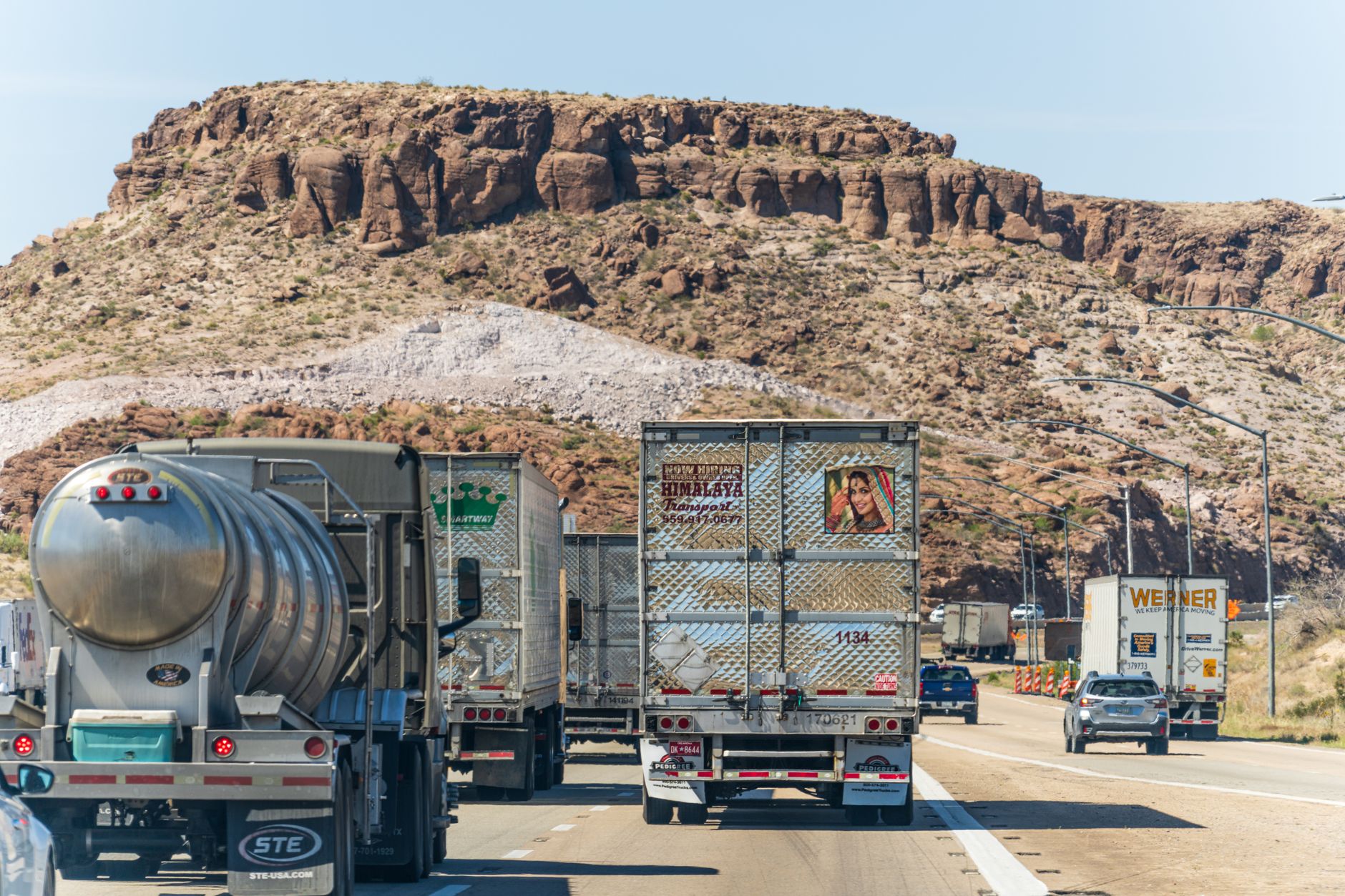
Photo by Abhishek Navlakha on Pexels