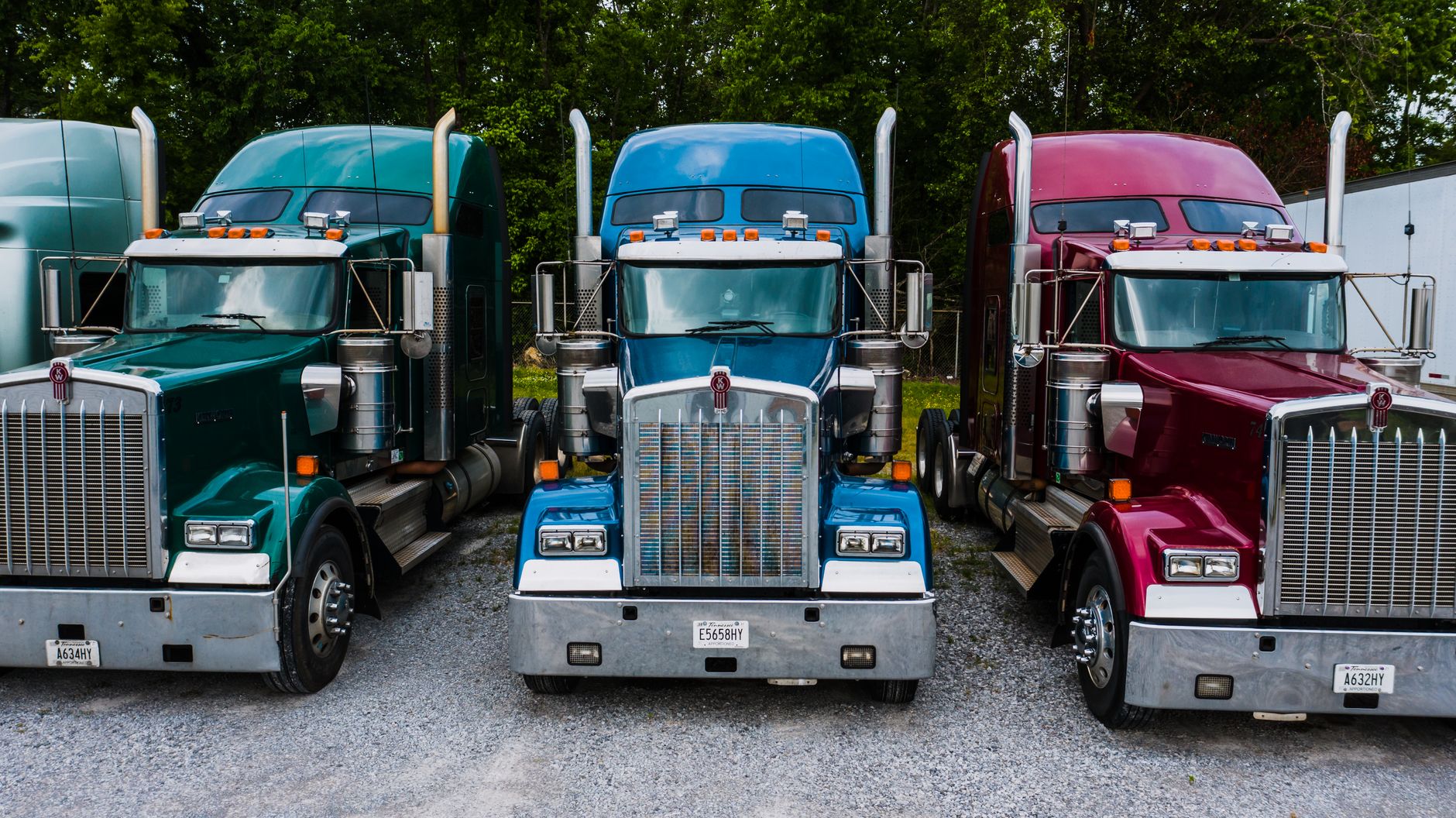
Washington, D.C. — The administration’s $2 trillion infrastructure bill, which included a specific \"Trucking Action Plan\" announced in December, failed to secure funding for the construction of new truck parking facilities. This omission has drawn sharp criticism from the trucking community, which views the lack of safe resting areas as a primary barrier to supply chain efficiency and driver retention. The plan’s initial goal was to alleviate supply chain bottlenecks and stem the ongoing shortage of professional drivers, yet it left out a provision that would have allocated nearly $1 billion in grants specifically for truck parking infrastructure.
\nThe absence of this funding is not a minor oversight but a significant gap in a policy designed to address the core frustrations of the industry. The American Transportation Research Institute (ATRI) has consistently identified parking as a critical issue, noting that the shortage of available spaces has ranked in the top ten industry concerns for ten consecutive years. Among commercial drivers, this issue consistently places in the top three most pressing problems, highlighting a disconnect between legislative priorities and the daily realities faced on the road.
\nMerry Leach, an Illinois truck driver, articulated this frustration to federal highway officials in December, stating that supply chain woes cannot be resolved until drivers can utilize their entire 11-hour drive time. Leach emphasized that drivers are currently wasting hours driving in circles and fighting for the next available spot, rather than moving freight. This sentiment is echoed across the industry, with many drivers reporting that the volume of trucks on the road has increased significantly over the last two decades, while the number of parking spots has remained stagnant.
\nWhat This Means for Drivers
\nFor a CDL-A driver or an OTR truck driver, the lack of parking directly impacts compliance with FMCSA regulations and personal safety. When safe rest areas are scarce, drivers are forced to park in dangerous locations or illegally, which increases the risk of accidents, theft, and regulatory violations. Owner-operators and fleet managers are left with no new infrastructure to rely on, meaning the burden of finding safe parking remains entirely on the individual driver. The shortage is particularly acute in the Northeast, where truck stops frequently reach capacity between 4 p.m. and 6 p.m., creating a predictable window of high stress and operational delay for those searching for a spot.
\nIndustry Reaction
\nThe reaction to the infrastructure bill’s omissions has been one of deep frustration among those who spend their lives on the highway. As one Reddit user noted, the current situation is a \"HUGE pain\" because the number of rigs on the road has outpaced the development of parking infrastructure. This disconnect suggests that without dedicated funding, the industry’s reliance on existing, often inadequate, facilities will continue. The removal of the $1 billion grant provision signals that parking remains a secondary priority in federal planning, despite its direct impact on driver health, safety, and the overall efficiency of the national supply chain.
\nKey Points
\n- The $2 trillion infrastructure bill removed a provision that would have provided nearly $1 billion in truck parking grants.
- The ATRI report confirms that truck parking has been a top 10 industry concern for ten years and a top 3 issue for drivers.
- Drivers report spending hours searching for parking, which reduces effective drive time and increases fatigue.
- The parking shortage is most severe in the Northeast, where truck stops fill up by mid-afternoon.
Looking for better truck driver jobs? US Trucker's free job-matching service connects CDL-A drivers, OTR drivers, regional drivers, and owner-operators with 500+ top US carriers. Leave your details in the form on this page and a recruiter will call you within one business day. Many trucking companies hiring now are prioritizing routes with better parking facilities.