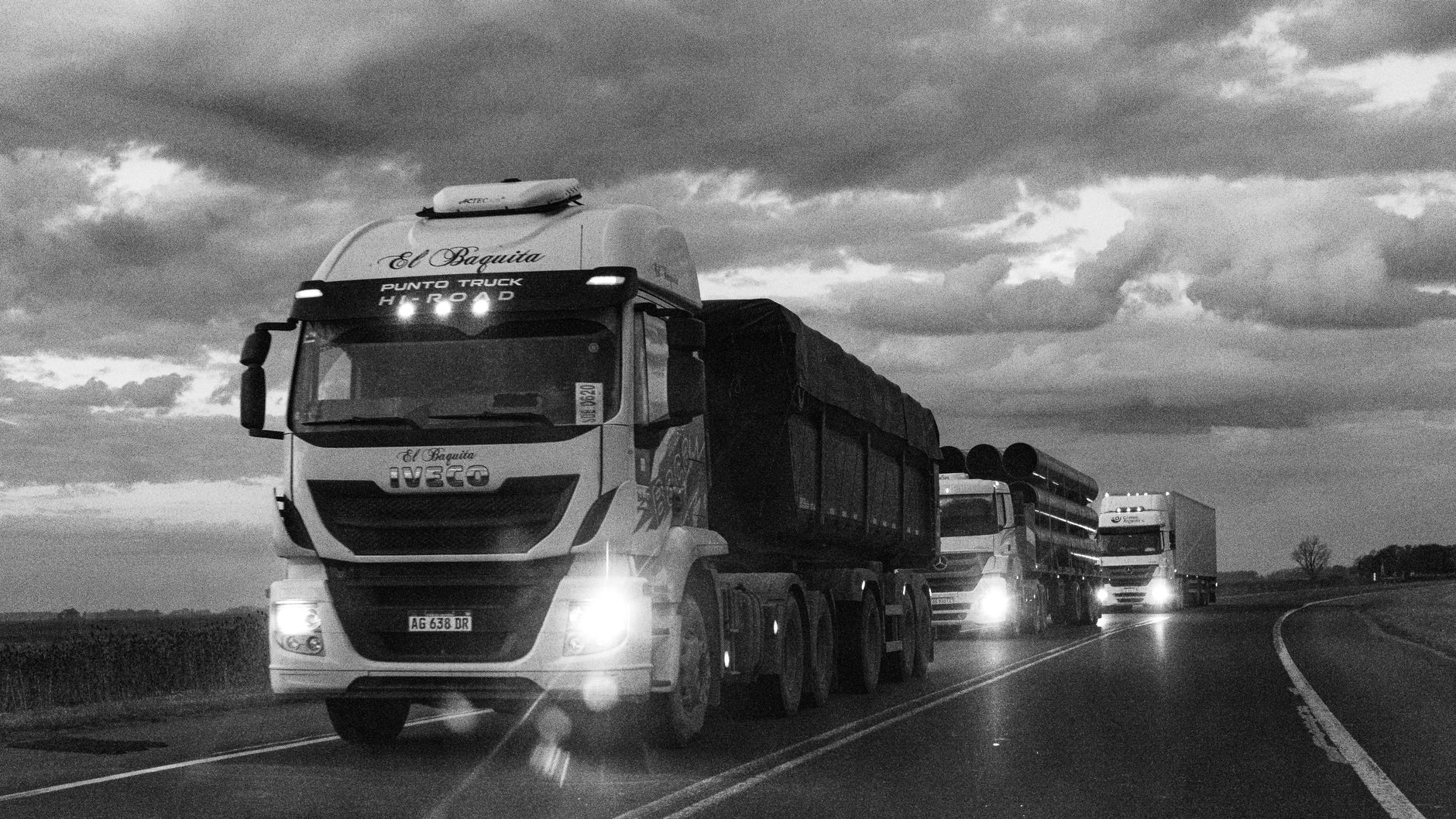
Louisville, Kentucky — Professional truck drivers spend more hours behind the wheel of their heavy-duty tractors than almost anyone else on the American highway. Following punishing long hauls, grueling mountain climbs, and endless stretches of asphalt, many CDL-A drivers report that their Peterbilts, Freightliners, and Kenworths almost seem to possess a personality and a voice of their own. US Trucker recently polled the broader driver community with a simple question about what their tractors would scream at them if mechanical parts could actually speak, yielding responses that highlight the unique humor of life over-the-road.
Life as an OTR truck driver takes a heavy toll on machinery just as much as it drains the operator. Drivers across the country chimed in with specific grievances their rigs supposedly hold against them. Jack Hamilton, a top contributor in the driver network, recalled a brutal transit across the George Washington Bridge heading south when that specific Peterbilt practically declared that the route was off limits permanently. Route selection matters deeply to owner-operators trying to protect their suspension, frame, and sanity from crumbling infrastructure and notoriously rough corridors.
Certain stretches of highway face outright boycotts from equipment and operators alike. Phillip Chenoweth shared a memorable directive from his tractor regarding Interstate 70 in Indiana, noting that the rig explicitly threatened to quit if pointed down that corridor again. Chenoweth listened to the warning, opting instead to navigate across US Route 36 or Interstate 74 to bypass the notorious stretch entirely. Other operators fielded complaints about heavy boots on the throttle, with Kevin Gothard pointing out that pushing past an engine's optimal efficiency draws a sharp internal protest to get the foot out of the oil pan and save on fuel burn.
What This Means for Drivers
Listening to equipment pays off for professional drivers aiming to keep maintenance costs manageable and downtime to a minimum. Preventative maintenance keeps rigs rolling safely, but recognizing when an engine, transmission, or driver needs rest remains critical for long-term health on the interstate. Whether dealing with mandatory 34-hour resets, grueling multi-state routes, or demanding dispatchers, knowing when to pull over prevents costly mechanical failures and driver burnout.
Industry Reaction
Experienced OTR truck drivers and owner-operators know that humor serves as a vital coping mechanism for the pressures of the profession. Maintaining equipment goes hand-in-hand with safety compliance, making every pre-trip inspection and routine service interval a necessity rather than a chore. As fleets navigate shifting freight markets and demanding schedules, the underlying bond between a driver and their tractor remains one of the defining constants of American trucking.
Key Points
- Drivers report that long hours on the road give their rigs distinct personalities.
- Specific highway stretches like I-70 in Indiana face outright avoidance from operators protecting their equipment.
- Mechanical stress requires adequate downtime, routine maintenance, and respect for engine limitations.
- Driver communities use shared humor to cope with the daily realities of long-haul freight hauling.
Looking for a better trucking job? US Trucker's free job-matching service connects CDL-A drivers, OTR drivers, regional drivers, and owner-operators with 500+ top US carriers. Leave your details in the form on this page and a recruiter will call you within one business day. Trucking companies are hiring now.
Photo by Alex Dos Santos on Pexels