FAIRBANKS, Alaska — Television screens and social media clips often make ice road trucking look like a casual winter adventure, but seasoned truck driver jobs require far more than basic steering skills over frozen lakes. Hauling freight across temporary winter paths and frozen bodies of water serves as the sole lifeline for isolated northern communities and remote oil fields that lack year-round highway access. The legendary 414-mile Dalton Highway stretching from Fairbanks northward to Prudhoe Bay stands as a prime example of a grueling route where transport professionals battle brutal sub-zero temperatures to deliver vital machinery, fuel, and general supplies. Anyone eyeing these extreme corridors must look past the romanticized television portrayals and understand the actual mechanical and physical demands of the work.
Working these frozen stretches demands an elite tier of preparation that far exceeds holding a standard CDL-A license. True winter-route operators bring years of heavy-highway and deep-snow experience to the cab, knowing how to correct a sliding rig on glass-smooth ice before disaster strikes. Extreme cold wages immediate war on heavy-duty diesel machinery, meaning drivers must possess the mechanical competence to execute roadside repairs when temperatures drop past negative forty degrees. Isolation forms another massive hurdle for any OTR truck driver attempting these routes, as days can pass without seeing another soul while fighting howling winds and blinding whiteouts.
Rig configuration for these environments requires specialized components that standard over-the-road equipment simply does not carry. Fleets operating in these frozen zones equip their tractors with heavy-duty engine block heaters to prevent total fluid freeze-ups during shutdowns, alongside specialized chemical additives to keep diesel from gelling. Tires feature aggressive compounds designed to bite into packed ice rather than skating across the surface. Because rescue can take hours or days in remote northern sectors, mandatory survival gear inside the sleeper includes emergency rations, bottled water, and comprehensive medical kits to sustain a stranded operator.
What This Means for Drivers
Professional drivers evaluating these extreme northern runs must weigh the severe risks of thin ice and sudden whiteout conditions against the specialized nature of the freight. Owner-operators considering winter transport contracts need to calculate the heavy maintenance costs associated with sub-zero wear and tear on engine blocks, transmissions, and tires. Trucking companies hiring for cold-weather routes demand absolute self-sufficiency, meaning drivers cannot rely on frequent service stations or quick roadside assistance when mechanical components fail miles from civilization.
Industry Reaction
Veteran haulers across the industry maintain that while frozen-route transport commands immense respect, it remains entirely unsuitable for newly minted CDL holders lacking proper winter survival backgrounds. Safety advocates emphasize that sudden weather shifts can turn a clear run into a zero-visibility hazard within seconds, requiring unwavering mental discipline and absolute calm behind the wheel. Equipment specialists note that proper pre-trip inspections become a matter of literal survival when operating heavy machinery in environments where a single frozen air line or cracked part can strand a rig in life-threatening conditions.
Key Points
- Ice road trucking involves hauling freight over frozen bodies of water and temporary winter paths to reach isolated towns and oil fields.
- The 414-mile Dalton Highway in Alaska represents a primary route where transport pros battle extreme weather to deliver fuel and machinery.
- Rig preparation requires engine block heaters, anti-gel fuel additives, ice-proof tires, and extensive emergency survival gear.
- Drivers face severe operational hazards including shifting thin ice, sudden blinding whiteouts, and extreme cold-weather mechanical failures.
Looking for a better trucking job? US Trucker's free job-matching service connects CDL-A drivers, OTR drivers, regional drivers, and owner-operators with 500+ top US carriers. Leave your details in the form on this page and a recruiter will call you within one business day. Trucking companies are hiring now.
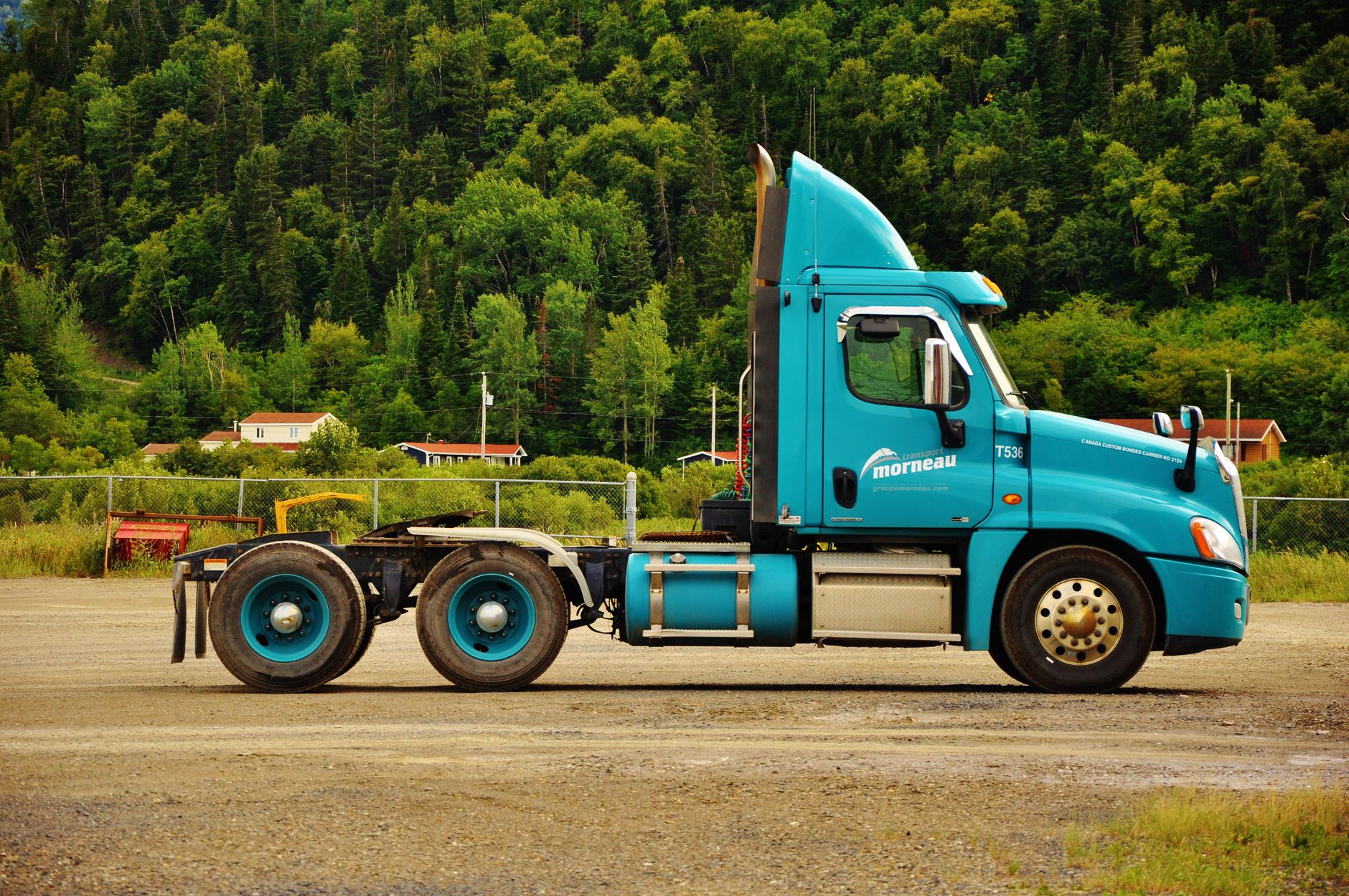
Photo by Yvon Gallant on Pexels