LOWELL, Arkansas — Modern American commerce runs on freight networks forged by a handful of pioneering companies that started with single-digit truck counts and built multi-billion-dollar empires. J.B. Hunt Transport Services, Inc. launched operations in 1961 with just five tractors and seven trailers under the guidance of Johnnie Bryan and Johnelle Hunt. By the 1980s, that small operation evolved into a massive enterprise that revolutionized freight hauling by pioneering intermodal containers capable of seamless transfers between highway tractors, railcars, and cargo ships. This shift lowered overhead costs, reduced carbon footprints, and permanently changed how long-haul carriers move goods across the country.
Other legacy carriers mirrored this trajectory of aggressive growth and operational evolution. Al Schneider founded Schneider National in Green Bay, Wisconsin, back in 1935 with a single truck. By the 1980s, Schneider established itself as a dominant force in long-haul shipping and logistics. Meanwhile, Jerry Moyes launched Swift Transportation in 1966 hauling steel between Los Angeles and Arizona with one rig. Swift scaled rapidly through a series of strategic mergers and acquisitions, eventually integrating advanced driver-assistance systems into its massive fleet. Concurrently, United Parcel Service grew from a modest 1907 Seattle messenger service into an international logistics giant by deploying proprietary route optimization networks and automated package sorting facilities.
Technology adoption has remained a central pillar for these industry leaders over the decades. J.B. Hunt was among the first fleets to install satellite tracking units inside truck cabs, giving dispatchers and shippers real-time visibility over cargo movements. Schneider invested heavily in driver training schools to establish higher baseline competency requirements for professional drivers while adopting early telematics and data analytics to maximize fuel economy. Swift integrated sophisticated collision mitigation technology to protect its operators on congested interstate corridors. UPS pushed the envelope on sustainability by investing aggressively in alternative fuel vehicle fleets and comprehensive carbon reduction initiatives across its sprawling supply network.
What This Means for Drivers
The operational standards established by these historic fleets directly impact daily life for CDL-A drivers and owner-operators across the United States. Enhanced safety technologies, such as collision avoidance systems and telematics pioneered by these mega-carriers, now shape standard equipment packages found in modern highway tractors. Professional drivers benefit from structured training programs and sophisticated dispatch logistics that minimize wasted hours at loading docks and maximize earning potential. OTR truck drivers navigating today's complex supply chains operate within frameworks that prioritize route efficiency and intermodal connectivity, reducing unnecessary deadhead miles and streamlining freight delivery.
Industry Reaction
Legacy carrier innovations continue to influence how modern trucking companies recruit, train, and retain qualified talent. As the industry faces ongoing driver retention challenges, top-tier fleets look to the foundational safety and training frameworks established by early pioneers like Schneider and J.B. Hunt to attract reliable operators. Trucking companies hiring today rely heavily on data-driven dispatching and advanced in-cab technology to reduce driver friction, improve fuel efficiency, and remain competitive in a volatile freight market.
Key Points
- J.B. Hunt began in 1961 with five trucks and pioneered modern intermodal freight transport.
- Schneider National established the industry's first dedicated driver training school in 1935.
- Swift Transportation scaled rapidly through strategic mergers and early adoption of advanced driver-assistance systems.
- UPS transformed global logistics through proprietary route optimization and sustainable fleet investments.
Looking for a better trucking job? US Trucker's free job-matching service connects CDL-A drivers, OTR drivers, regional drivers, and owner-operators with 500+ top US carriers. Leave your details in the form on this page and a recruiter will call you within one business day. Trucking companies are hiring now.
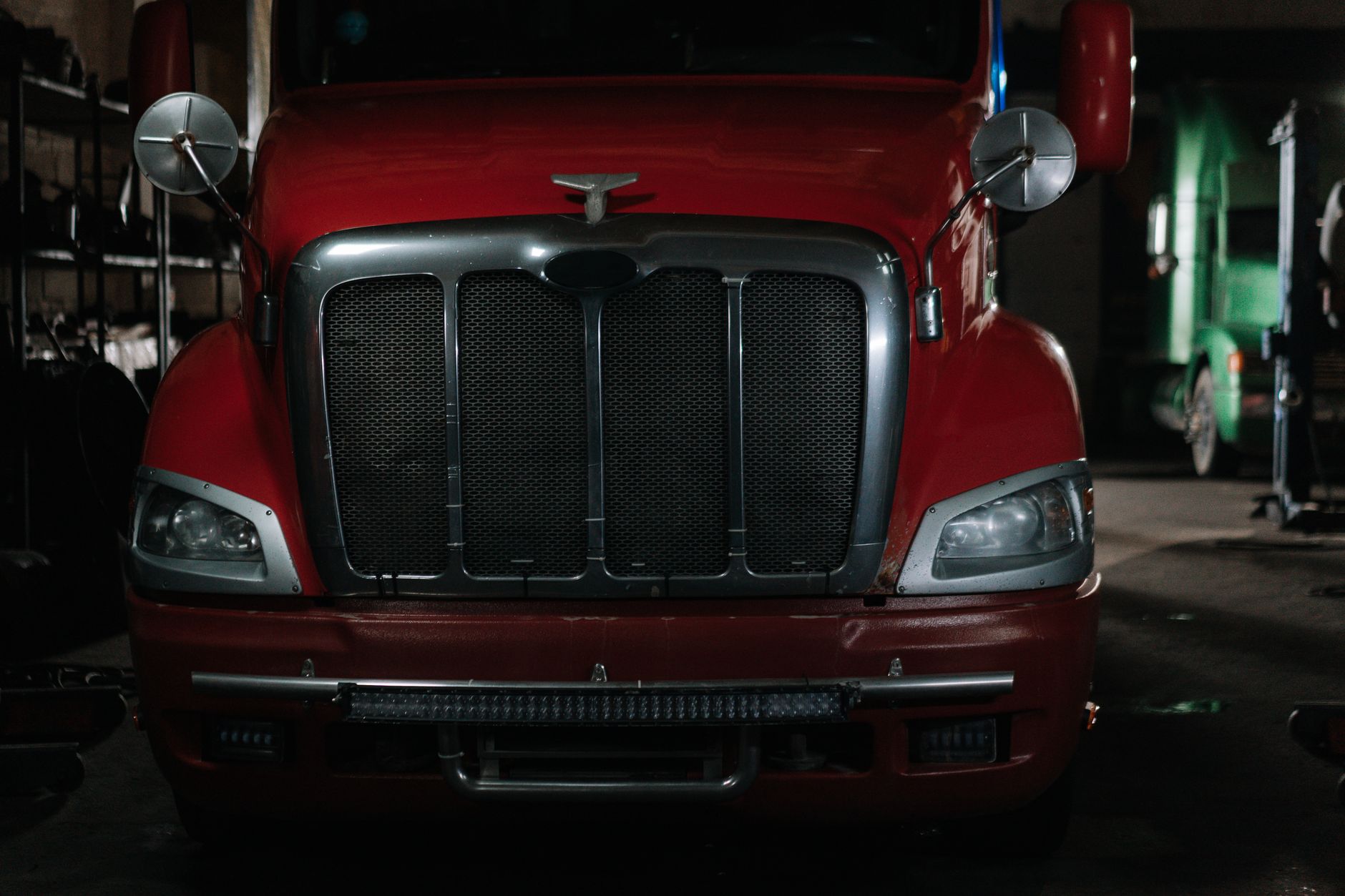
Photo by cottonbro studio on Pexels