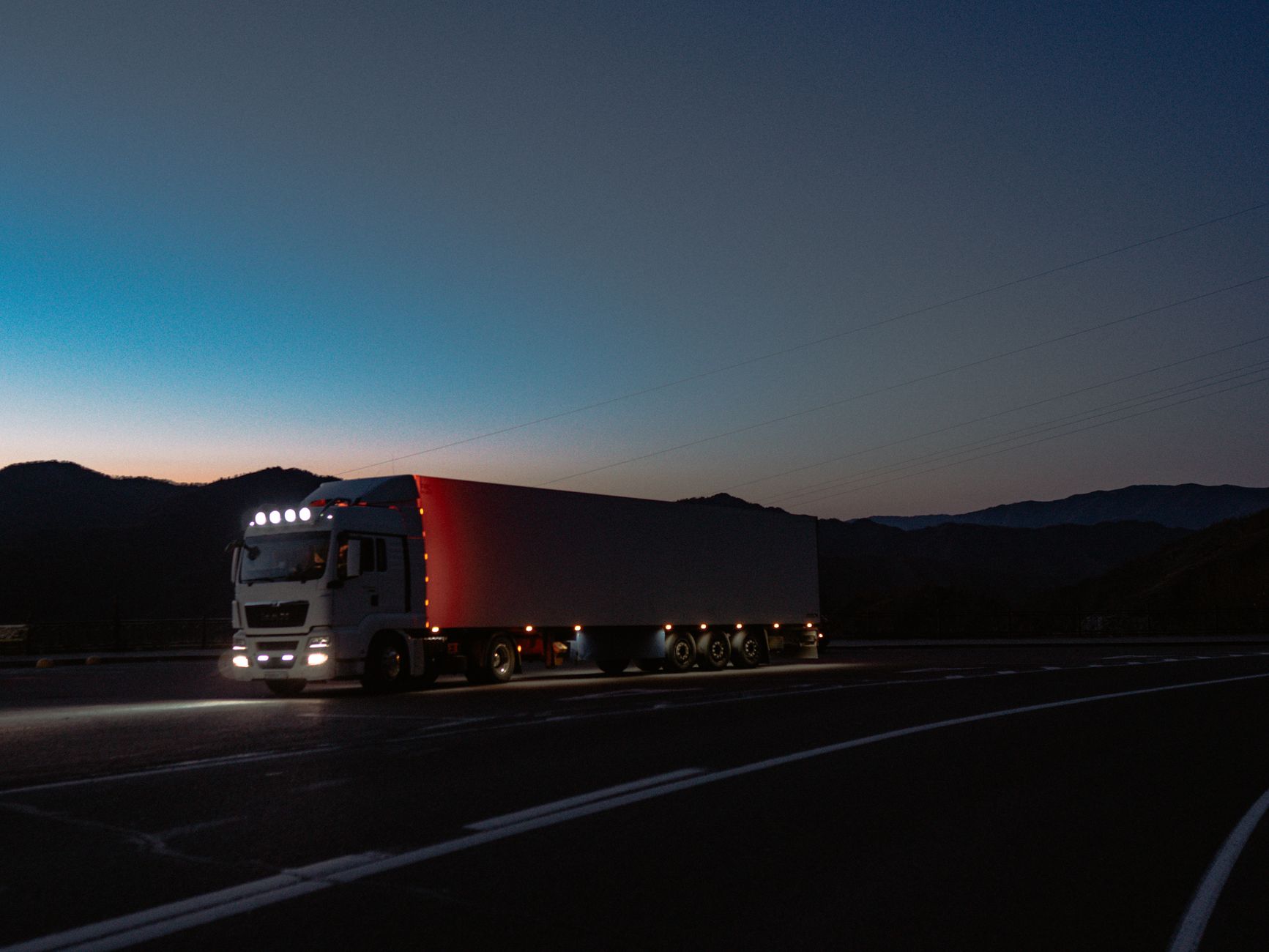
Washington, D.C. — Every holiday season brings a massive surge in traffic that fundamentally alters the highway landscape for professional truck drivers. Freight volumes remain steady or increase while passenger traffic spikes around major travel weekends, shopping days, and winter weather events, creating predictable pressure points that repeat every year. Federal crash data from the National Highway Traffic Safety Administration shows that multi-vehicle accidents involving large trucks increase during major holiday travel periods, particularly around Thanksgiving, Christmas, and New Year’s. In the vast majority of those incidents, the truck driver is not cited as the primary cause, as the true culprits are congestion, unpredictability, and a severely reduced margin for error.
Veterans behind the wheel build space around their equipment on purpose, knowing a fully loaded tractor-trailer can weigh up to 80,000 pounds. According to the Federal Motor Carrier Safety Administration, stopping distances for large trucks at highway speed can exceed the length of a football field under ideal conditions, and snow, ice, or rain stretches that distance even further. When a passenger vehicle darts into that designated cushion, the professional driver does not lose patience; they lose options. Backing off to rebuild that safety buffer often slows down traffic and frustrates surrounding motorists, but leaving the buffer intact is the only way to brake gradually and maintain vehicle control.
Sitting higher allows commercial drivers to see further ahead in traffic slowdowns, reacting early to brake lights, lane closures, or weather changes that remain invisible to smaller cars. When a convoy of trucks reduces speed together, it signals an impending hazard ahead that requires extreme caution. Ignoring that warning and weaving through slower commercial vehicles drastically increases the risk of sudden braking and violent rear-end collisions. Truck drivers consistently advise watching the flow of commercial traffic as an early warning system on crowded interstate corridors.
What This Means for Drivers
For an OTR truck driver or regional CDL-A holder navigating holiday gridlock, passenger vehicles lingering in blind spots create constant stress. Tractor-trailers feature massive blind zones along both sides and directly behind the trailer, which grow exponentially worse during winter road spray, darkness, and inclement weather. Passenger cars passing with steady speed and quickly reestablishing distance ahead reduce exposure time and drastically improve visibility. Lingering next to a trailer offers zero benefit and invites disaster if wind gusts, hidden ice patches, or sudden lane shifts occur.
Industry Reaction
Safety advocates and experienced owner-operators emphasize that turning and merging require immense patience during peak retail and holiday periods, as large rigs require additional space to negotiate tight corners on slick pavement where trailers track wider than usual. Cutting into that turning space or attempting to squeeze past an articulating truck leads directly to low-speed crashes that shut down highway ramps for hours. Allowing heavy equipment to complete turns and merges without interference prevents costly damage, scheduling delays, and injuries on the road.
Key Points
- Heavy freight volumes and holiday passenger spikes create annual predictable congestion points on major U.S. corridors.
- Stopping distances for 80,000-pound rigs exceed a football field in ideal weather and increase significantly on ice and snow.
- Lingering in tractor-trailer blind spots during winter weather or darkness prevents drivers from seeing sudden road shifts.
- Commercial traffic flows serve as an early warning system for unseen hazards ahead on the highway.
Looking for a better trucking job? US Trucker's free job-matching service connects CDL-A drivers, OTR drivers, regional drivers, and owner-operators with 500+ top US carriers. Leave your details in the form on this page and a recruiter will call you within one business day. Trucking companies are hiring now.
Photo by Sergei Skrynnik on Pexels