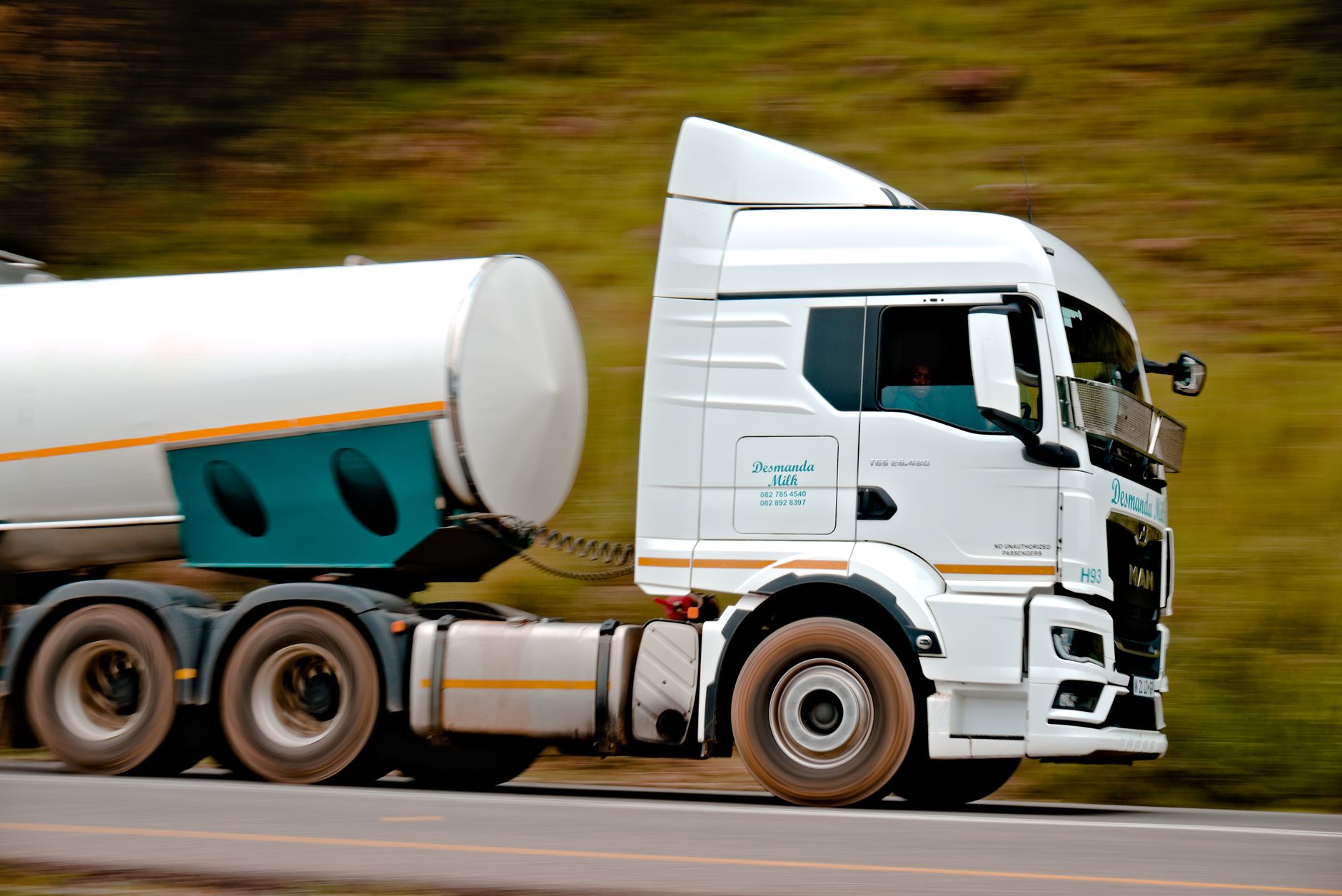
Washington, D.C. — Professional truck drivers navigating the nation’s interstate system this week face severe congestion as highway travel volumes approach pre-pandemic highs alongside severe winter storm warnings. Freight haulers operating truck driver jobs across major corridors must prepare for significant bottlenecks as passenger vehicles flood the asphalt alongside commercial traffic.
Automobile club forecasts project that 112.7 million residents will journey 50 miles or more from their residences during the upcoming winter holiday stretch. This projection represents an increase of 3.6 million individuals compared to the prior year, positioning the current travel window as the third-busiest period recorded since tracking began in the year 2000. Out of that total volume, roughly 102 million Americans plan to travel by automobile, creating an increase of 2 million passenger vehicles on the nation's highways relative to the previous year's figures.
Transportation analytics data provided by INRIX indicates that the most severe congestion will concentrate on specific dates, notably December 23, December 27, December 28, and January 2. Urban freight lanes in major metro hubs such as New York City and Los Angeles face potential travel delays reaching double normal durations. Fleet operators and corporate logistics managers nationwide should factor in a baseline twenty-five percent increase in transit times across mixed commuter and freight routes.
What This Means for Drivers
CDL-A drivers and owner-operators hauling time-sensitive freight must account for compounding delays caused by surging passenger vehicle traffic intersecting with severe winter weather systems. Hours-of-service compliance becomes increasingly difficult when traffic crawls at half its normal speed through major metropolitan choke points and mountain passes. Dispatchers and OTR truck drivers need to review route planning carefully, factoring in freezing temperatures and hazardous precipitation that will further impede commercial vehicle braking distances and overall velocity.
Industry Reaction
As trucking companies hiring for seasonal freight lanes attempt to keep supply chains moving, industry advocacy groups continually remind four-wheel motorists to maintain safe distances around large commercial trucks. Passenger vehicle operators frequently underestimate the stopping distances required for heavy-duty rigs, creating hazardous conditions when combined with slick roads and congested holiday corridors. Logistics professionals emphasize that patience and proactive route management remain the primary tools for mitigating holiday supply chain disruptions.
Key Points
- An estimated 112.7 million travelers will cover distances of 50 miles or more from home.
- Roughly 102 million individuals will travel by automobile, adding heavy congestion to primary freight corridors.
- Transportation analytics firm INRIX identifies December 23, 27, 28, and January 2 as peak traffic days.
- Nationwide transit times are projected to increase by 25 percent, with major metropolitan delays doubling.
Looking for a better trucking job? US Trucker's free job-matching service connects CDL-A drivers, OTR drivers, regional drivers, and owner-operators with 500+ top US carriers. Leave your details in the form on this page and a recruiter will call you within one business day. Trucking companies are hiring now.
Photo by Linken Van Zyl on Pexels