DETROIT — General Motors is pursuing an ownership stake in Vale’s base metals division to lock down vital supplies of copper and nickel for electric vehicle batteries. The Detroit automaker aims to secure essential minerals as it transitions away from internal combustion hardware toward an all-electric lineup by 2035. This strategic pursuit follows significant investments, including a $650 million stake in Lithium Americas and $69 million directed toward Queensland Pacific Metals. These moves are designed to guarantee a steady flow of materials capable of supporting the production of one million electric vehicles annually from the Thacker Pass mine alone.
The global push for battery metals comes during a period of extreme market volatility for key commodities. Cobalt prices spiked dramatically in 2020 before dropping sharply due to lowered demand from Chinese electronics manufacturers. Nickel experienced a brief surge past $100,000 per ton before plunging below $30,000, while lithium demand pulled industrial processors away from traditional ceramics manufacturing to chase battery components. General Motors is joining other major OEMs like Ford, Volkswagen, and Tesla in securing long-term supply agreements and mining partnerships to stabilize their manufacturing pipelines against these wild price swings.
CEO Mary Barra confirmed the company's aggressive sourcing strategy, stating that these partnerships provide a distinct competitive advantage in a tight commodity market. GM plans to introduce high-volume models like the Chevrolet Equinox and Blazer EVs with accessible price points starting near $30,000 and $45,000 respectively. Production is ramping up across multiple American facilities to build out the Hummer pickup, Cadillac Lyriq, and Chevrolet Silverado EV. Meanwhile, the automaker is backing sustainable extraction startups such as Controlled Thermal Resources, which uses renewable energy to pull lithium from ore, and Lithion, which focuses on battery recycling.
What This Means for Drivers
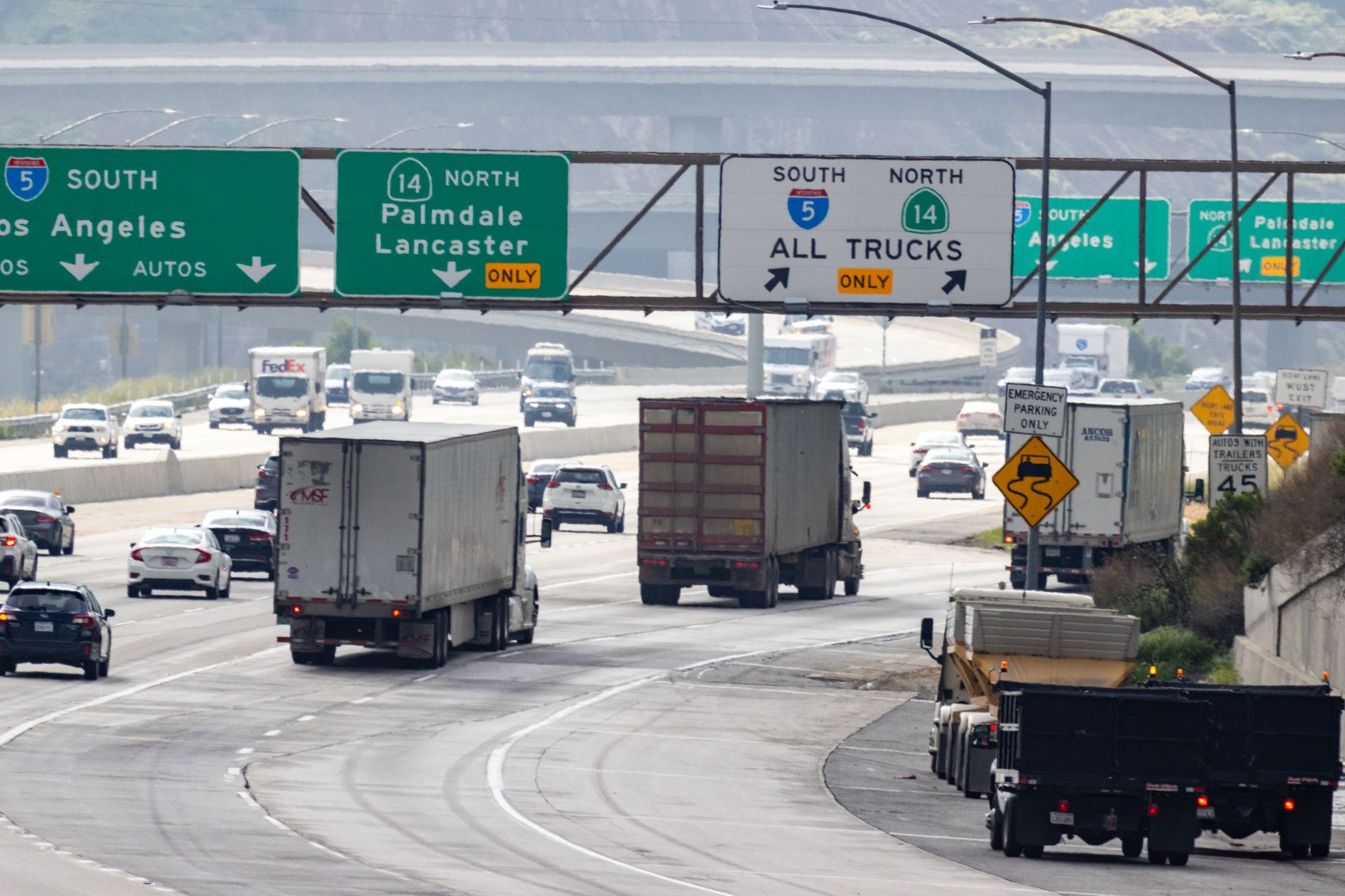
Professional truck drivers and owner-operators hauling freight across the country will soon see a major shift in the type of cargo rolling out of American automotive plants. As freight haulers prepare for a surge in EV-related shipments, logistics providers are already adjusting trailer capacities and specialized equipment to handle heavy battery packs and raw metals. CDL-A drivers securing these components need to stay informed on changing supply chain routes as assembly plants ramp up regional distribution. Trucking companies hiring for dedicated automotive lanes will demand specialized handling experience as these new manufacturing quotas take effect.
Industry Reaction
The aggressive rush into mining and raw material acquisition has drawn scrutiny from environmental watchdogs and human rights organizations regarding extraction practices. Incidents like the tragic Brumadinho dam collapse in Brazil underscore the severe reputational and ecological risks facing mining partners. Automakers are under mounting pressure to ensure their supply chains adhere to strict environmental standards while maintaining the massive material volumes required for ambitious sales targets. Industry analysts note that securing ethical and sustainable sources will prove just as critical to long-term success as negotiating purchase prices.
Key Points
- General Motors is pursuing an ownership stake in Vale’s base metals unit to secure nickel and copper for EV batteries.
- The automaker previously invested $650 million in Lithium Americas and $69 million in Queensland Pacific Metals.
- GM has committed to producing exclusively plug-in electric vehicles by 2035.
- New affordable models like the Chevy Equinox and Blazer EVs are slated to hit the market with starting prices between $30,000 and $45,000.
Looking for a better trucking job? US Trucker's free job-matching service connects CDL-A drivers, OTR drivers, regional drivers, and owner-operators with 500+ top US carriers. Leave your details in the form on this page and a recruiter will call you within one business day. Trucking companies are hiring now.
Photo by David Brown on Pexels