Washington, D.C. — A coalition of national retail and energy trade organizations formally petitioned the Federal Motor Carrier Safety Administration to amend and extend emergency hours-of-service exemptions to include petroleum transport drivers. The push comes as the agency prepares to let its long-running pandemic relief waiver expire, a move that trade groups warn could jeopardize the nation's energy distribution network and stall countless truck driver jobs tied to petroleum logistics. Led by organizations representing convenience stores, travel plazas, and independent petroleum marketers, the appeal targets the looming expiration date of May 31, 2021, while pushing regulators to formally classify fuel haulers under emergency regulatory relief for the duration of the public health crisis.
The nationwide hours-of-service waiver was originally launched in March 2000 to keep critical supply lines fluid during the height of the COVID-19 pandemic. While that exemption covered livestock, medical freight, vaccines, and groceries, fuel haulers remained excluded from the blanket relief. Signatories of the recent letter to Acting FMCSA Administrator Meera Joshi—including the National Association of Truckstop Operators, Energy Marketers of America, Society of Independent Gasoline Marketers of America, and the National Association of Convenience Stores—argue that excluding tanker operators ignores the fundamental reality of supply chain interdependency. Without uninterrupted access to diesel and gasoline, critical infrastructure grinds to a halt, affecting emergency response units, freight haulers, and first responders alike.
The petition emphasizes that pandemic-related disruptions have deeply wounded the labor pool for CDL-A holders qualified to haul hazardous materials. Training institutions continue to operate at a fraction of their normal capacity due to social distancing mandates and limited classroom seating. Consequently, CDL schools are pumping out thirty to forty percent fewer graduates than normal. Illness and mandatory quarantines among active drivers have compounded the squeeze, leaving tanker fleets severely understaffed just as consumer demand rebounds. Market analysts and media reports have warned of potential summer fuel shortages driven by this capacity crunch combined with panic buying at retail pumps.
What This Means for Drivers
For professional drivers and owner-operators currently pulling tank trailers, the debate over federal hours-of-service rules highlights the intense operational pressure facing the liquid bulk sector. Relaxed federal regulations allow fleets more flexibility to keep petroleum moving to retail stations, hospitals, and emergency services during supply chain crunches. However, the underlying labor shortage means existing drivers face relentless mileage demands, tight turnaround times, and heavy workloads. Trucking companies hiring hazardous materials specialists are struggling to fill seats, driving fleets to sweeten compensation packages to attract qualified talent in a competitive freight market.
Industry Reaction
While retail and energy groups lobby heavily for expanded federal exemptions, the broader trucking landscape remains deeply divided over the root causes of the labor deficit. Organizations like the Owner-Operator Independent Drivers Association have consistently pushed back against the official narrative of a driver shortage, arguing instead that low pay, high turnover, and poor working conditions are the real culprits. Regardless of the debate over industry demographics, petroleum transporters find themselves directly in the crosshairs of federal regulatory decisions that dictate how many hours they can legally spend behind the wheel each day.
Key Points
- National trade groups petitioned Acting FMCSA Administrator Meera Joshi to extend emergency hours-of-service waivers and include fuel haulers in the relief.
- The existing pandemic-era waiver was scheduled to expire on May 31, 2021, after multiple previous renewals.
- Commercial truck driving schools are graduating 30% to 40% fewer candidates due to pandemic-related classroom restrictions and social distancing mandates.
- Industry associations warn that uninhibited access to diesel and gasoline is vital for emergency vehicles, hospitals, and the broader supply chain.
Looking for a better trucking job? US Trucker's free job-matching service connects CDL-A drivers, OTR drivers, regional drivers, and owner-operators with 500+ top US carriers. Leave your details in the form on this page and a recruiter will call you within one business day. Trucking companies are hiring now.
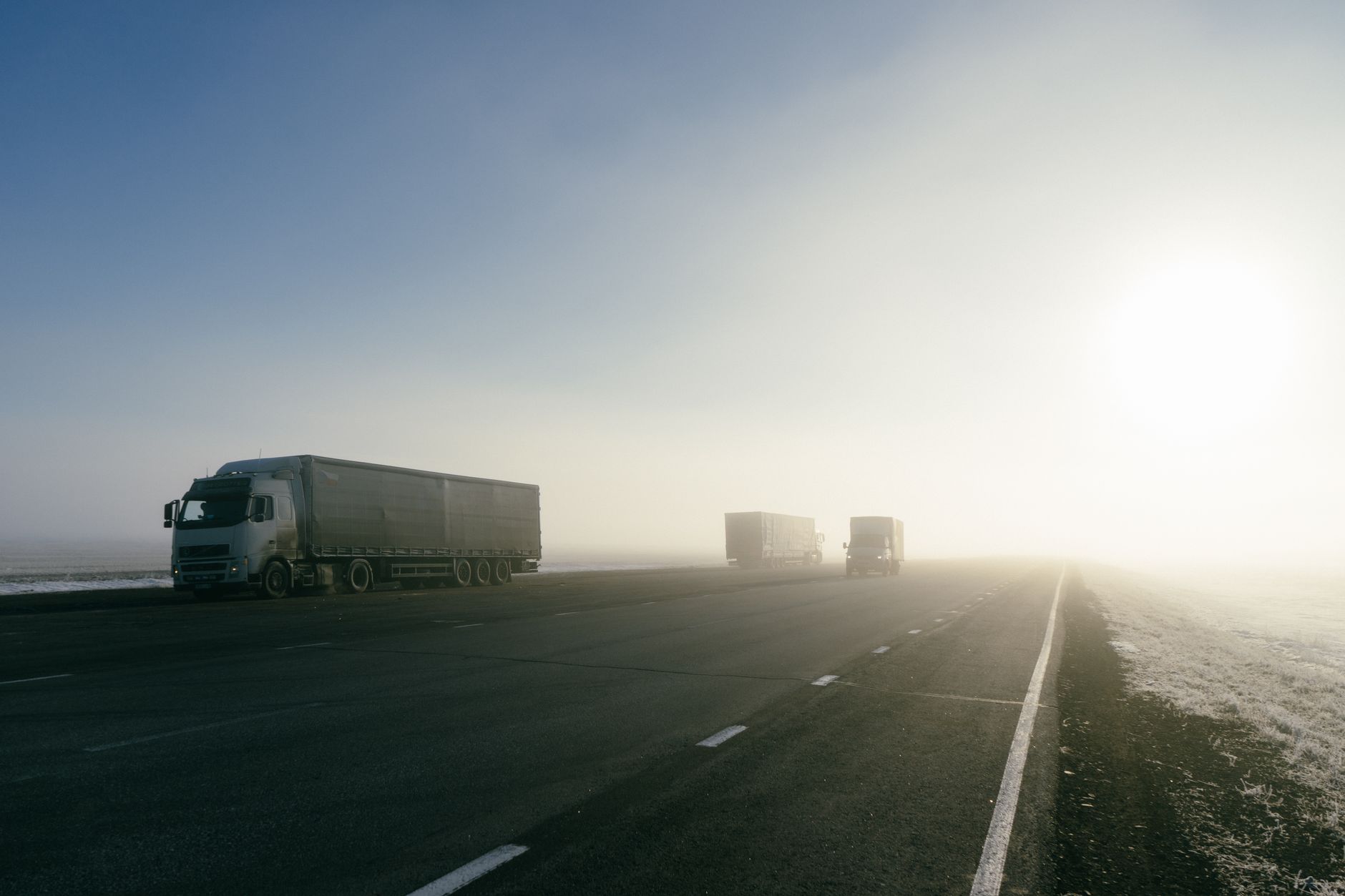
Photo by Daniil Ustinov on Pexels