BLOOMINGTON, IN — FTR Transportation Intelligence is shifting its focus to the second half of 2026, analyzing the recent stabilization of carrier conditions and the persistent influence of global geopolitical instability on domestic freight markets. The firm recently hosted a deep-dive session titled The State of Freight: Key Issues in Transportation to address how economic shifts, shifting tariff policies, and international conflicts are recalibrating the landscape for trucking companies hiring across the country.
The freight market has seen a notable improvement in carrier conditions throughout the first two quarters of 2026. While the volatility caused by previous tariff cycles has moderated, FTR CEO Jonathan Starks warns that the industry is far from clear of turbulence. The current climate forces owner-operator businesses and large fleets alike to decide if the recent tightening of capacity is a temporary reaction or a permanent transition into a new phase of the freight cycle. Starks emphasized that while geopolitical tensions like the conflict involving Iran have not yet paralyzed domestic supply chains, the resulting fluctuations in fuel prices and chemical market stability remain significant variables for long-haul operations.
Inflation expectations continue to play a major role in how shippers allocate their budgets and select carriers. Even with tariff pressures easing, the underlying policy landscape remains fluid, forcing fleet managers to remain conservative with their equipment investments and hiring plans. For the average CDL-A driver, this means that while the market is showing signs of recovery, the margin for error remains thin. Transportation planning for the remainder of 2026 will depend heavily on whether fuel costs remain stable or if secondary effects from global energy markets begin to erode the gains seen in carrier profitability earlier this year.
What This Means for Drivers
The current market stabilization suggests that carriers are becoming more selective, which often benefits the experienced professional seeking long-term stability. If you are an OTR truck driver, the current capacity trends indicate that your time behind the wheel is becoming more valuable as fleets struggle to maintain efficiency in a fluctuating economy. Owner-operator success through the end of 2026 will likely depend on monitoring fuel surcharges closely and staying informed on regional freight demand. Drivers who maintain a clean safety record and stay current on evolving FMCSA regulations are best positioned to leverage these market shifts for better pay and consistent miles.
Industry Reaction
The broader trucking industry is responding to these findings with cautious optimism. While some carriers are expanding their fleets in anticipation of a late-year surge, others are prioritizing the retention of veteran drivers to hedge against the uncertainty of global supply chain disruptions. Industry advocates suggest that the key to navigating the next six months is flexibility; companies that can adapt to changing energy costs and shifting freight lanes will be the ones that thrive as the 2026 market cycle matures.
Key Points
- Carrier conditions improved significantly during the first six months of 2026.
- Geopolitical risks, specifically involving Iran, continue to create ripple effects in energy and chemical supply chains.
- Tariff pressure has eased, but policy adjustments still impact business confidence and shipping decisions.
- The industry is currently debating whether capacity constraints will continue to drive truck rates for the remainder of the year.
Looking for a better trucking job? US Trucker's free job-matching service connects CDL-A drivers, OTR drivers, regional drivers, and owner-operators with 500+ top US carriers. Leave your details in the form on this page and a recruiter will call you within one business day. Trucking companies are hiring now.
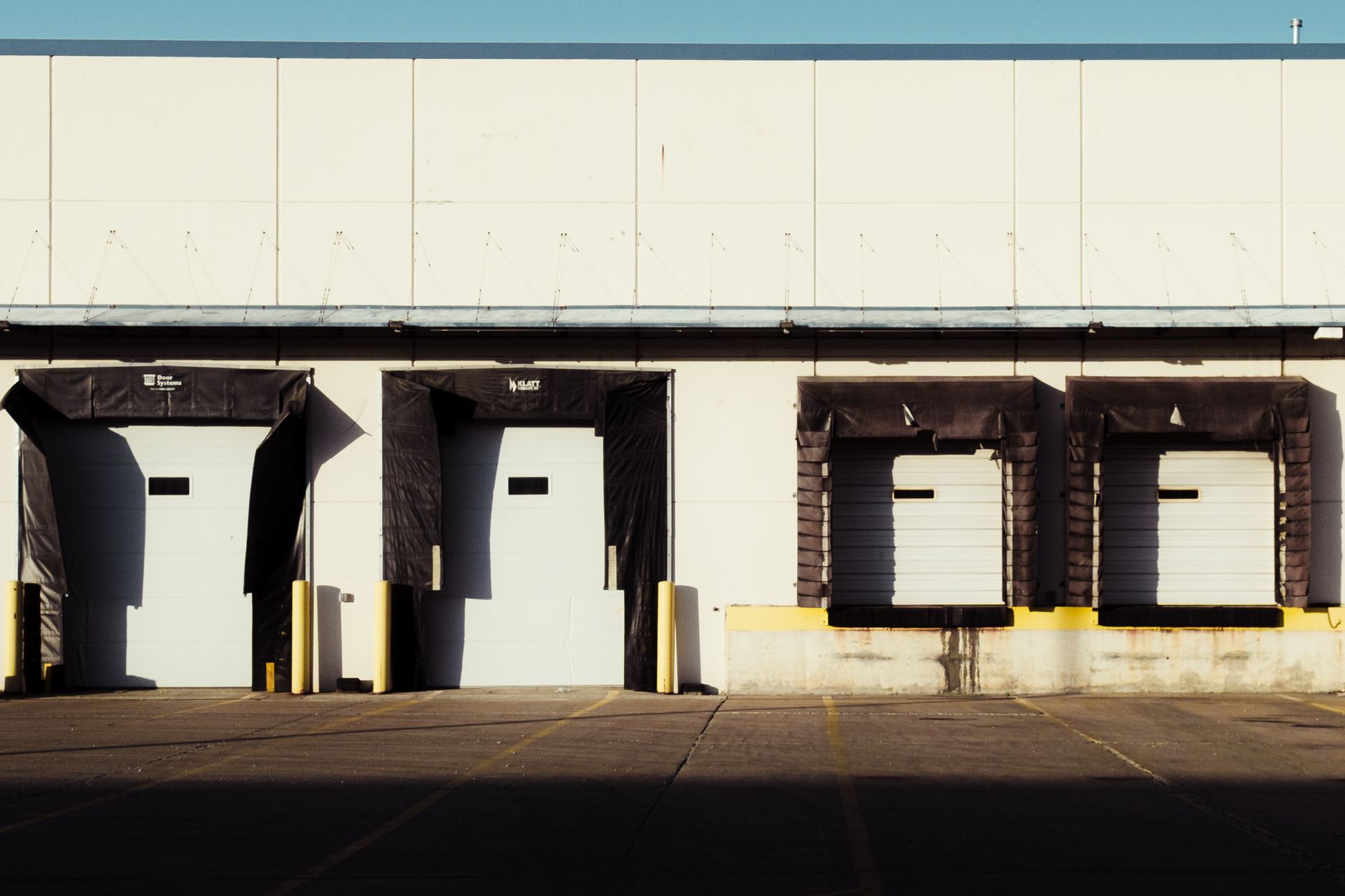
Photo by Matthew Jackson on Pexels