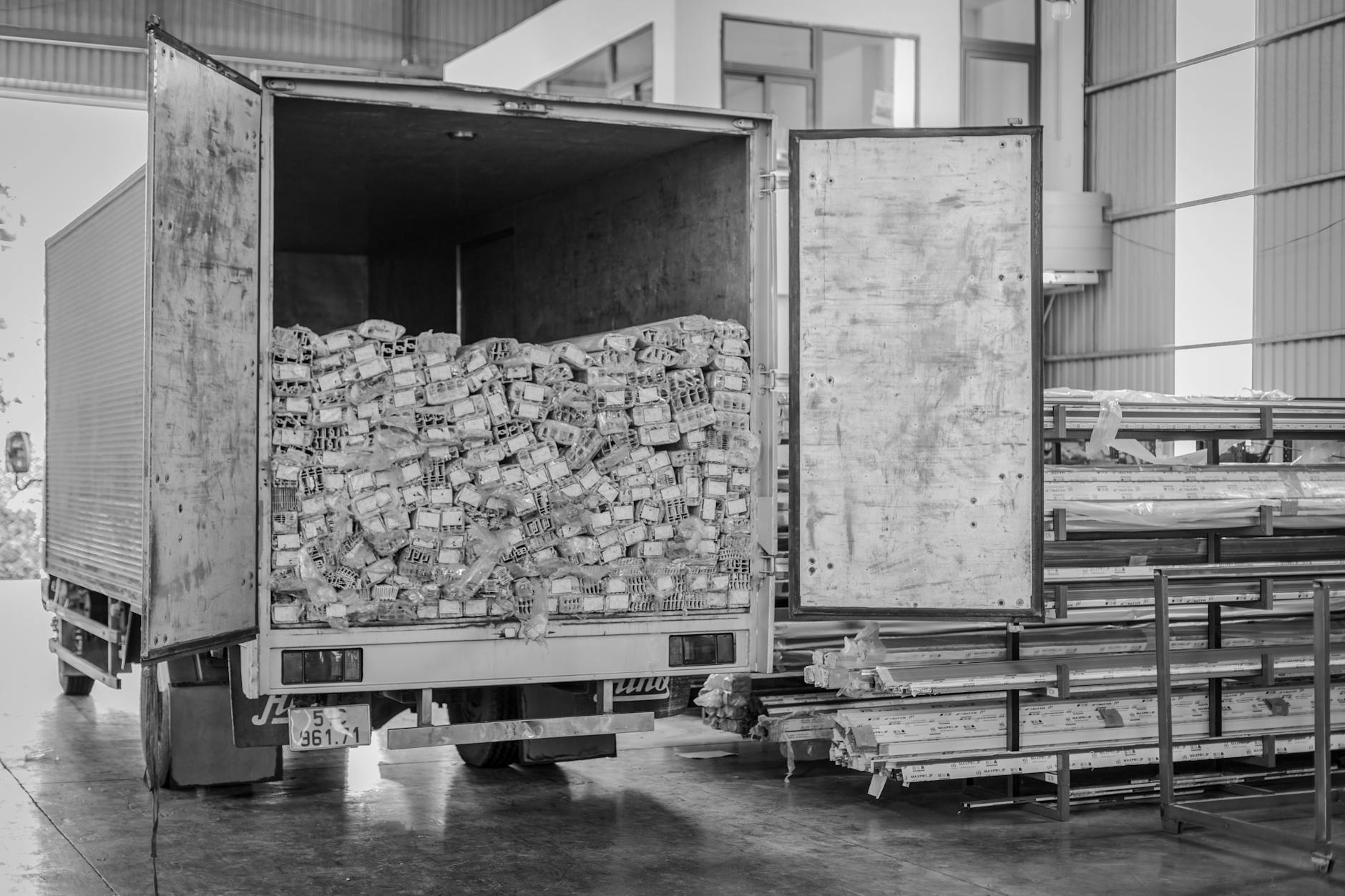
WASHINGTON, D.C. — The American supply chain stands on the shoulders of early trailblazers who transitioned from horse-drawn wagons to the first motorized carriages at the turn of the 20th century. While modern logistics relies on high-tech satellite tracking, the foundations of the profession were built by local delivery drivers who proved that motorized freight could reliably move goods through crowded city streets long before the interstate system existed.
Trucking shifted from a local utility to the backbone of national commerce during the 1930s and 1940s. Independent operators took to developing highway routes, often battling primitive road conditions to keep the country moving. This transition paved the way for the post-World War II economic explosion, where trucking companies like Schneider National and UPS rose to prominence, scaling operations to meet the massive demand for interstate freight transport. Malcom McLean changed the game forever by introducing containerization, a concept that streamlined shipping and remains the standard for global trade.
Technology has fundamentally altered the cab since the 1980s. The industry moved away from paper logs and paper maps toward a digital environment dominated by GPS navigation and electronic logging devices. These tools were designed to boost efficiency and ensure compliance with evolving FMCSA regulations, changing the daily routine for every OTR truck driver on the road. The grit required to haul freight decades ago remains the same, even as the equipment has evolved from early mechanical trucks to the sophisticated, computer-integrated rigs seen today.
What This Means for Drivers
Today’s CDL-A driver operates in an environment where historical efficiency meets modern digital oversight. Owner-operators must navigate a landscape where technology is not just an option but a requirement for staying competitive and compliant with federal mandates. Those entering the industry now benefit from the long-standing infrastructure established by the pioneers of the mid-20th century, though they must balance these legacy routes with modern load-matching technology. Finding the right fit among the many trucking companies hiring today requires understanding this balance between old-school reliability and new-school technical proficiency.
Industry Reaction
The industry continues to honor the legacy of early pioneers by prioritizing driver safety and professional development. While the tools of the trade have transitioned from mechanical gears to satellite-linked computers, the core mission of the profession remains unchanged. Major carriers and independent advocates alike emphasize that the history of trucking is a testament to the resilience of the driver, ensuring that the movement of goods remains the primary driver of the U.S. economy.
Key Points
- Early truck drivers were the first to move away from horse-drawn transport to motorized carriages.
- The 1930s and 1940s marked the birth of the long-haul industry as road infrastructure improved across the country.
- Malcom McLean’s containerization concept fundamentally reshaped how freight is handled globally.
- Modern trucking technology, including ELDs and GPS, has become a standard requirement for all professional drivers.
Looking for a better trucking job? US Trucker's free job-matching service connects CDL-A drivers, OTR drivers, regional drivers, and owner-operators with 500+ top US carriers. Leave your details in the form on this page and a recruiter will call you within one business day. Trucking companies are hiring now.
Photo by Thanh Ho Duy on Pexels