Chicago, Illinois — A new guide published on US Trucker outlines the exact steps a CDL‑A driver must take to transition into an owner‑operator role.
The trucking industry has long been dominated by company fleets, but mounting driver shortages and the lure of higher net pay are pushing more independents onto the open road. Shifting from a salaried seat to a self‑run business means taking on every cost, from fuel to maintenance, while gaining the freedom to choose lanes and schedules. For drivers eyeing OTR routes, the payoff can be significant if the transition is handled with discipline.
Released on September 9, 2026, the guide stresses that financial planning is the first hurdle. It advises drivers to audit savings, credit scores and financing options before signing for a truck, whether new or used. The document also flags FMCSA regulations, licensing requirements and the need for comprehensive insurance that covers both the vehicle and the business. By mapping out a budget that includes insurance premiums, fuel, tires and routine service, drivers can avoid cash‑flow surprises that often cripple new owner‑operators.
What This Means for Drivers
Owner‑operators must treat every mile as a profit‑center, tracking income against expenses in real time. A solid business plan that identifies target markets—such as refrigerated freight or flat‑bed loads—helps drivers secure steady contracts and avoid empty backhauls. Building relationships with brokers and shippers can shave days off load cycles, while a reliable mechanic reduces downtime caused by unexpected repairs. Financial discipline, including setting aside funds for quarterly taxes, protects drivers from the seasonal dips that affect many trucking companies hiring.
Industry Reaction
Industry analysts note that the surge in owner‑operator interest aligns with broader trends toward driver autonomy and flexible work arrangements. Carrier groups warn that a wave of inexperienced independents could strain insurance markets, but they also acknowledge that well‑prepared owner‑operators bring valuable capacity to tight lanes. Trade associations are urging new entrants to complete FMCSA compliance courses and to join mentorship programs that pair veterans with first‑time owners. The consensus is clear: success hinges on preparation, not just the desire to roll a rig solo.
Key Points
- Financial readiness, including credit checks and a detailed budget, is the foundation for any truck driver jobs transition.
- Choosing the right truck—fuel‑efficient, low‑maintenance, and suited to the intended freight—directly impacts profitability.
- Compliance with FMCSA regulations, proper licensing and robust insurance are non‑negotiable for owner‑operators.
- Networking with brokers, shippers and fellow OTR truck driver owners accelerates load acquisition and reduces deadhead miles.
Looking for a better trucking job? US Trucker's free job‑matching service connects CDL‑A drivers, OTR drivers, regional drivers, and owner‑operators with 500+ top US carriers. Leave your details in the form on this page and a recruiter will call you within one business day. Trucking companies are hiring now.
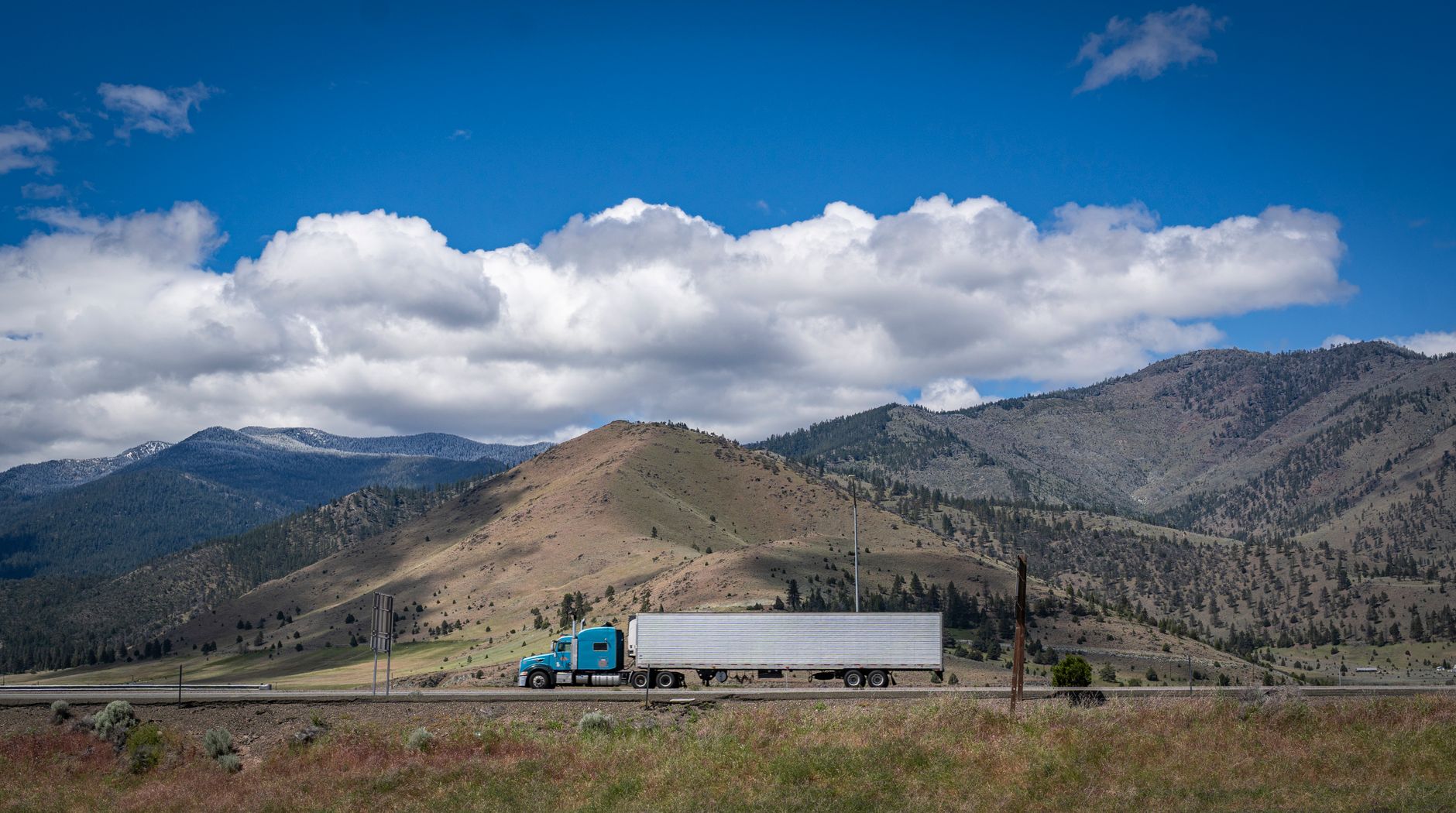
Photo by Laszlo Magyar on Pexels