Baltimore, Md. — The Federal Motor Carrier Safety Administration announced Tuesday that the emergency hours‑of‑service (HOS) exemption granted after the Francis Scott Key Bridge collapse will now run through May 8, extending the original two‑week relief by a full month.
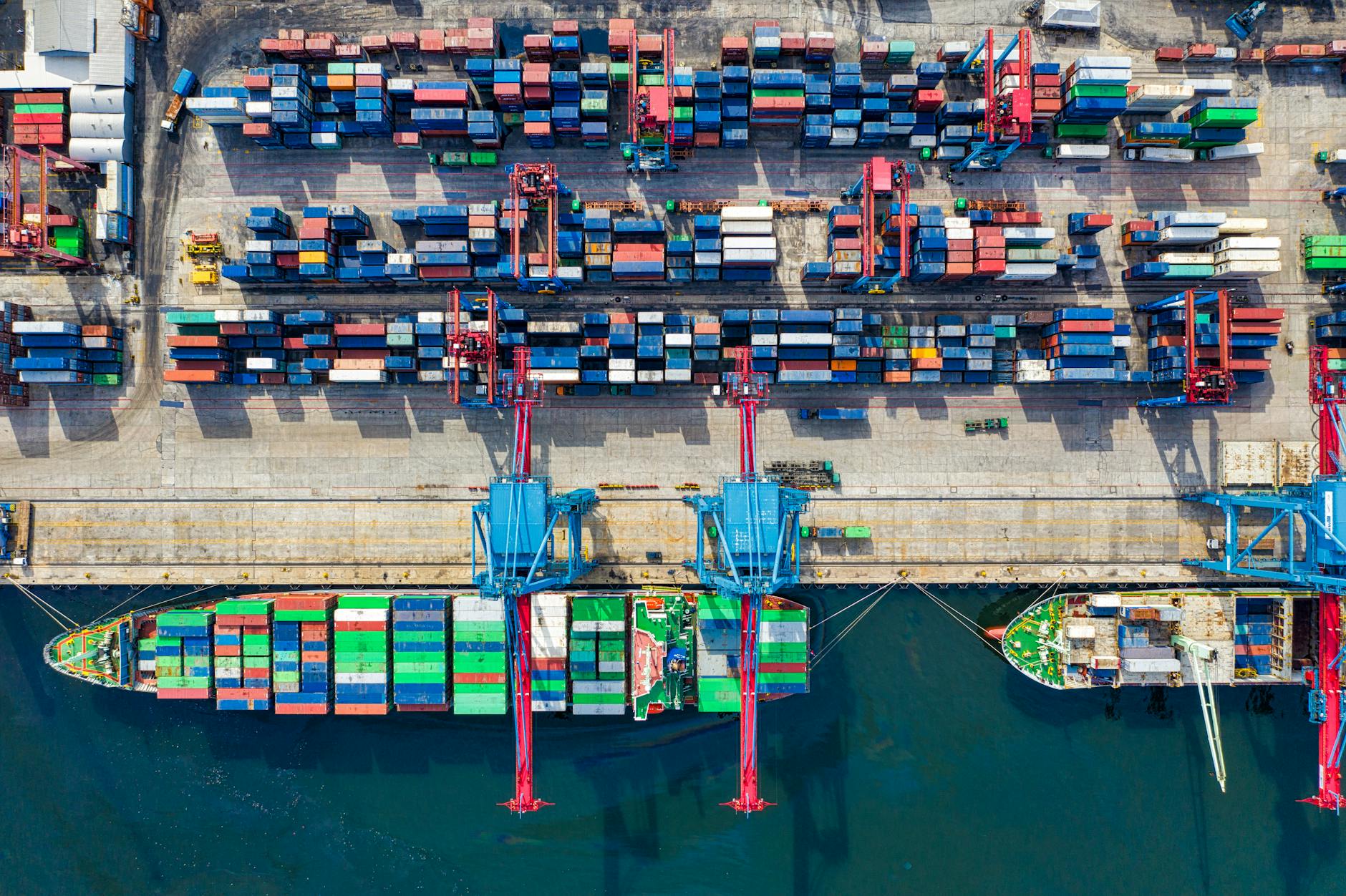
The collapse of the Key Bridge on March 26, caused by a container ship striking the structure, shut down the main artery to the Port of Baltimore. With vessel traffic halted and thousands of trucks stranded, the state declared an emergency to keep essential goods flowing. Trucking is the lifeline for the port’s intermodal network, and without a waiver on driving limits, many carriers would have been forced to stop, compounding the supply chain bottleneck.
Maryland Governor Wes Moore’s emergency declaration, filed on March 26, was slated to expire on April 8 under federal rules that cap such orders at two weeks. The Maryland Motor Truck Association, representing regional carriers, filed a joint request for an extension, arguing that “emergency conditions, including the sudden and significant disruption of distribution operations, have not abated.” FMCSA’s extension now covers three categories: transport needed to restore critical services at the Port of Baltimore, movement of cargo rerouted because vessels can no longer dock, and fuel deliveries—gasoline, ethanol, propane, natural gas and heating oil—from the Curtis Bay terminal to 12 Maryland counties, including Anne Arundel, Baltimore City, and Howard. The waiver lifts the daily driving ceiling set in 49 CFR 395.3, but it does not apply to long‑term reconstruction projects, routine commercial runs, or mixed loads that merely add a token amount of emergency cargo to qualify.
What This Means for Drivers
CDL‑A drivers and owner‑operators hauling qualified loads can now exceed the standard 11‑hour driving limit and the 14‑hour on‑duty window without triggering a HOS violation. Fleets must still maintain electronic logs and record the exemption on each trip, but they are free to keep trucks on the road longer to meet urgent demand. OTR truck driver routes that intersect Maryland can pick up fuel or cargo destined for the listed counties without worrying about mandatory rest periods imposed by FMCSA regulations. The relief also gives trucking companies a chance to re‑schedule crews, reducing deadhead miles and keeping revenue flowing while the port rebuilds.
Industry Reaction
The Maryland Motor Truck Association praised the FMCSA decision, saying the waiver “prevents a cascade of delays that would ripple through the East Coast supply chain.” Independent owner‑operators echoed the sentiment, noting that the ability to run longer shifts will help them secure higher‑pay freight while the market remains tight. Nationwide, trucking companies hiring now see the extension as a signal that regulators will act quickly when infrastructure failures threaten commerce, reinforcing confidence in FMCSA’s flexibility during crises.
Key Points
- FMCSA extends the emergency HOS exemption to May 8, 2026.
- Exemption applies to transport for port restoration, rerouted cargo, and fuel from Curtis Bay to 12 Maryland counties.
- Drivers are exempt from the 49 CFR 395.3 maximum driving time limits but must still keep accurate logs.
- Long‑term reconstruction, routine deliveries, and mixed loads with minimal emergency cargo are excluded.
Looking for a better trucking job? US Trucker's free job‑matching service connects CDL‑A drivers, OTR drivers, regional drivers, and owner‑operators with 500+ top US carriers. Leave your details in the form on this page and a recruiter will call you within one business day. Trucking companies are hiring now.