Tampa, Florida — Governor Ron DeSantis declared a state of emergency across Florida over the weekend, a direct response to the escalating threat of Tropical Storm Ian. The declaration signals the start of widespread logistical disruptions for the freight industry, particularly for fleets operating along the western coast and the Panhandle. The National Hurricane Center (NHC) has indicated that the storm is on a trajectory to pass through the Caribbean and make landfall in the middle of the week, forcing transportation logistics firms to halt non-essential movements.
\nThe operational uncertainty is heightened by the storm's rapid development. As of Sunday morning, September 25, 2022, Ian was a tropical storm with top sustained winds of 50 mph, located approximately 345 miles southeast of Grand Cayman. John Cangialosi, a senior hurricane specialist at the Miami-based NHC, noted that while the path remains fluid, the risk of severe wind and storm surge impacts is rising for western Cuba. The agency forecasts Ian will reach hurricane status by Sunday and potentially become a major hurricane by late Monday, a timeline that leaves very little room for last-minute route adjustments for long-haul carriers.
\nLocal fleet owners are already executing contingency plans to protect their assets and personnel. Jim Crume, who operates a small trucking company based in the Tampa Bay area, stated that he is preparing to pull his rigs from the roads as soon as forecasters confirm a specific landfall point. Crume emphasized that while the immediate priority is safety, the post-storm period will likely create a surge in demand for relief supplies. \"If we need to, we can help haul water or other things after the storm is over,\" Crume said, highlighting the dual role of regional carriers in both emergency response and routine freight.
\nWhat This Means for Drivers
\nFor CDL-A drivers and owner-operators with routes through central Florida, the next 48 hours will require constant monitoring of the NHC advisories. Fleet managers are likely to issue stand-down orders for any trucks currently in the state or headed toward the Panhandle, as the window for safe travel closes rapidly. Drivers should anticipate that their dispatchers will prioritize rerouting or parking in safe zones over maintaining standard delivery schedules. This situation underscores the importance of having a personal emergency plan, including stocked supplies, as power outages and road closures are highly probable in the storm's path.
\nIndustry Reaction
\nThe broader trucking industry is bracing for a repeat of the logistical bottlenecks seen in previous major hurricane events. While specific large carrier statements were not detailed in the immediate reports, the proactive stance taken by local owners like Crume reflects a standard industry protocol: safety first, logistics second. The NHC has advised all residents and travelers to stockpile supplies, a directive that will inevitably translate into a temporary spike in demand for fuel and essential goods in areas outside the storm's direct path. This surge can create unexpected opportunities for drivers who remain in operational areas, provided they adhere to FMCSA regulations regarding hours of service and vehicle safety.
\nKey Points
\n- Florida Governor Ron DeSantis declared a state of emergency as Tropical Storm Ian strengthened over the Caribbean.
- The National Hurricane Center forecasts Ian will become a major hurricane by late Monday, September 26, 2022.
- Local trucking companies, such as those in Tampa Bay, are preparing to remove vehicles from the roads ahead of landfall.
- Drivers and fleet managers are advised to monitor updates closely and prepare for potential post-storm relief transport needs.
Looking for a better trucking job?
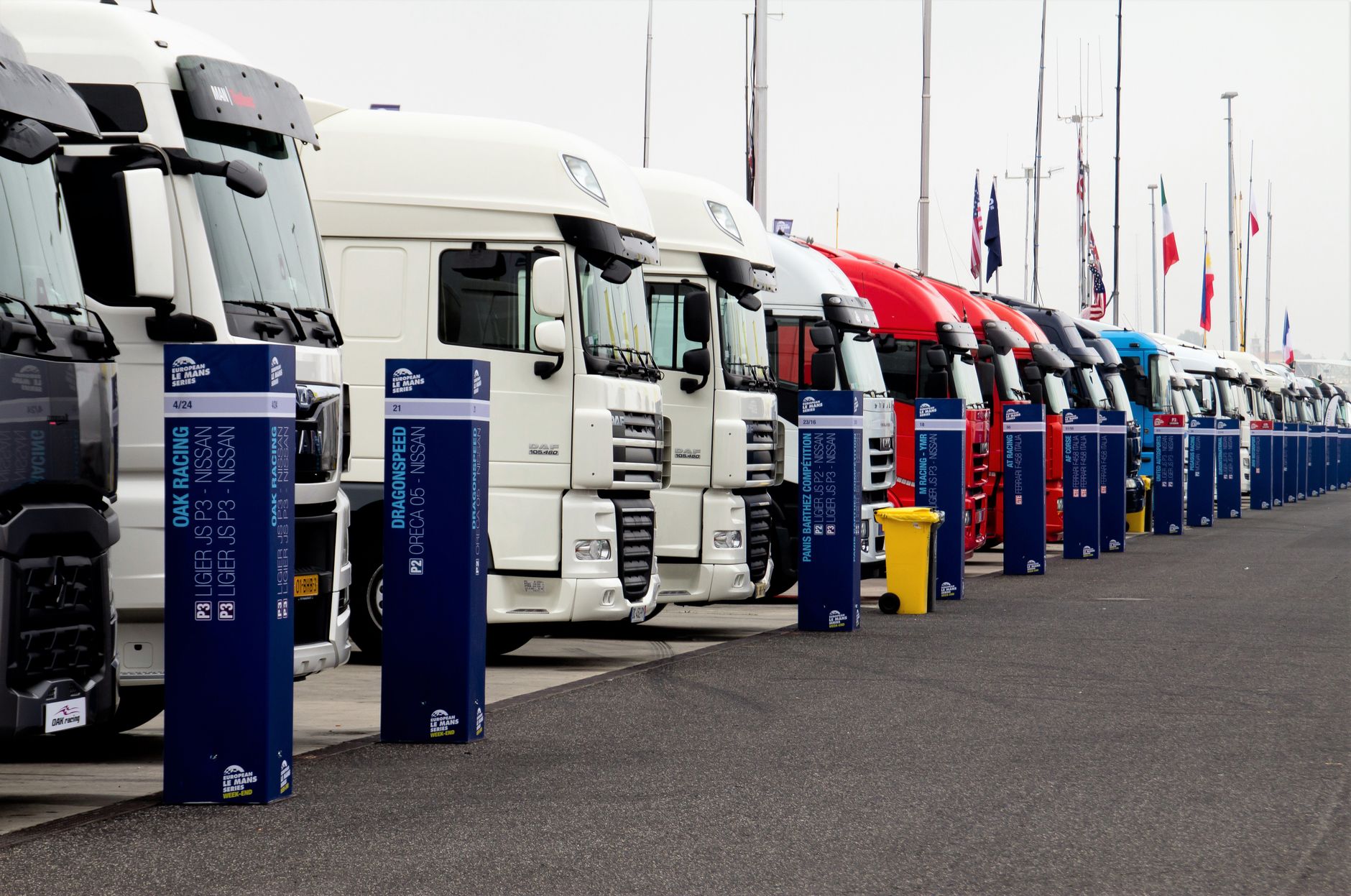
Photo by Carlos Sedano on Pexels